How to Source Products from China Without Getting Burned

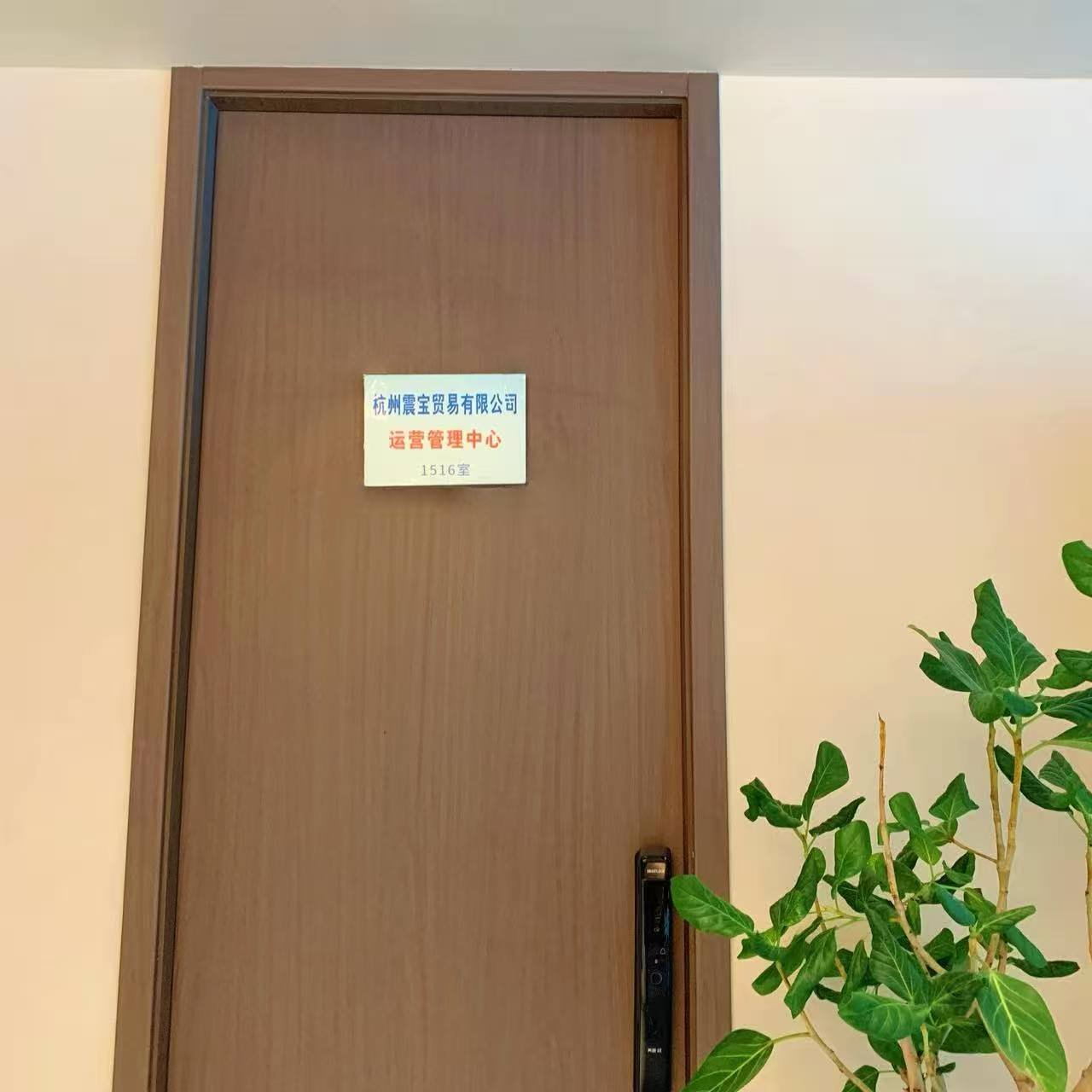
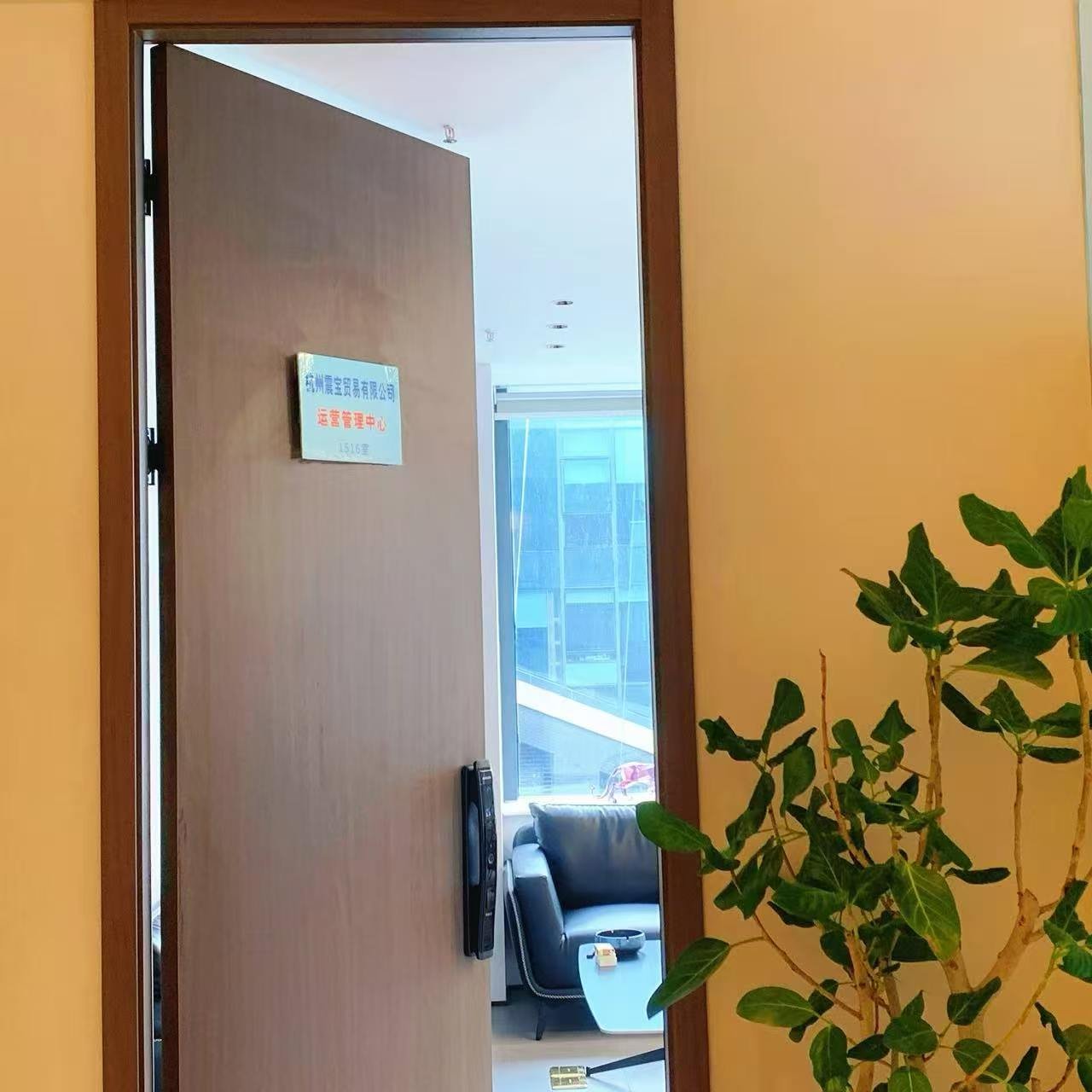
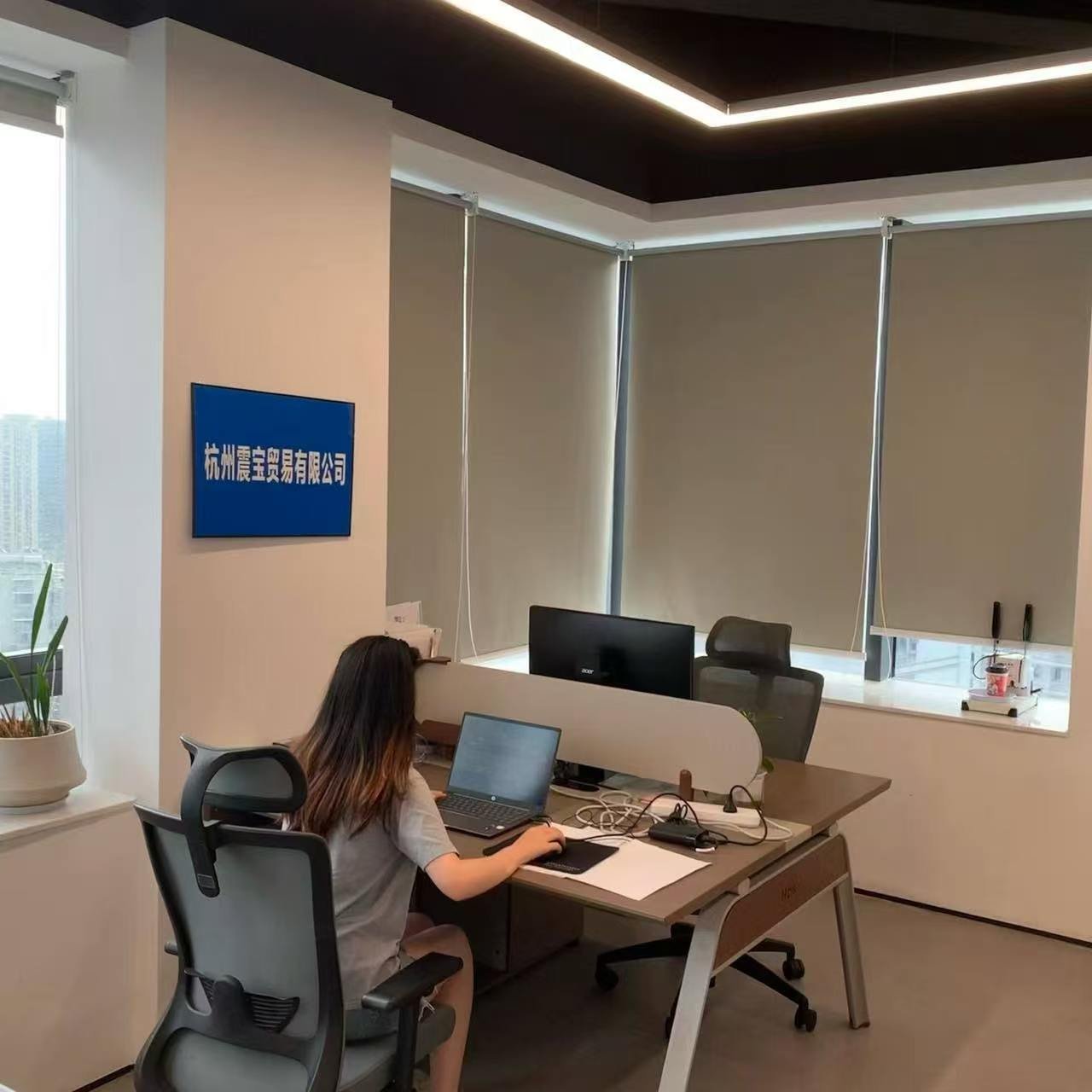
By Maggie Yue | Hangzhou Zhenbao Trading Co., Ltd.


Sourcing products from China can transform your business — lower costs, access to vast manufacturing capacity, and the ability to scale fast. But for every importer who builds a thriving supply chain, there’s another who gets burned: wrong products, missing shipments, frozen funds, and suppliers who disappear after payment.

The good news? Most of these disasters are avoidable. Here’s what you need to know before placing your first — or next — order from China.


1. Never Pay 100% Upfront to an Unknown Supplier

This is the number one mistake new importers make. You find a supplier on Alibaba, they offer a great price, you wire the full amount — and then nothing. Or worse, you receive goods that look nothing like the sample.

What to do instead:

  • For new suppliers, negotiate 30% deposit, 70% before shipment (after you’ve seen photos/video of the finished goods)
  • For large orders, consider using Letter of Credit (L/C) through your bank
  • Only move to 100% prepayment with suppliers you’ve worked with repeatedly and trust completely

2. Verify Your Supplier Before You Transfer a Single Dollar

Not every factory on a B2B platform is legitimate. Some are trading companies pretending to be manufacturers. Others are outright scams.

Basic verification steps:

  • Ask for their Business License (营业执照) and verify the company name matches
  • Request a video call tour of the factory — any real manufacturer will agree to this
  • Check their export history if possible (China customs data is publicly available)
  • Search the company name + “scam” or “complaint” online
  • Use platforms like Made-in-China.com or Global Sources, which have stricter verification than open marketplaces

3. Always Get a Sample Before Mass Production

No matter how good the product photos look, never skip the sample stage for a new product or supplier.

A sample tells you:

  • Whether the quality matches what was advertised
  • Whether the supplier can actually manufacture what they claim
  • Whether the specs are correct (size, weight, materials, certifications)

Pro tip: Pay for the sample — free samples are sometimes made with better materials than what goes into the bulk order. When you pay, you’re seeing what a real production unit looks like.


4. Be Specific About Your Requirements

Vague instructions lead to vague results. Chinese manufacturers will produce exactly what you ask for — no more, no less. If your purchase order says “good quality,” you’ll get the supplier’s definition of good quality, not yours.

Always specify:

  • Exact dimensions and tolerances
  • Material grade and specifications
  • Packaging requirements (retail-ready? bulk cartons? custom printing?)
  • Required certifications (CE, RoHS, FCC, etc.)
  • Inspection standards (AQL level, pass/fail criteria)

Put everything in writing. A detailed purchase order protects both you and the supplier.


5. Arrange Quality Inspection Before Shipment

Once goods are loaded on a container and shipped, it’s very hard — and expensive — to fix quality problems. The time to catch issues is before the goods leave China.

Options:

  • Third-party inspection companies (SGS, Bureau Veritas, QIMA) — they send an inspector to the factory before shipment
  • Your own agent on the ground in China — someone who can visit the factory, check the goods, and report back to you
  • Pre-shipment photos and video — minimum acceptable for smaller orders, but not a replacement for physical inspection on high-value shipments

At Zhenbao Trading, we conduct quality checks on behalf of our clients before every shipment. It’s one of the most important services we offer.


6. Understand Your Trade Terms (Incoterms)

FOB, CIF, DAP, DDP — these aren’t just letters. They define who pays for what, and who’s responsible when something goes wrong.

  • FOB (Free on Board): You arrange and pay for shipping from the Chinese port. You take responsibility once goods are on the vessel.
  • CIF (Cost, Insurance & Freight): Supplier arranges and pays for shipping and insurance to your destination port. You handle import customs.
  • DAP (Delivered at Place): Supplier delivers to your door. You still handle import duties.
  • DDP (Delivered Duty Paid): Supplier handles everything including import duties. Highest cost, lowest hassle.

Choose the right Incoterm for your situation. For beginners, CIF or DAP is often easier — you’re not responsible for arranging freight.


7. Work With a Trusted Sourcing Partner

If all of this sounds overwhelming, you’re not alone. Navigating Chinese manufacturers, negotiating prices, managing quality control, handling export documentation — it’s a full-time job.

That’s exactly why sourcing agents exist. A good China-based sourcing partner:

  • Knows which factories are reliable (and which ones to avoid)
  • Speaks the language and understands the culture
  • Can negotiate better prices because they buy regularly
  • Handles all documentation: Commercial Invoice, Packing List, Certificate of Origin, and more
  • Acts as your eyes and ears on the ground

Ready to Source Smarter?

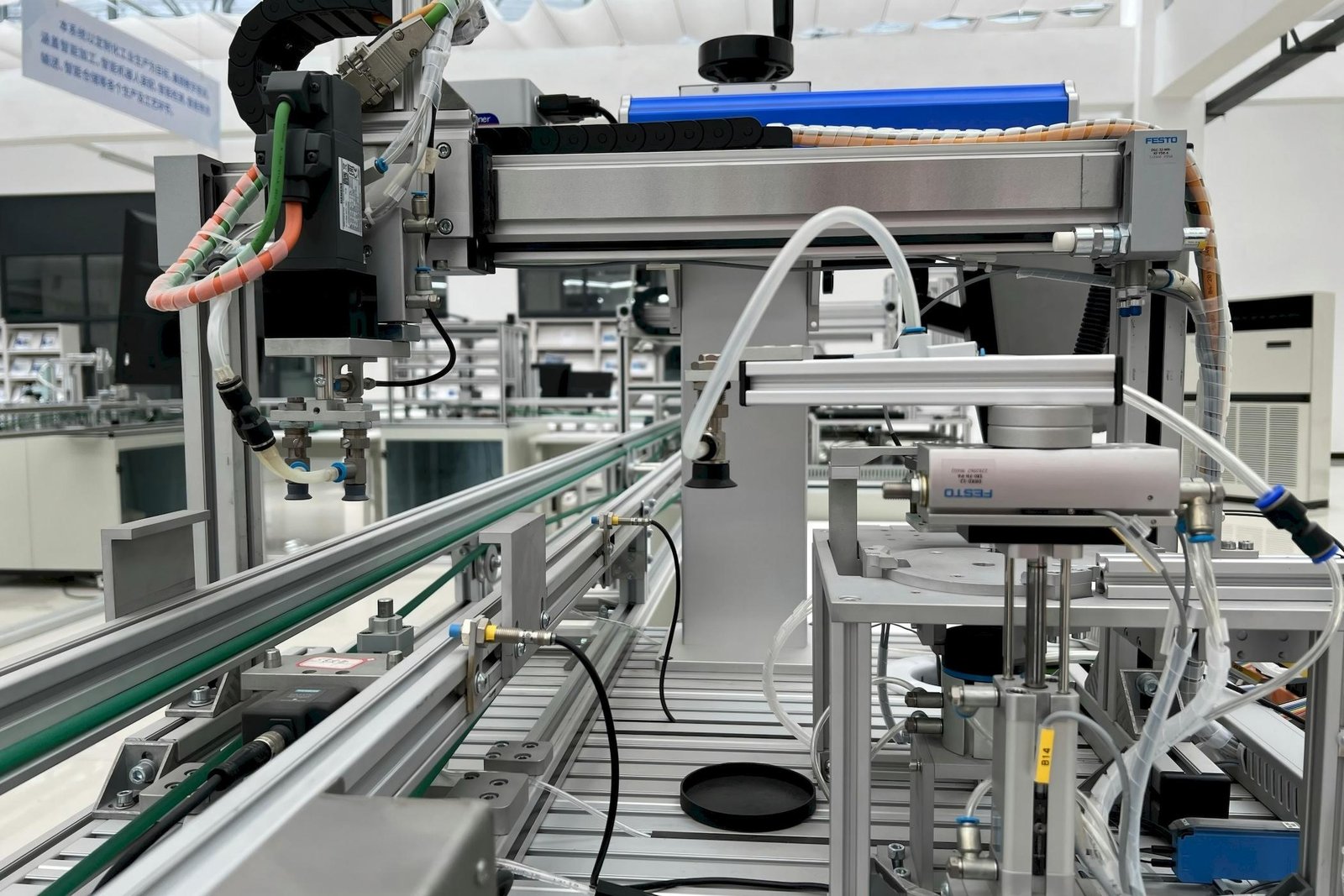
At Hangzhou Zhenbao Trading Co., Ltd., we’ve helped businesses across the IoT, robotics, and power tools industries source products from China — efficiently, safely, and at competitive prices.

Whether you have a specific product in mind or just want to explore what’s possible, we’re happy to start with a conversation.

📧 sales@zhenbaotrading.com 📱 WhatsApp/WeChat: +86 15872386392 🌐 www.zhenbaotrading.com

No minimum order to start talking.


Hangzhou Zhenbao Trading Co., Ltd. | Room 1516, Building 2, Yuanlun Building, No. 350 Qifei Road, Binjiang District, Hangzhou, China