Chinese Machinery Export Trends: What International Buyers Need to Know in 2026

The global industrial machinery market is experiencing a significant shift, with Chinese manufacturers establishing themselves as key players in the international supply chain. As we move through 2026, understanding current export trends is essential for B2B buyers sourcing machinery solutions. This analysis explores the market dynamics, technology advances, and opportunities that define China’s machinery export landscape.

The Growth Trajectory of Chinese Industrial Machinery

China’s industrial machinery sector continues its impressive expansion, with exports reaching record levels. According to recent trade data, Chinese machinery exports have grown at an average annual rate of 8-12% over the past three years. This growth is driven by several factors: competitive pricing, improved manufacturing capabilities, and a shift toward higher-value products. International buyers are increasingly recognizing Chinese machinery as a viable alternative to traditional Western suppliers. The competitive advantage lies not just in cost, but in the ability to deliver customized solutions quickly. Chinese manufacturers have invested heavily in automation and precision engineering, enabling them to meet international quality standards while maintaining favorable pricing structures.

Technology Innovation and

Quality Improvements One of the most notable trends in 2026 is the acceleration of technological advancement in Chinese machinery manufacturing. Manufacturers are integrating Industry 4.0 technologies, including IoT connectivity, AI-driven predictive maintenance, and real-time monitoring systems. This transformation positions Chinese suppliers as modern, sophisticated producers rather than low-cost alternatives. Quality certifications have become standard rather than exceptional. Most reputable Chinese machinery exporters now hold ISO certifications, CE marks, and sector-specific compliance credentials. This professionalization of the industry means buyers can source with confidence, knowing that products meet stringent international standards.

Strategic Sector Focus

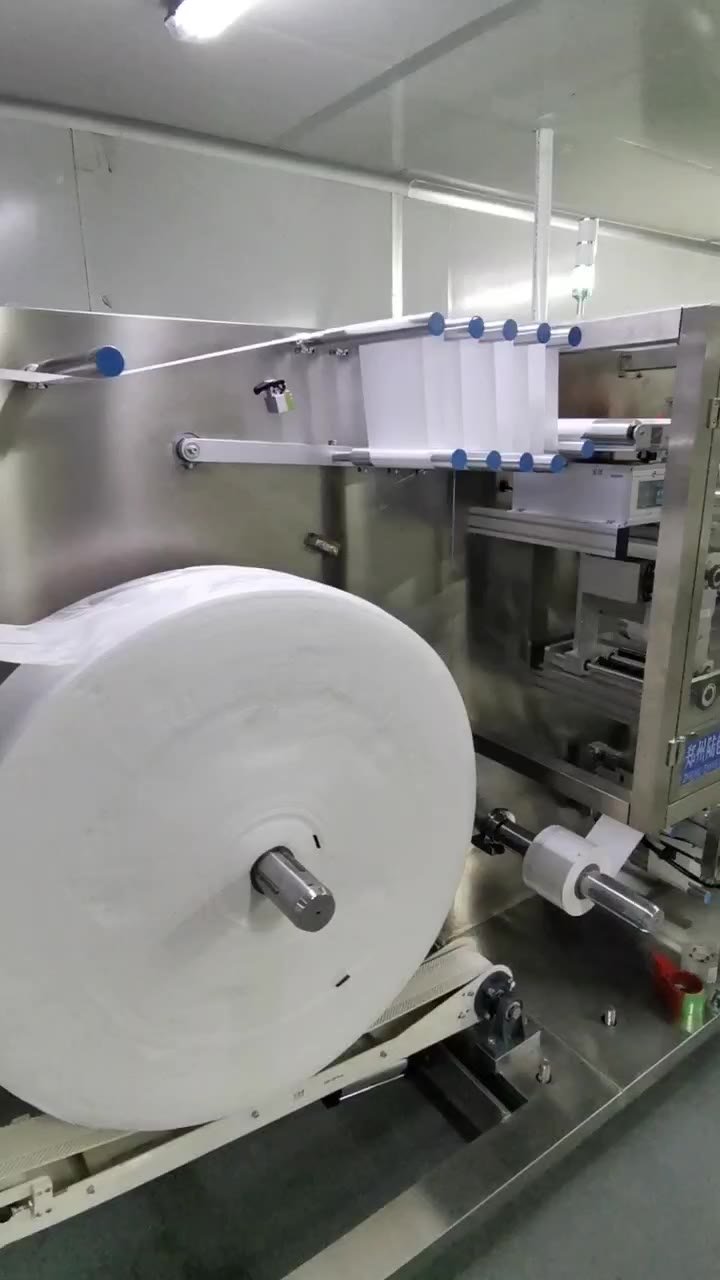
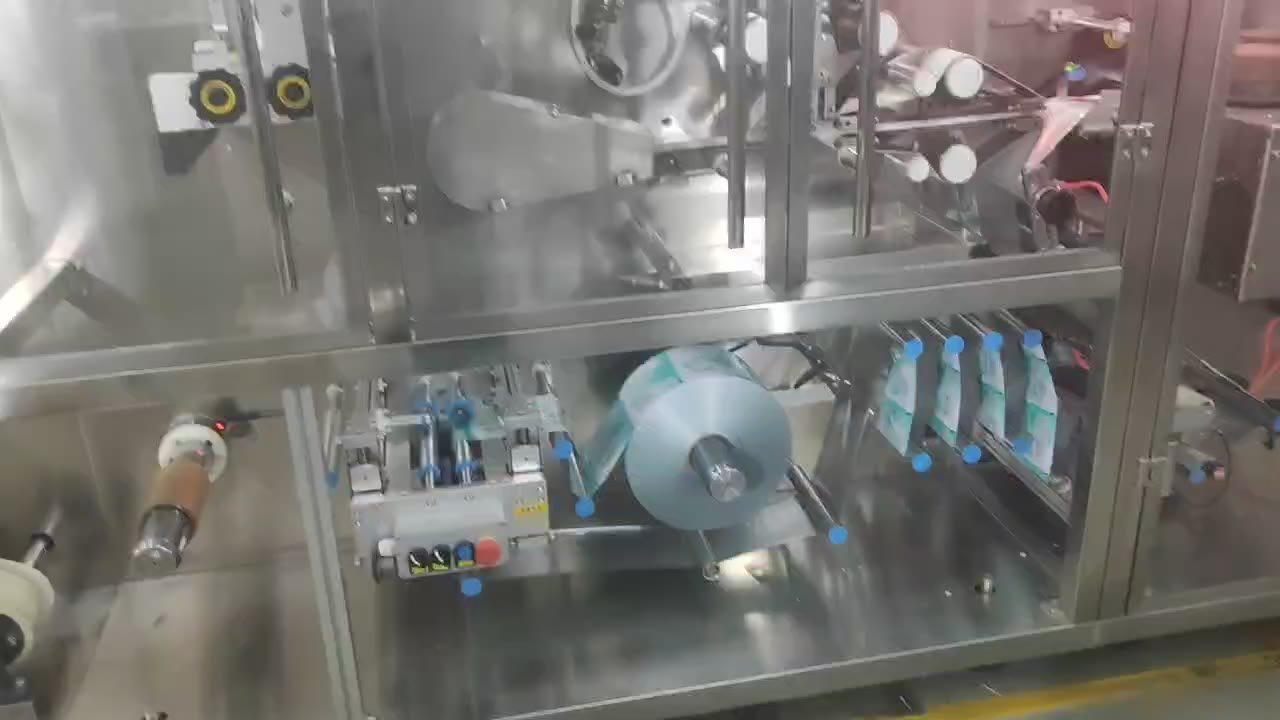
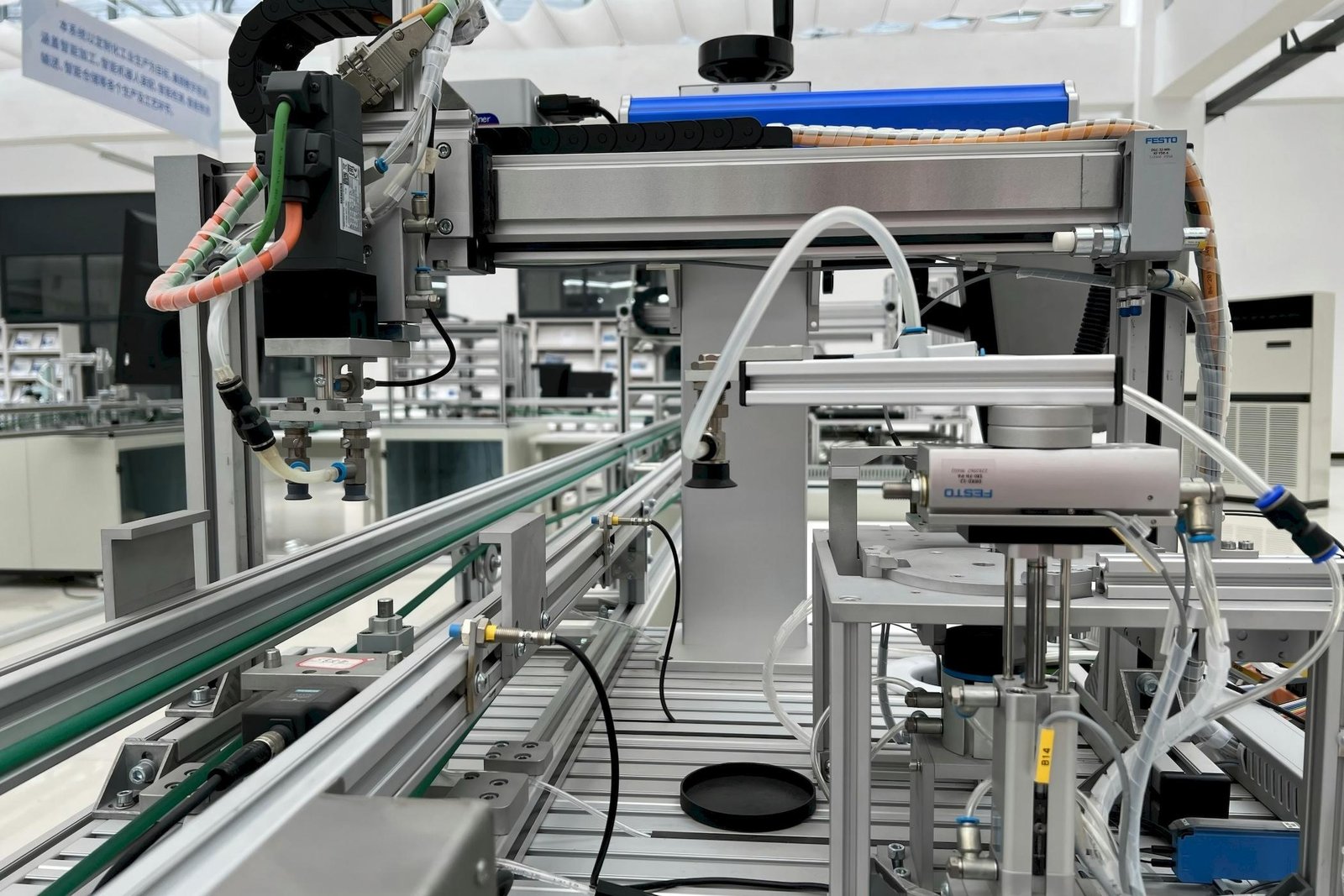
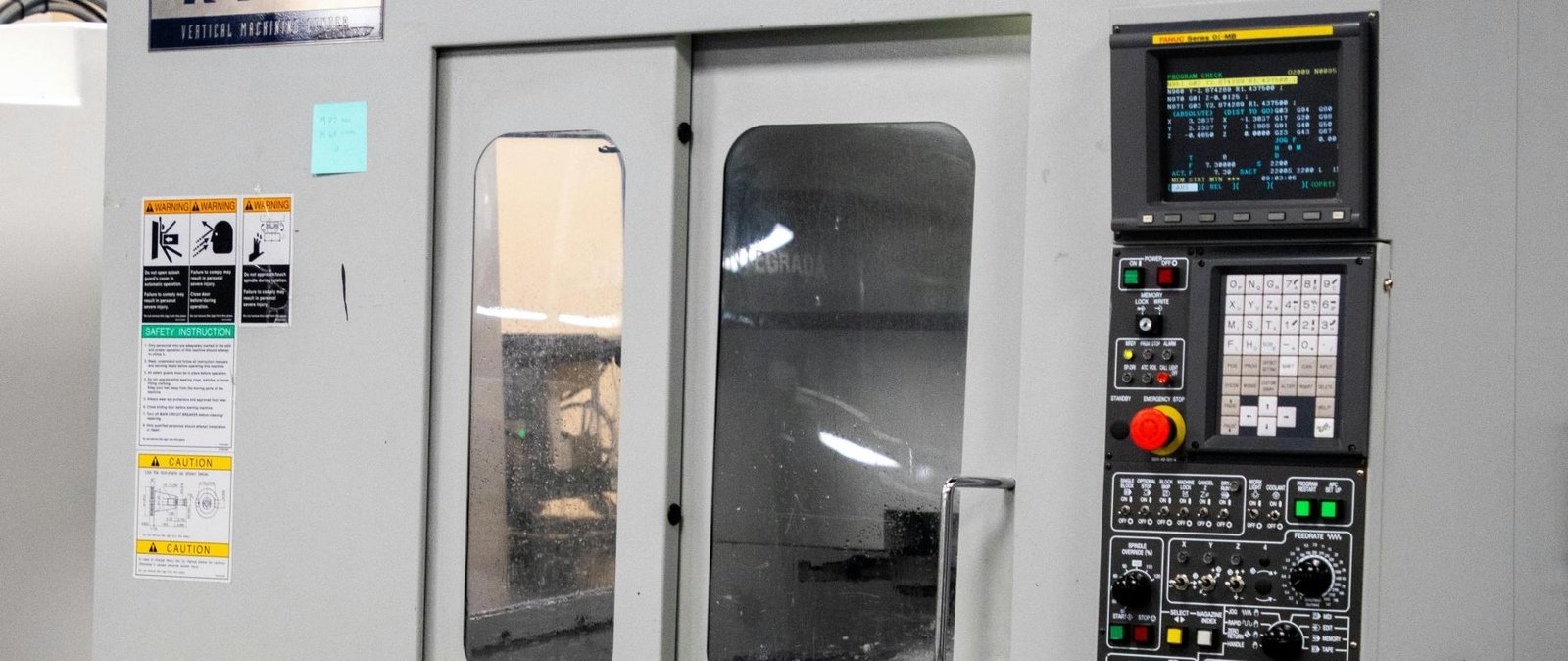
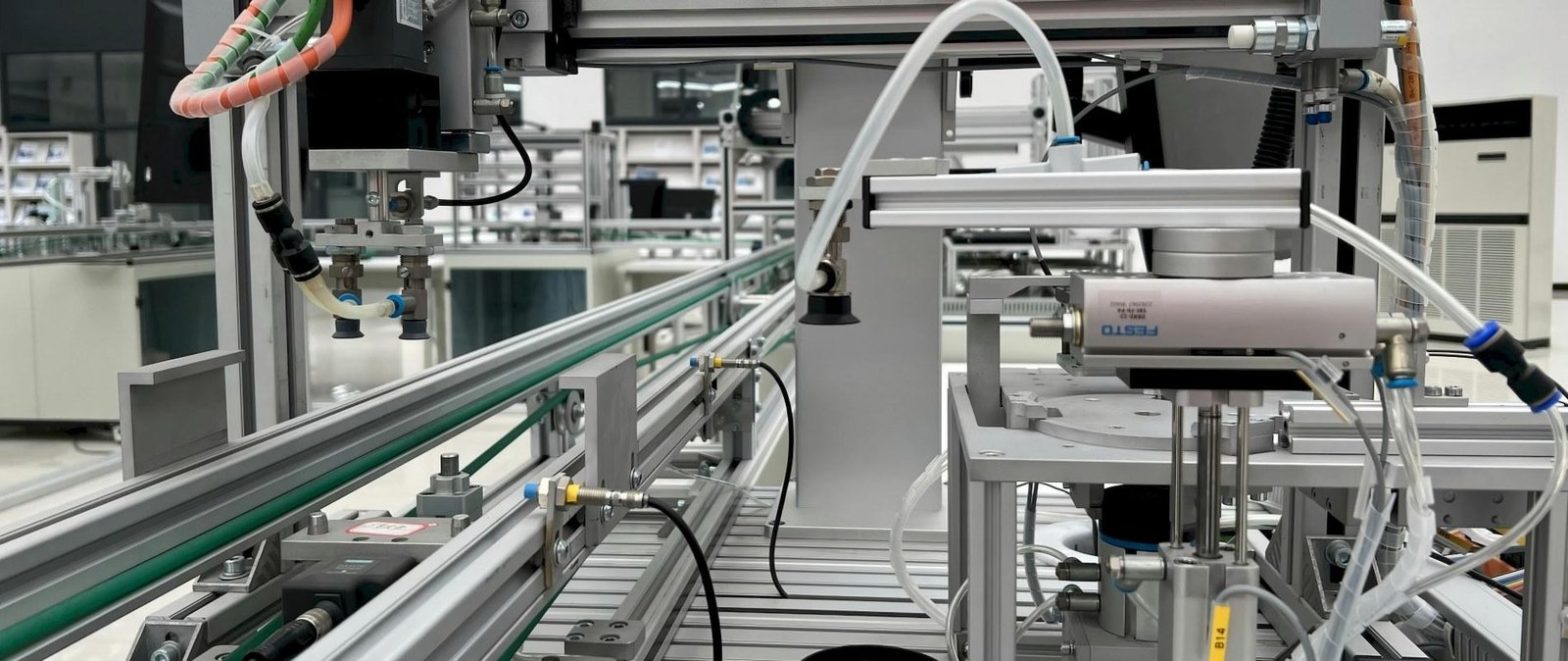
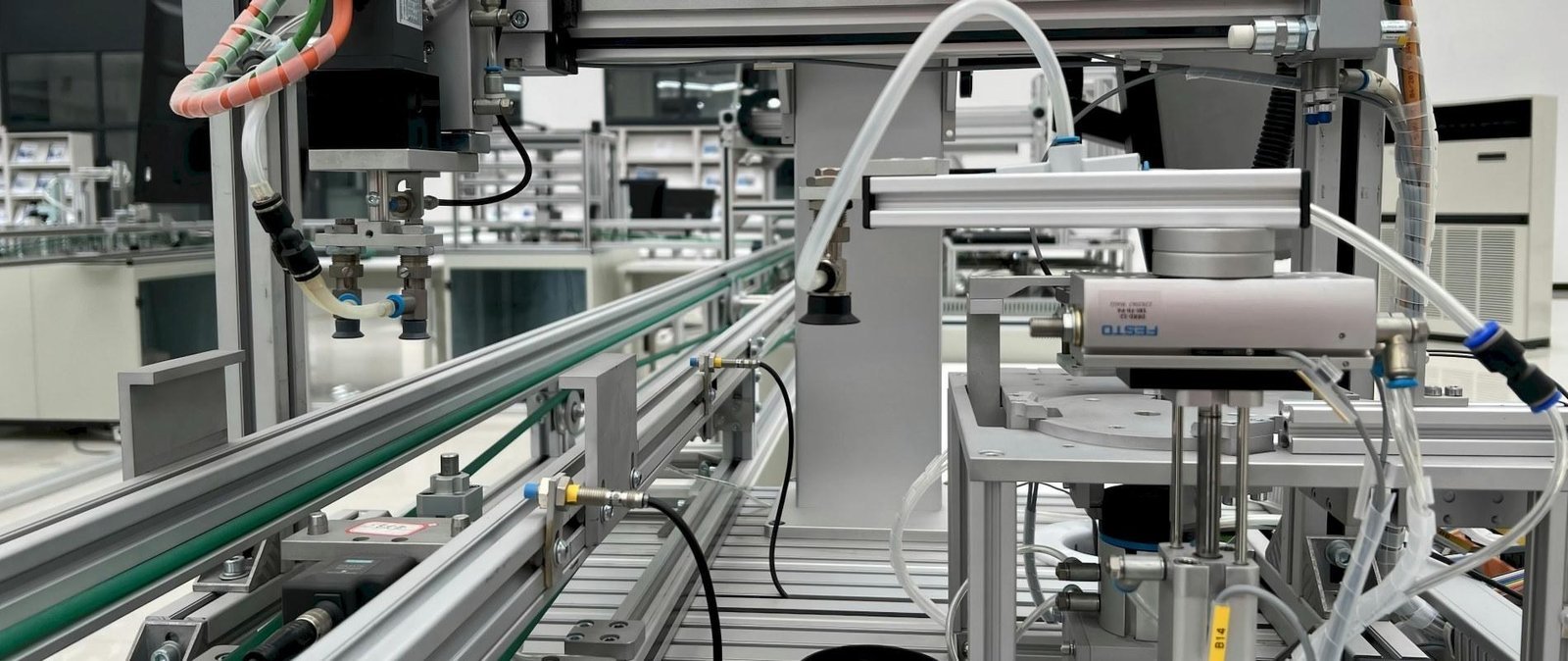
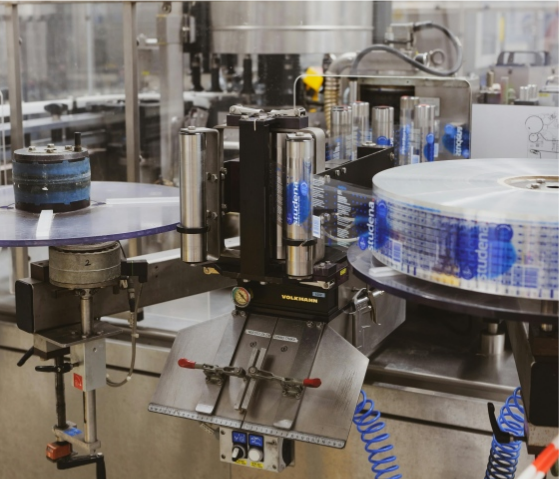
The machinery export market has become increasingly specialized. Chinese manufacturers are concentrating on specific sectors where they hold competitive advantages: Manufacturing and Processing Equipment remains dominant, with food processing machinery, packaging systems, and textile equipment leading exports. Construction Machinery continues strong demand, particularly in developing markets. Environmental and Recycling Equipment represents a growing segment as sustainability becomes a priority globally. Additionally, automation and robotics is an emerging area where Chinese companies are making significant strides, offering cost-effective solutions for small and medium-sized enterprises seeking to modernize operations.

Supply Chain Resilience and Lead Times

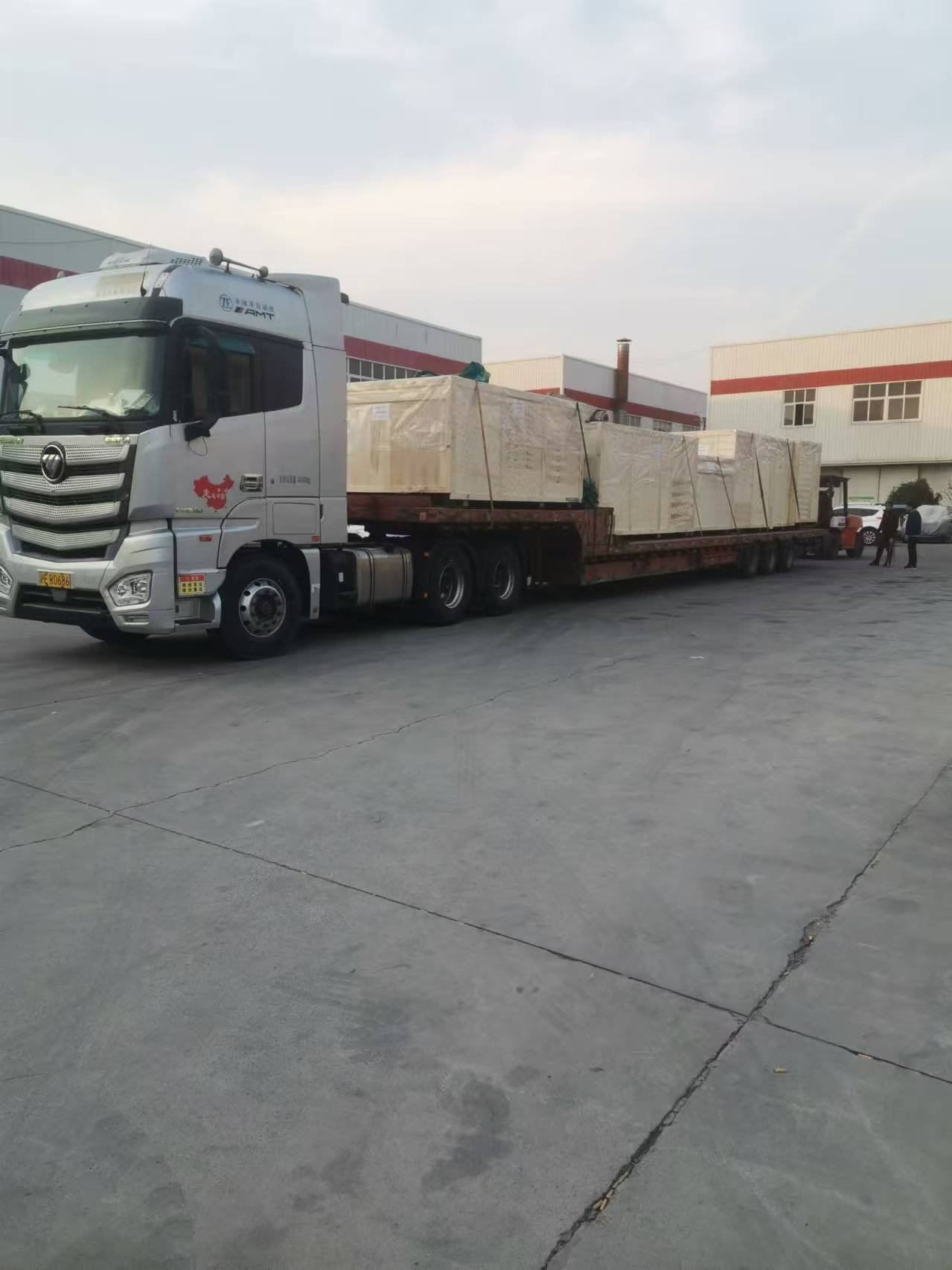
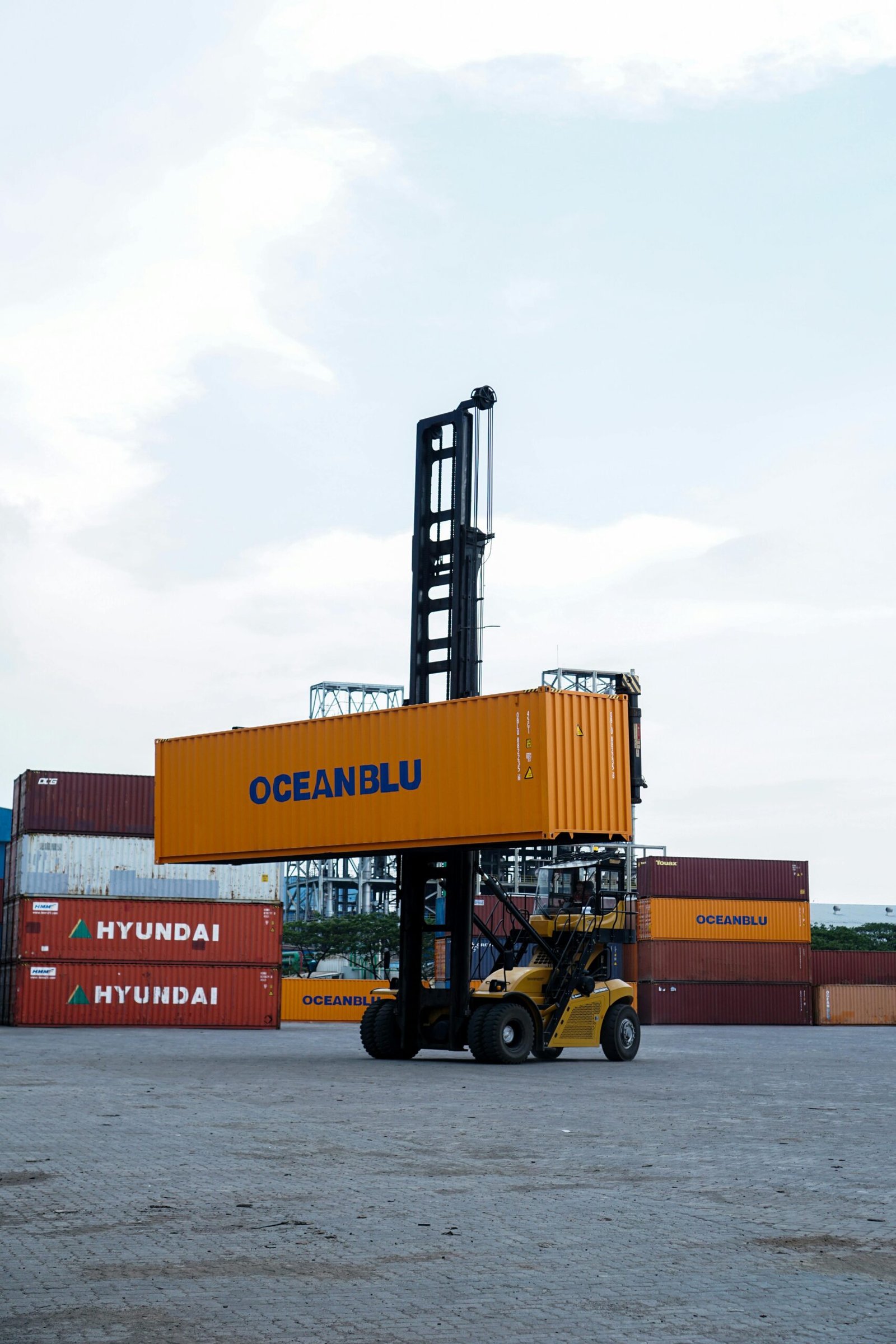
After recent global supply chain disruptions, both Chinese manufacturers and international buyers have become more strategic about sourcing relationships. Leading machinery exporters now offer more flexible ordering terms, faster lead times, and better inventory management. Direct partnerships with reputable suppliers reduce complications and ensure smoother transactions. The trend toward nearshoring and regional distribution hubs also benefits international buyers, as machinery can be delivered faster through es