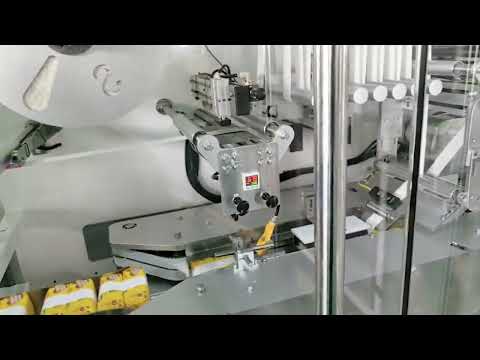
How to Evaluate Machine Quality Before Buying from China

As a B2B buyer considering machinery imports from China, quality assurance is paramount to your investment success. The Chinese manufacturing sector offers tremendous value, but proper evaluation protocols are essential to avoid costly mistakes. Here’s a comprehensive guide to assessing machine quality before making your purchase.

Verify Supplier Credentials

Begin by thoroughly vetting the supplier’s background. Check their business registration, certifications, and industry credentials through the National Enterprise Credit Information Publicity System (NECIPS). Request documentation of ISO certifications, production licenses, and compliance with relevant international standards. Legitimate manufacturers will gladly provide this information. Additionally, review their business history, client references, and reputation on trusted B2B platforms like Alibaba or Global Sources.

Examine Technical Specifications

Request detailed technical documentation including engineering drawings, material lists, and performance specifications. Compare these against your exact requirements and international standards. Pay particular attention to:

  • Power consumption and energy efficiency ratings
  • Precision tolerances and accuracy standards
  • Production capacity and speed metrics
  • Material composition and quality grades
  • Safety features and certification compliance

Don’t accept vague specifications. A reputable manufacturer will provide exact technical parameters that you can verify independently.

Conduct Pre-Production Inspections

Before manufacturing begins, request a detailed production plan and timeline. Visit the facility in person if possible, or hire a third-party inspection company to evaluate:

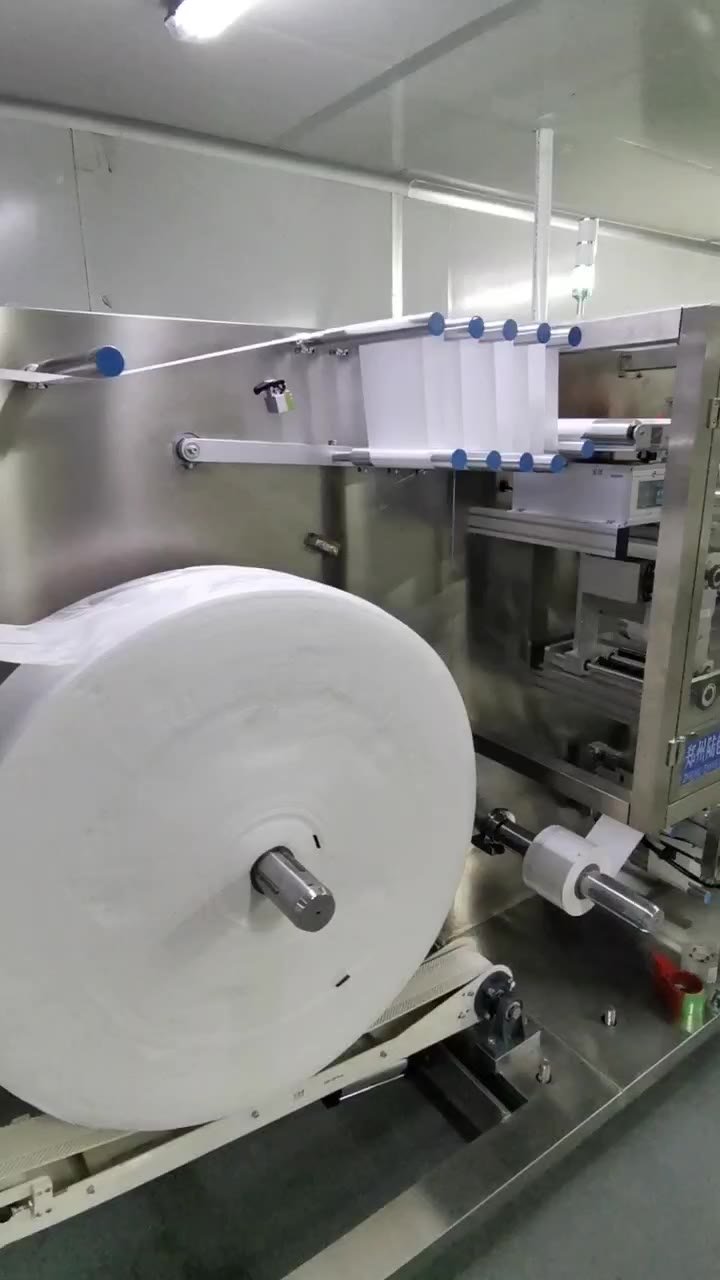
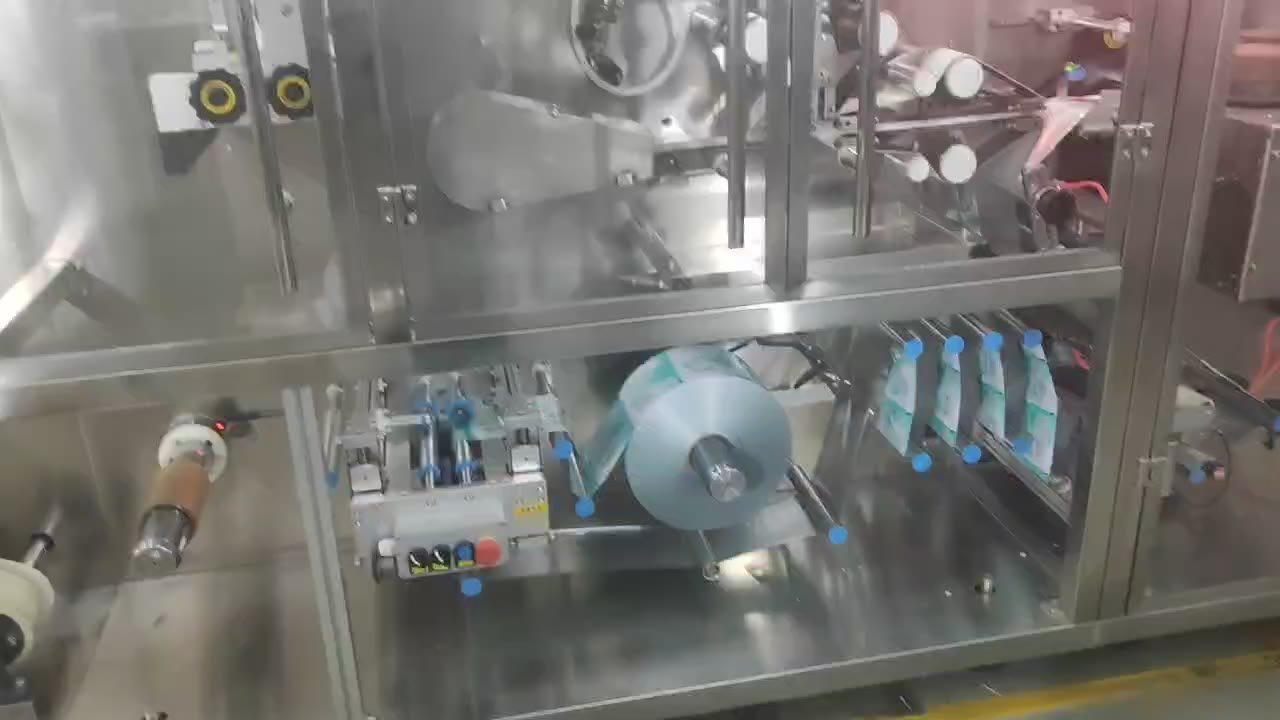
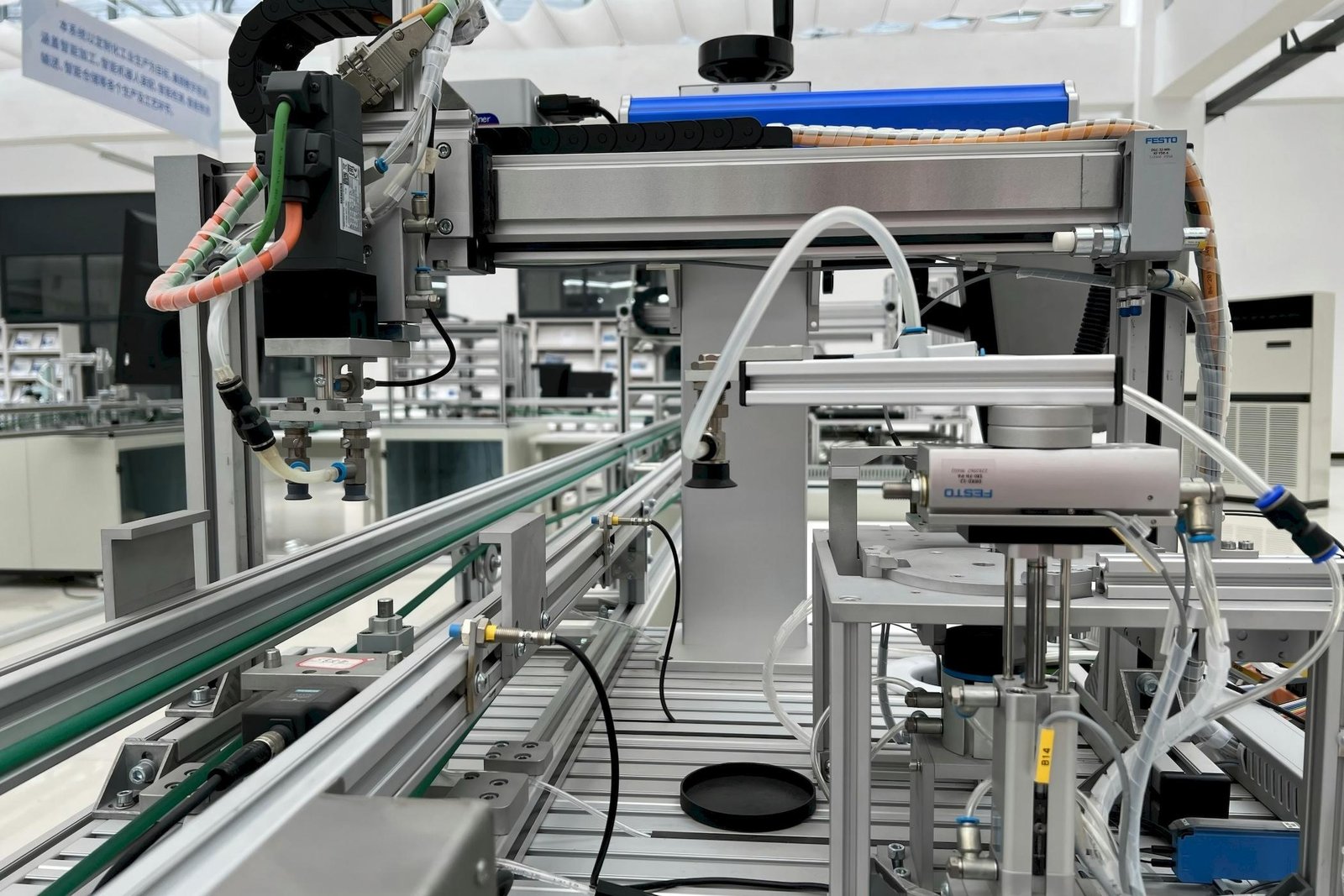
  • Manufacturing equipment and technology level
  • Worker training and quality control procedures
  • Raw material sourcing and quality standards
  • Production environment and safety protocols

This proactive approach identifies potential issues before investment in production.

Perform Quality Testing

Implement a comprehensive testing protocol for finished products:

Factory Testing: Witness performance tests at the manufacturing facility. Request certificates of test reports showing the machine operates within specified parameters.

Third-Party Inspection: Hire independent inspection agencies (such as SGS, Bureau Veritas, or TÜV) to conduct unbiased quality assessments before shipment. These inspections typically evaluate dimensional accuracy, functionality, material quality, and safety compliance.

Sample Testing: Request sample units or prototypes for your own testing before committing to bulk orders. This practical assessment is invaluable for identifying real-world performance issues.

Review Product Documentation

Ensure comprehensive documentation accompanies every machine:

  • Operation and maintenance manuals in your language
  • Parts lists with original component sourcing
  • Warranty terms and after-sales service provisions
  • Safety certifications and compliance declarations
  • Calibration and test certificates

Poor documentation often indicates lower quality manufacturers.

Establish Clear Quality Standards

Document specific quality requirements in your purchase agreement, including:

  • Acceptable defect rates and tolerances
  • Specific performance benchmarks
  • Warranty duration and coverage terms
  • Penalty clauses for non-compliance
  • Remediation procedures for defective units

Clear contractual language protects both parties and demonstrates mutual commitment to quality.

Evaluate After-Sales Support

Quality manufacturers provide genuine support beyond the sale. Assess their commitment to:

  • Technical assistance and troubleshooting
  • Replacement parts availability and pricing
  • Warranty claim processes
  • Equipment maintenance training
  • Future upgrade possibilities

Request Trial Periods

Whenever possible, negotiate trial or rental periods before final purchase. This allows genuine operational assessment in your specific environment before full financial commitment.

Conclusion

Evaluating machine quality from Chinese manufacturers requires systematic due diligence, but the effort protects your significant investment. Combine supplier verification, technical assessment, independent testing, and clear contractual terms to minimize risk. Remember that the cheapest option rarely offers the best value—prioritize quality, reliability, and comprehensive support. By implementing these evaluation strategies, you’ll confidently identify manufacturers capable of delivering reliable machinery that meets your operational requirements and protects your bottom line.