How to Handle Customs Clearance for Heavy Industrial Equipment: A Comprehensive Guide for B2B Importers

Importing heavy industrial equipment involves navigating complex regulatory requirements, substantial documentation, and technical specifications that demand expert attention. At Zhenbao Trading, we understand that delays in customs clearance can disrupt production schedules and impact your bottom line. This guide outlines the essential steps to streamline your customs clearance process.

Understanding HS Classification

The foundation of efficient customs clearance lies in accurate Harmonized System (HS) classification. Heavy industrial equipment spans multiple categories, each with different duty rates and regulatory requirements. Misclassification can result in penalties, shipment delays, or even confiscation.

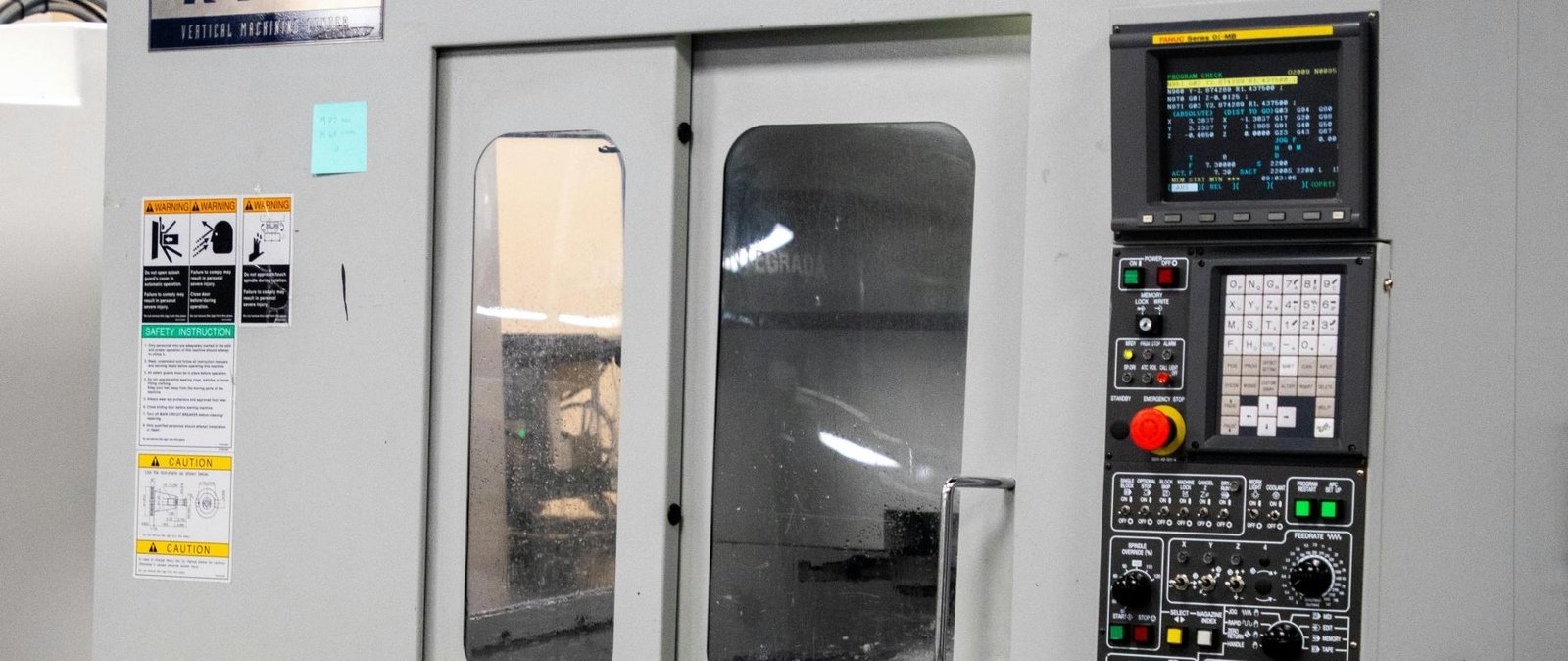
Work with customs brokers or classification specialists who understand your specific equipment. Whether you’re importing CNC machinery, hydraulic presses, or manufacturing systems, proper classification ensures you pay correct duties and avoid compliance issues. Request commodity codes from your supplier or consult the official tariff database of your destination country.

Preparing Comprehensive Documentation

Customs authorities require detailed documentation for heavy equipment. Essential documents include:

  • Commercial invoices with complete descriptions and specifications
  • Packing lists showing weight, dimensions, and container information
  • Bill of lading or airway bills
  • Technical specifications and drawings for complex machinery
  • Certificate of origin proving manufacturing country
  • Insurance documents
  • Import licenses (if required by your industry)

Incomplete or inconsistent documentation causes the most common delays. Ensure all documents use consistent descriptions—a mismatch between the invoice and packing list triggers automatic customs holds.

Engaging Professional Customs Brokers

While some companies attempt self-clearance, partnering with experienced customs brokers significantly reduces risks and processing time. Brokers understand local regulations, maintain relationships with customs officials, and know which documentation expedites clearance versus which documentation invites scrutiny.

For heavy industrial equipment specifically, brokers can:

  • Arrange pre-clearance consultations
  • Identify applicable duty deferrals or trade agreements
  • Manage temporary import bonds if needed
  • Prepare for technical inspections

Managing Technical Inspections

Many countries require physical inspections of industrial equipment. Schedule these inspections proactively rather than waiting for customs to request them. Inspectors verify that goods match documentation and assess safety standards compliance.

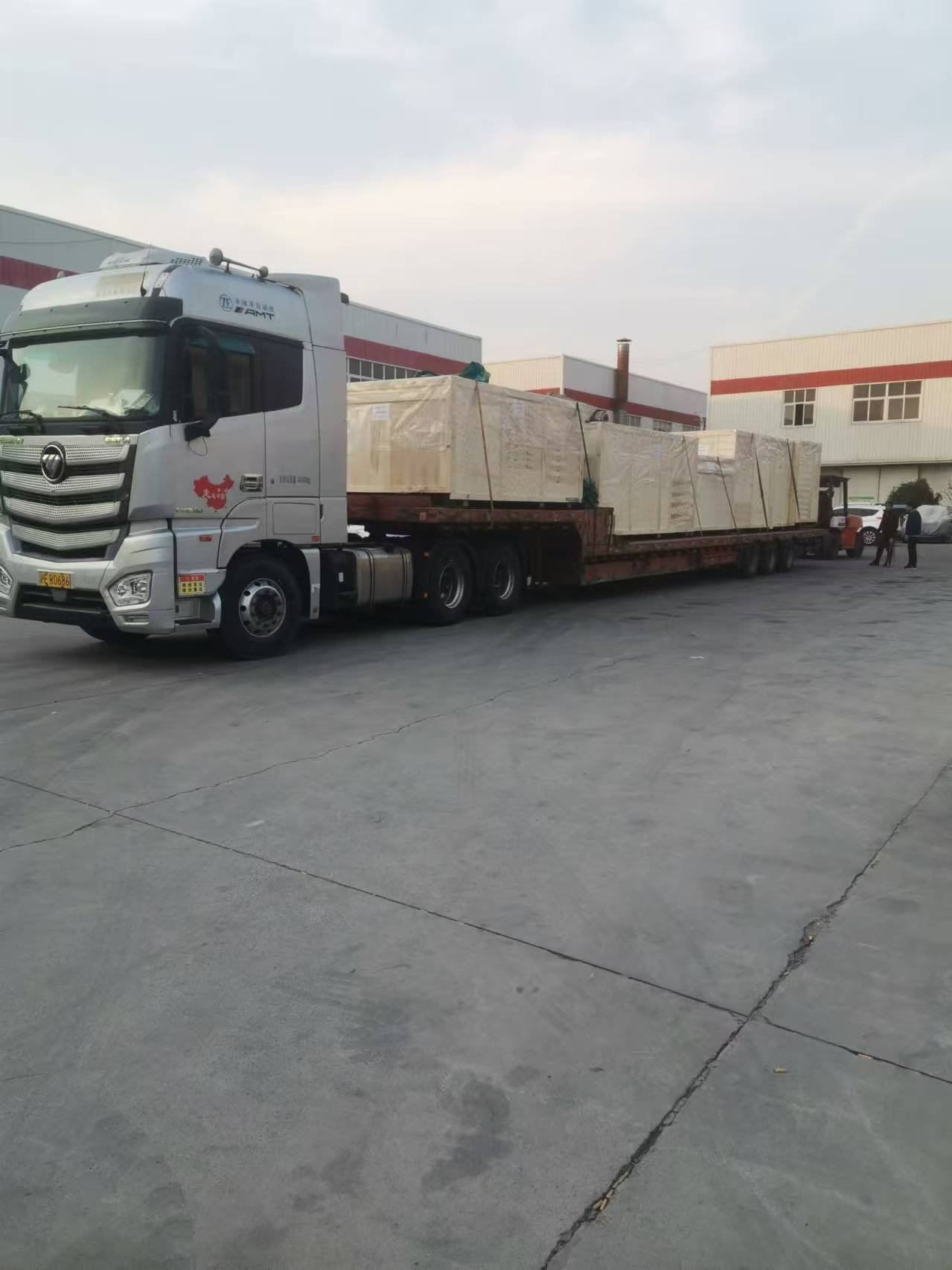
Prepare your equipment professionally. Ensure machinery is properly protected during shipping, as customs inspectors evaluate condition. Provide technical specifications on-site to facilitate inspector understanding. For specialized equipment, consider having a technician available during inspections.

Leveraging Trade Agreements

Verify whether your imports qualify for preferential duty treatment under trade agreements. Many countries offer reduced or eliminated tariffs for equipment imports under programs like:

  • Free Trade Agreements
  • Generalized System of Preferences (GSP)
  • Most Favored Nation (MFN) status

These benefits require proper documentation of origin and compliance with specific rules, but can generate substantial savings on large equipment purchases.

Planning for Timing and Costs

Budget adequate time for clearance—typically 3-14 days depending on destination country and inspection requirements. Heavy industrial equipment often requires specialized handling and storage, which incurs demurrage charges if customs processing extends beyond initial free time.

Factor in all costs: duty rates, brokerage fees, inspection fees, storage, and specialized handling. Accurate cost estimation prevents budget surprises and helps justify purchase decisions to stakeholders.

Staying Compliant with Regulations

Different countries enforce varying regulations regarding heavy equipment imports. Some jurisdictions require:

  • Environmental compliance certifications
  • Safety standard compliance (CE marking, UL certification)
  • Import permits from industry regulators
  • Restricted technology declarations

Research requirements well before shipment. Non-compliance at customs can result in expensive detention, re-export, or confiscation.

Conclusion

Successfully clearing heavy industrial equipment through customs demands meticulous attention to classification, documentation, and regulatory requirements. By partnering with experienced professionals, engaging customs brokers, and implementing proper procedures, you’ll minimize delays and costs while maintaining compliance. At Zhenbao Trading, we’re committed to supporting your imports through every customs challenge.