Gantry Machining Centers vs. Vertical Machining Centers: A Buyer’s Guide

When choosing a suitable machining center, manufacturing companies face numerous decisions. Gantry machining centers and vertical machining centers are two mainstream types of CNC machine tools, differing significantly in structure, application range, and cost-effectiveness. This article will provide a detailed comparison of the characteristics of these two machine tools to help buyers make informed investment decisions.

Structural Design and Working Principle

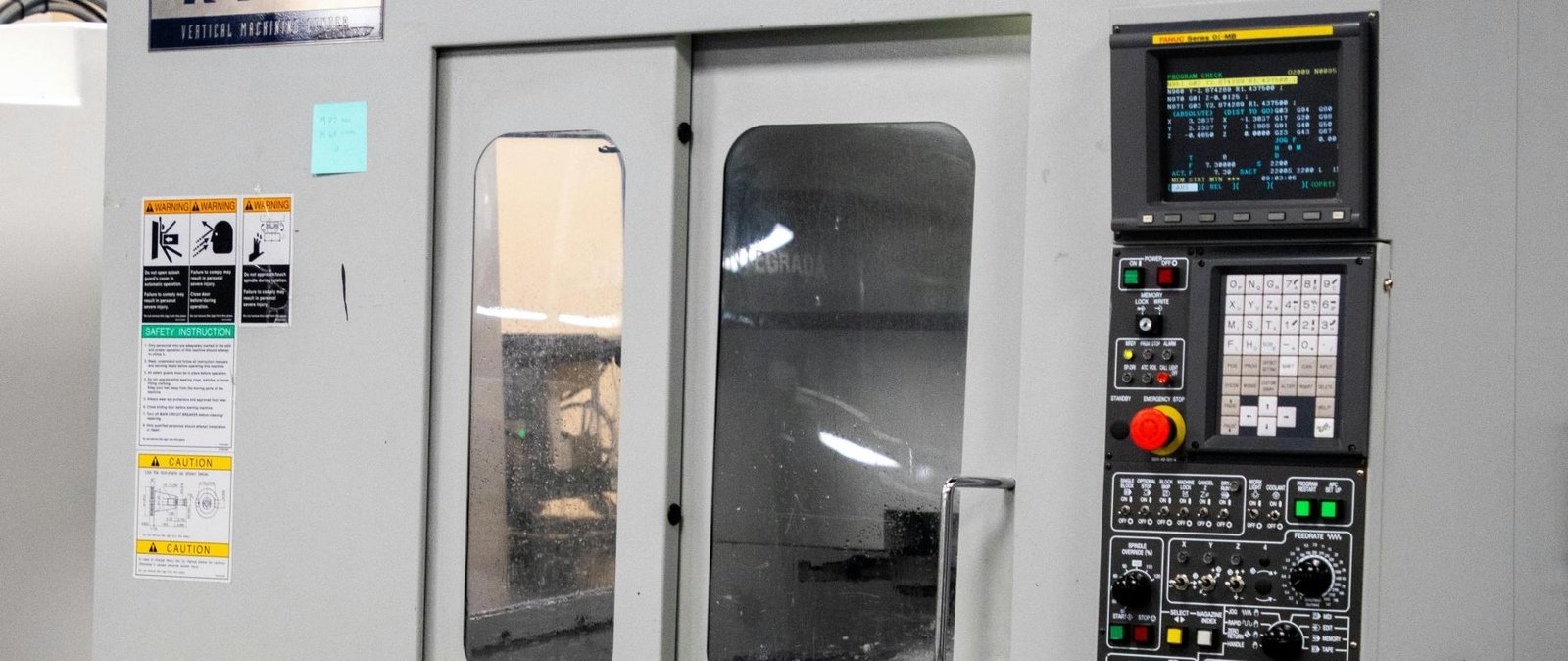
Gantry machining centers employ a bridge structure, with a crossbeam spanning two vertical columns, allowing the cutting tool to move extensively in three-dimensional space. This design enables them to handle larger workpieces, and the worktable is typically fixed. In contrast, the spindle of a vertical machining center is perpendicular to the worktable, with the workpiece fixed on a horizontal worktable, and the spindle and cutting tool moving vertically.

Machining Capacity Comparison

Workpiece Size and Weight: The biggest advantage of gantry machining centers lies in their wide machining range. They can handle large workpieces several meters long and weighing several tons, making them suitable for the aerospace, energy, and heavy machinery industries. While vertical machining centers have relatively smaller worktables, they still perform excellently for machining medium-sized parts.

Machining Accuracy: Both types of machine tools have their strengths and weaknesses in terms of accuracy. Vertical machining centers, due to their relatively compact structure and high rigidity, typically achieve a high accuracy of ±0.005mm. While gantry machining centers have slightly lower accuracy (typically ±0.01mm), they still maintain good consistency in machining large workpieces.

Production Efficiency: Gantry machining centers are equipped with multiple spindles and tool magazines, enabling complex multi-stage machining. Vertical machining centers have faster tool change speeds, making them suitable for batch production and small-batch, multi-variety production.

Cost and Return on Investment

Gantry machining centers have a higher initial investment cost, typically requiring a budget of over 1 million yuan. However, their high production efficiency and large machining range give them a superior return on investment in the long run, making them particularly suitable for mass production.

Vertical machining centers have relatively lower purchase costs and more economical maintenance expenses. For companies with limited funds or those producing smaller workpieces, this is a more practical choice.

Application Area Differences

Gantry machining centers are widely used in:

  • Large mold manufacturing
  • Aerospace component processing
  • Heavy machinery components
  • Wind turbine blade manufacturing

Vertical machining centers are suitable for:

  • Automotive parts processing
  • Medical devices
  • Precision electronic components
  • Small and medium-sized mold manufacturing

Maintenance and Operation

Vertical machining centers are relatively easy to operate and have low maintenance costs. Gantry machining centers, due to their complex structure and multiple systems, require more specialized operators and maintenance personnel, resulting in higher long-term operating costs.

Purchase Recommendations

Before making a decision, companies should consider the following factors:

  1. Workpiece Characteristics: Size, weight, and complexity
  2. Annual Output: Output size determines investment scale
  3. Budget Constraints: Initial investment and operating costs
  4. Technical Capabilities: Team’s operation and maintenance skills

Conclusion

There is no absolutely “best” choice, only the solution most suitable for the company’s needs. Gantry machining centers are suitable for large-scale, high-volume manufacturing enterprises, while vertical machining centers are more suitable for flexible, high-precision small and medium-sized production. A rational assessment of one’s own needs is essential to achieving the best return on investment.