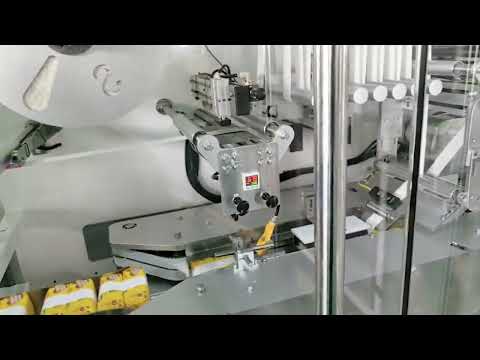
Demand for sausage filling machines is climbing fast across meat processors, food startups and HORECA suppliers worldwide. If you import or distribute food machinery, this is one of the clearest opportunities on the market right now — but only if you know how to spec the right unit and source it from a reliable factory. This guide walks you through the machine types, the numbers that actually matter, and the supplier checklist that protects your margin.
What a Sausage Filling Machine Does
A sausage filling machine (also called a sausage stuffer or sausage filler) pushes ground meat or paste through a nozzle into a casing — natural, collagen or synthetic — at a controlled, repeatable portion size. The right machine eliminates air pockets, keeps portion weights consistent, and lets a small team produce volumes that would be impossible by hand. For your customers, that consistency is the difference between passing and failing a retail audit.
The Main Types — and Who Buys Each
Different end users need very different machines. Stocking or quoting the wrong type is the fastest way to lose a deal.
Manual / hydraulic stuffers suit butcher shops and small workshops. They are low-cost, easy to maintain, and popular in markets where labour is inexpensive. Output is typically 100–300 kg/hour.
Piston (hydraulic) filling machines are the workhorse of mid-size processors. The piston design handles dense meat pastes and bone-in mixes well, with output in the 300–800 kg/hour range and tight portion control.
Vacuum sausage fillers remove air during filling, which extends shelf life and improves product appearance — essential for vacuum-packed retail sausage. These command a premium and appeal to export-grade processors.
Fully automatic filling and linking lines integrate filling, twisting/linking, and sometimes clipping. Output can exceed 1,000 kg/hour. These are capital purchases for industrial plants and are where your highest-value inquiries will come from.
Key Specs to Compare Before You Order
When you request quotes, line up suppliers on the same data points so you can compare like for like:
- Output (kg/hour or portions/min) — the headline number, but always ask at what portion weight it was measured.
- Hopper capacity — larger hoppers mean fewer refills and higher real-world throughput.
- Portion range and accuracy — a good unit holds ±1–2% on portion weight.
- Casing compatibility — confirm it handles the casing diameters your market actually uses.
- Vacuum capability — yes/no, and the vacuum level achieved.
- Contact materials — food-grade 304 or 316 stainless steel only; ask for the grade in writing.
- Power and voltage — confirm it matches your destination market (220V/380V, 50/60Hz).
What Importers Should Check on the Supplier Side
The machine is only half the deal. Before you place a deposit, verify the factory on these points:
Certifications. For most export markets you will need CE; some buyers also require food-contact compliance documentation. Ask for the actual certificate, not a logo on a brochure.
Customization. Can they match your voltage, plug type, language on the HMI, and branding? Factories that say yes quickly are usually used to exporting.
MOQ and lead time. Get both in writing. Typical lead times run 20–45 days depending on automation level.
Spare parts and after-sales. Filling nozzles, seals and pistons are wear parts. Confirm parts availability and pricing up front — your customers will judge you on uptime, not on the original sale.
Inspection. A reputable factory will accept a third-party inspection or video factory acceptance test before shipment.
Price Factors
A manual stuffer can cost a few hundred dollars; a fully automatic linking line runs into five or six figures. Price is driven mainly by output, vacuum capability, level of automation, and stainless steel grade. The cheapest quote is rarely the best value once you factor in downtime and parts — build your pricing conversation around total cost of ownership, not sticker price.
Frequently Asked Questions
What is the difference between a sausage stuffer and a sausage filling machine? They refer to the same category of equipment. “Stuffer” is common for manual and small units; “filling machine” is used more for semi-automatic and automatic models.
Can one machine handle different casing sizes? Yes, by changing the filling nozzle. Confirm which nozzle diameters are included and which are optional extras.
Hydraulic or vacuum — which should I import? For markets selling fresh sausage at low price points, hydraulic piston fillers move fastest. For export-grade, vacuum-packed retail product, the vacuum models justify their premium.
What voltage will I receive? Whatever you specify — a good supplier builds to your destination market’s voltage and frequency. Always confirm this in writing.
Ready to source the right sausage filling machine?
We manufacture manual, piston, vacuum and fully automatic sausage filling machines and ship to importers worldwide with CE documentation, your-market voltage, and a stocked spare-parts program. Send us your target output and casing sizes, and we’ll send back a tailored quote within 24 hours.