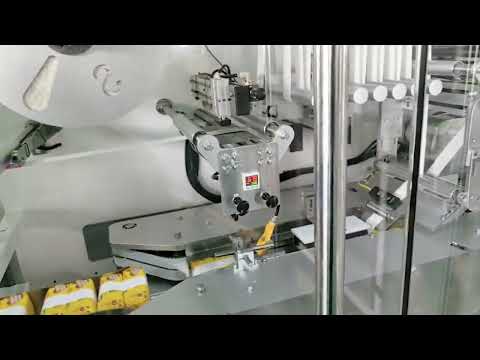
A surprising number of would-be wet wipe manufacturers assume they need a sprawling factory. They don’t. A single flat-pack line fits comfortably in a modest light-industrial unit — and getting the layout and environment right matters far more than raw square meters. Here’s a realistic picture of the space you’ll need and how to organize it.
The short answer
For a single semi-automatic or automatic wet wipe line, plan on roughly 80–150 m² total. That covers the machine itself plus the support zones around it. The machine footprint is often smaller than people expect — much of your space goes to materials, finished goods and working room, not the line.
A rough split:
- Production zone (the line): 30–50 m²
- Raw material storage: 20–40 m²
- Finished goods storage: 20–40 m²
- Office / changing / misc: 10–20 m²
Scale up from there as you add lines or volume. Two lines don’t need double everything — storage and office can be shared — so a two-line operation might fit in 200–250 m² rather than 300.
What each zone is for
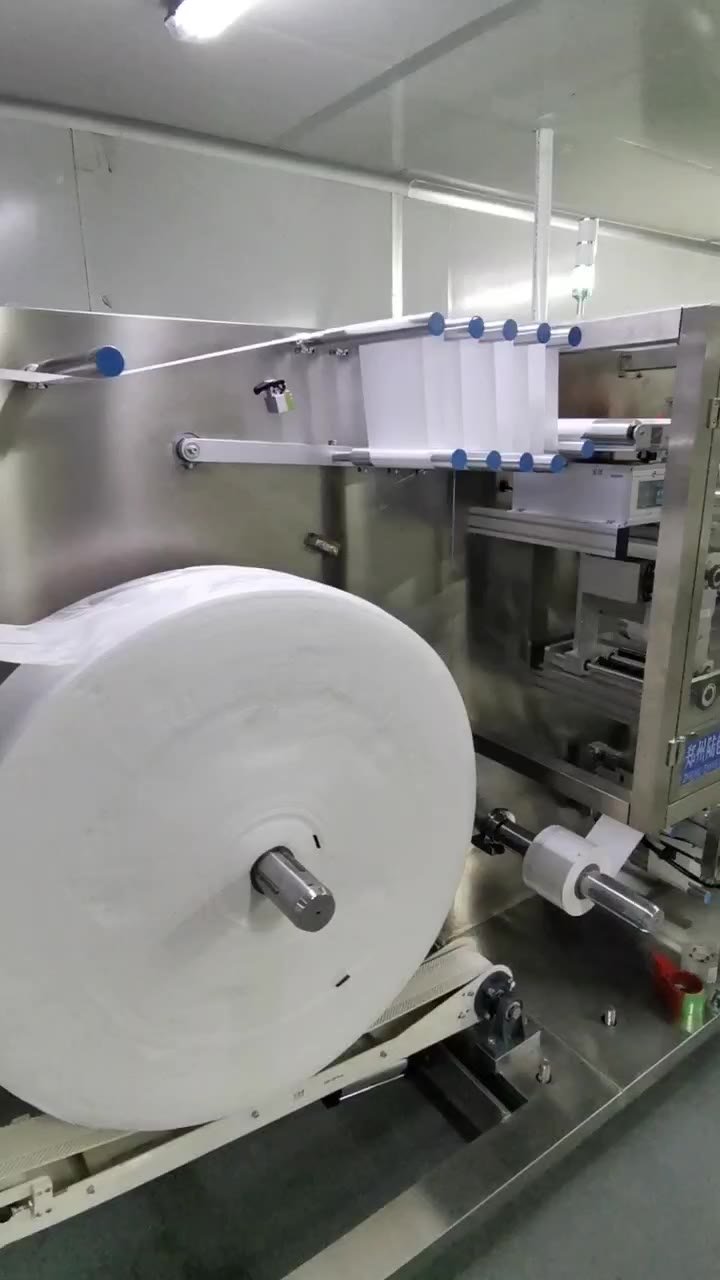
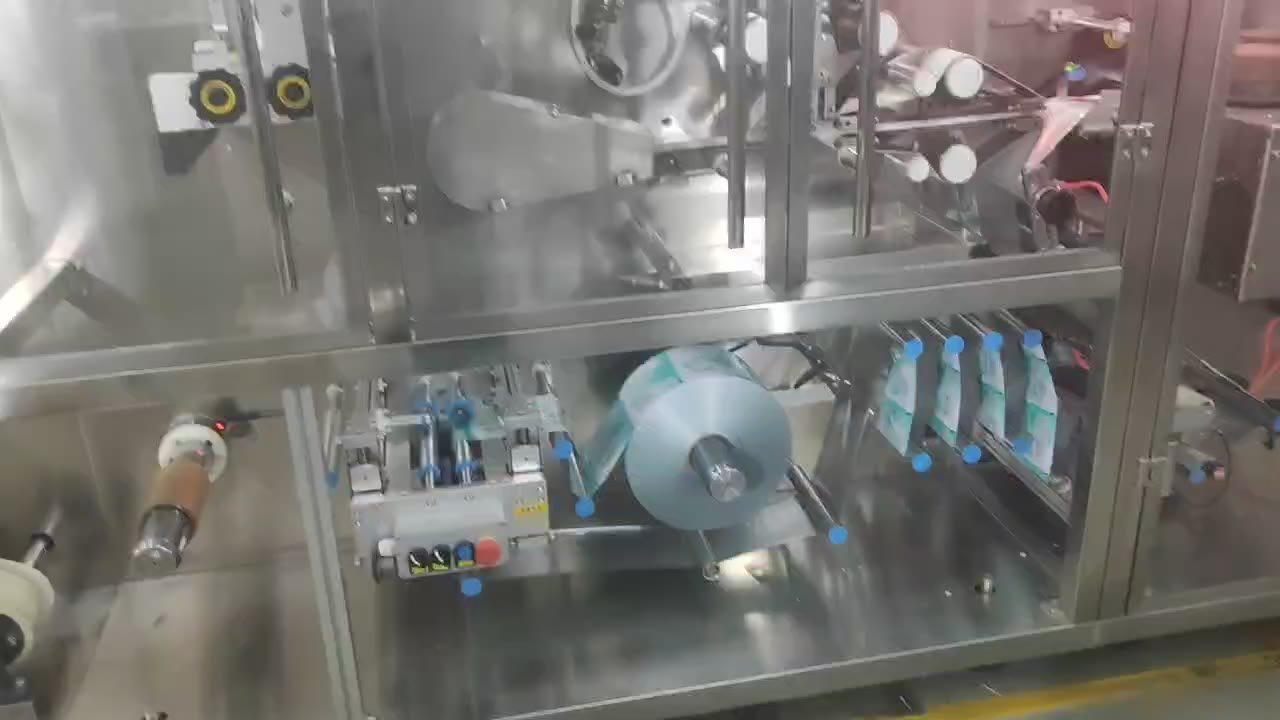
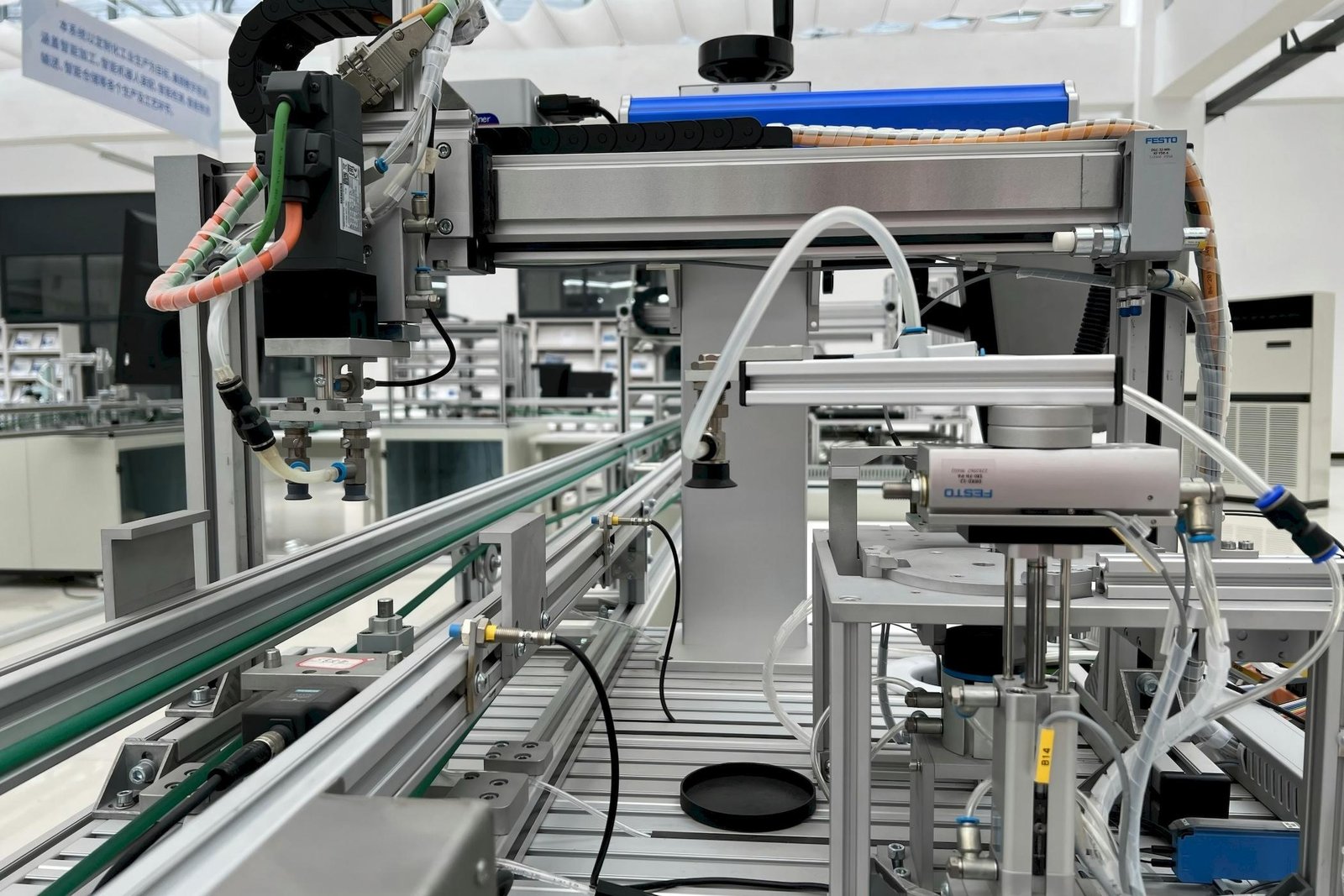
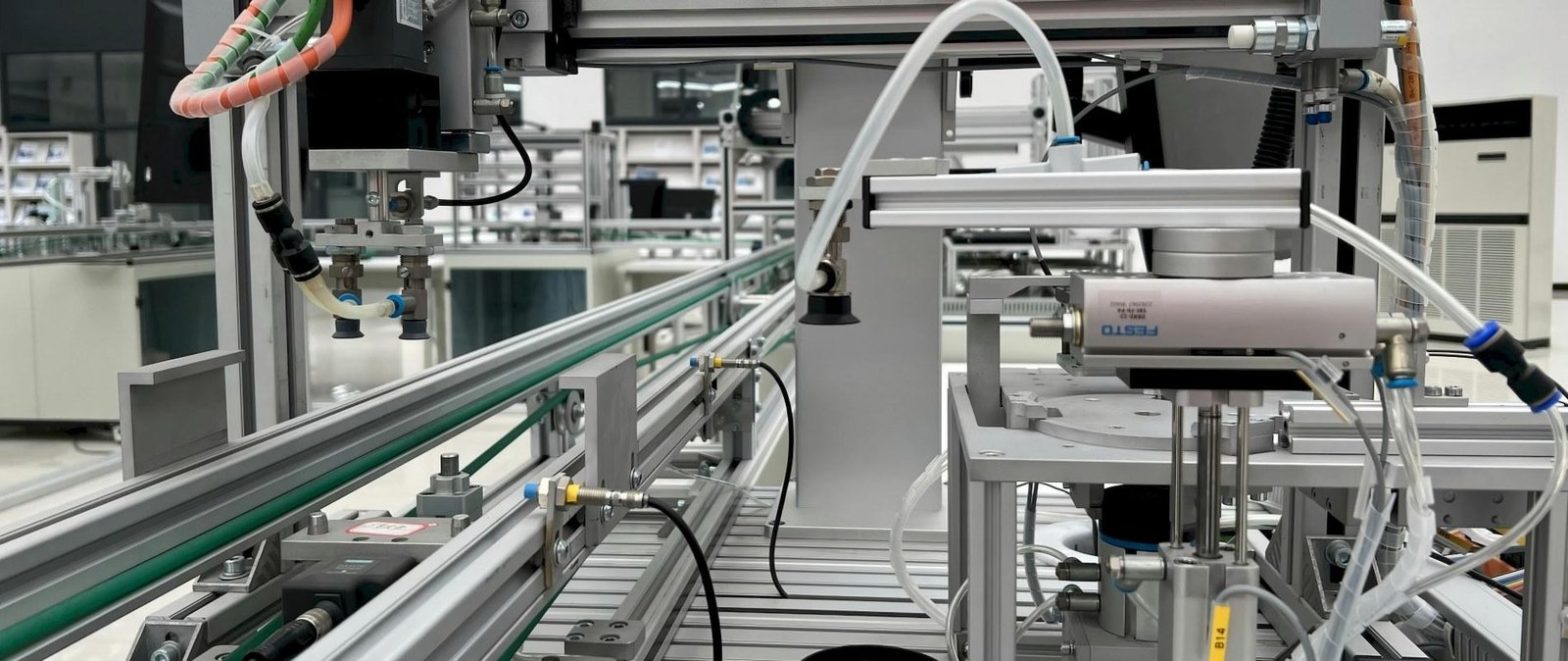
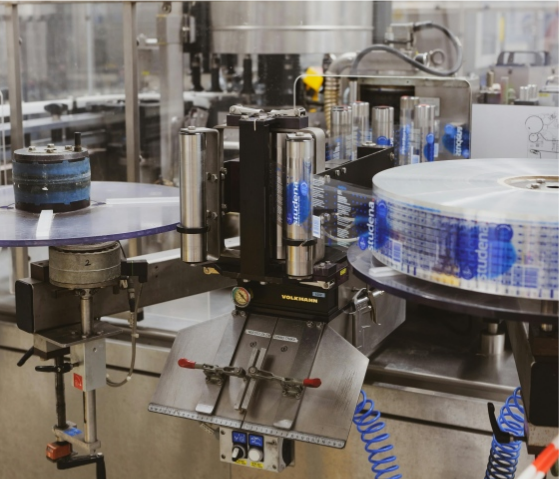
Production zone holds the line: unwind, folding, saturation, sealing/cutting, packaging and coding. Leave clear working room on the operator side and access on the maintenance side — cramming the machine against a wall makes cleaning and repairs miserable.
Raw material storage holds nonwoven rolls, solution components and packaging. Nonwoven and packaging take more room than people expect, and you’ll want enough buffer stock to run continuously through your sales ramp. Keep this area dry and clean.
Finished goods storage holds packed cartons awaiting dispatch. Size this to your order pattern — if you ship in large batches, you need more buffer.
Office and changing area — small but necessary, especially for a hygiene product where operators should follow basic clean-handling practice.
A simple layout that works
The principle is one-directional flow: materials in at one end, product out at the other, with no backtracking and no crossing of clean and dirty zones.
[ Raw material ]→[ Production line ]→[ Finished ]→[ Dispatch
storage / intake ] fold • saturate • goods door ]
seal • pack • code storage
↑ ↑
[ Solution prep / water treatment ] [ Office / changing ]
Keep the solution prep and water treatment near the saturation point of the line, and keep raw material intake away from finished goods to avoid contamination and confusion. This straight-line flow minimizes handling, reduces the chance of mixing materials, and makes the operation easy to supervise.
Environment matters more than size
This is the part new entrants overlook: wet wipes are a hygiene product, so the quality of the space beats the quantity. The non-negotiables:
- Cleanliness — a clean, dust-controlled production area. You don’t necessarily need a full cleanroom for general wipes, but you do need a genuinely clean environment, and disinfectant or medical-grade products raise the bar significantly.
- Reliable power — most lines need stable three-phase electricity. Confirm your unit’s supply before you sign a lease.
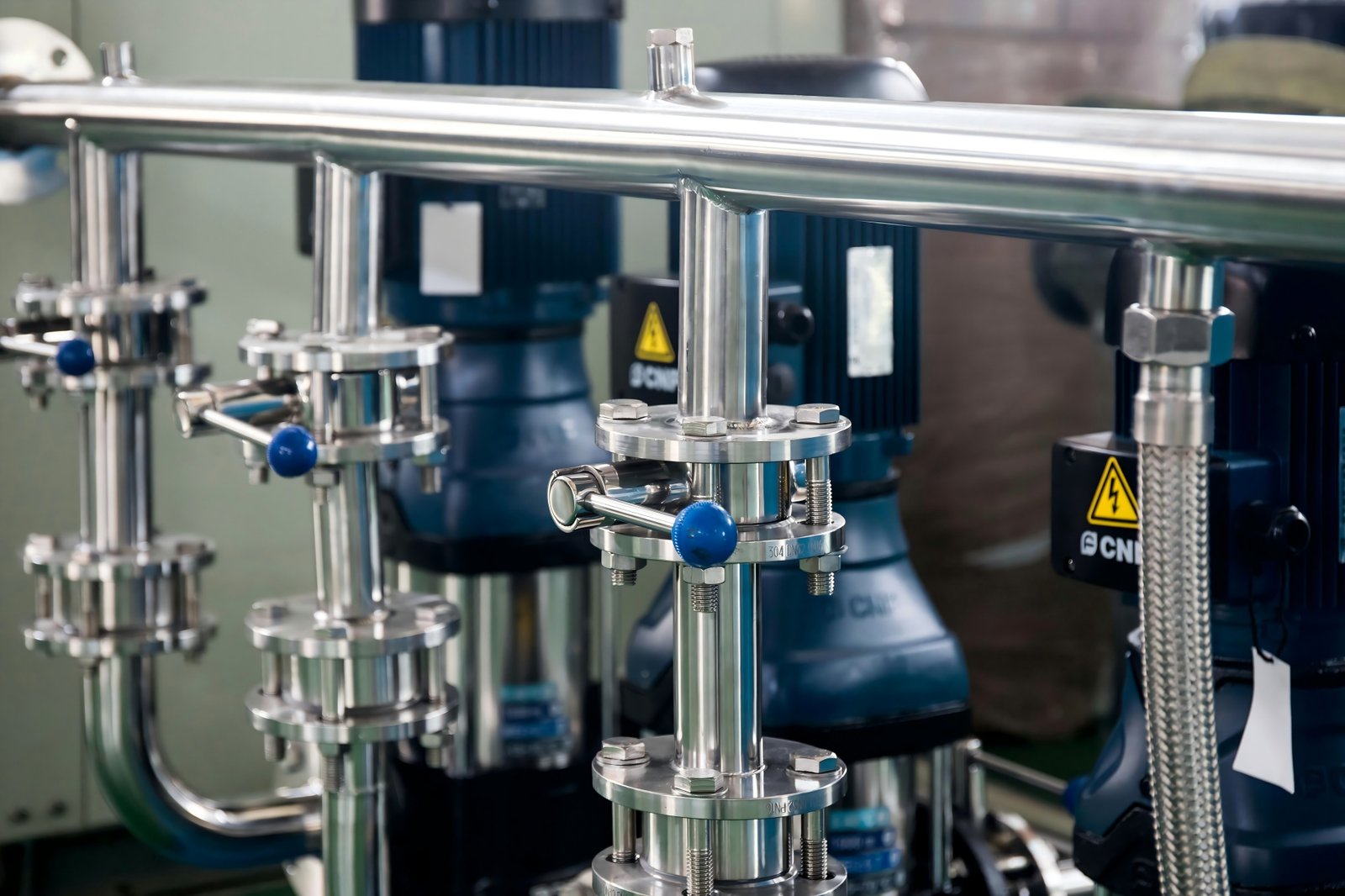
- Treated water — you need purified/treated water for the solution, so factor in a water treatment setup and the space for it. (See our raw materials guide on why water quality is critical.)
- Ventilation and humidity control — keeps both the product and the workers comfortable, and protects material quality.
- Drainage — saturation and cleaning produce wastewater; make sure the unit can handle it.
A clean 100 m² unit with good power and water beats a 250 m² shed with neither.
Rent, don’t build — at least at first
Almost every successful small wet wipe producer starts in a rented light-industrial unit, not a purpose-built factory. Renting keeps your capital in the machine and working capital where it belongs, and lets you scale into a bigger space once demand is proven. Building or buying property up front is a classic way to lock cash into the wrong asset before you know your real volume — the same over-commitment trap we warn against in our startup cost breakdown.
Plan the space around the right machine
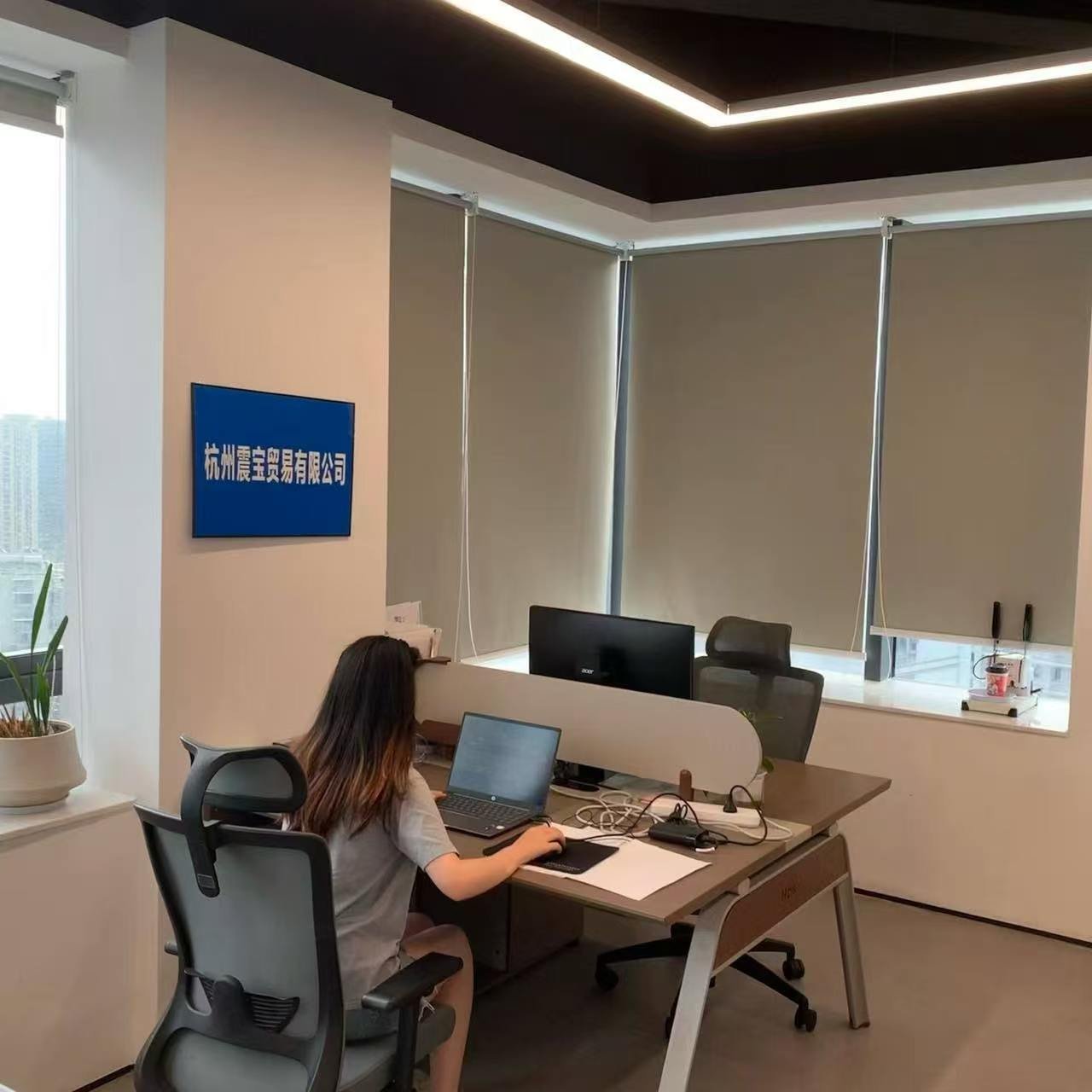
Your space needs follow directly from the line you choose — its footprint, output and automation level. It’s worth fixing the machine decision first, then sizing the unit to it, rather than renting blind. Zhenbao Trade supplies wet wipe lines with clear footprint and utility specs, so buyers can match the unit to the machine before signing a lease. Get in touch and we’ll help you plan the layout properly.