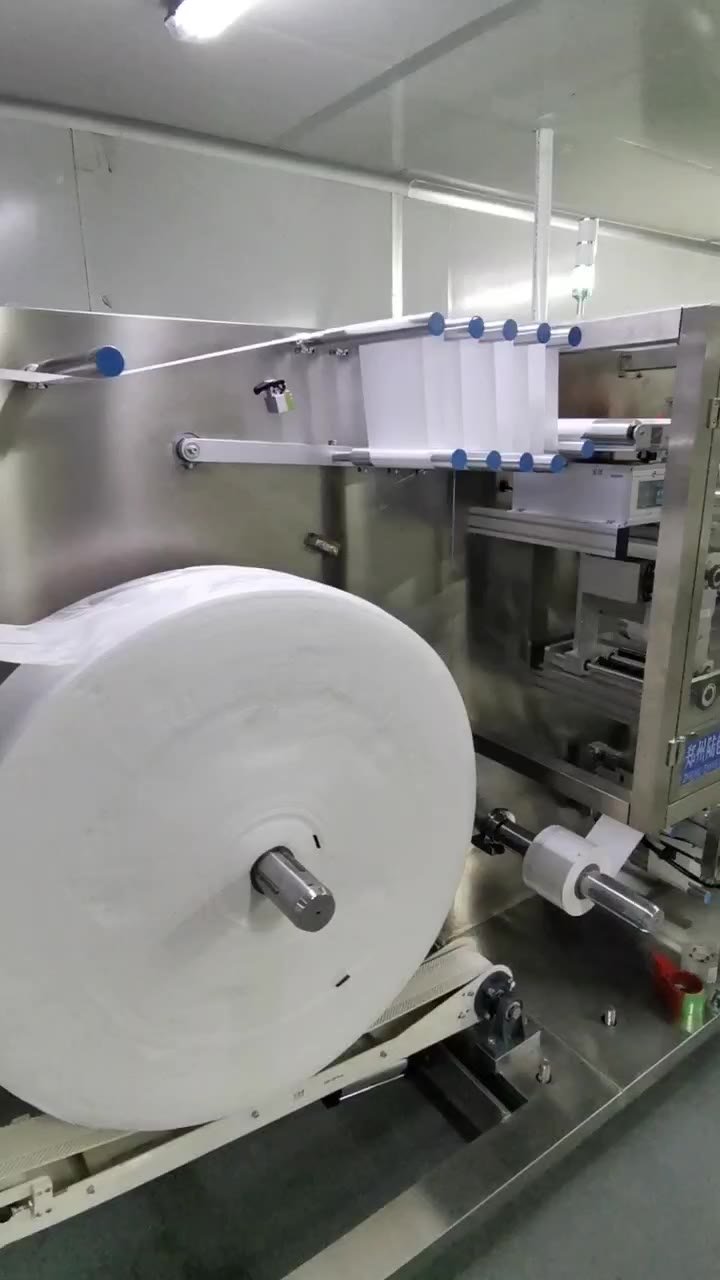
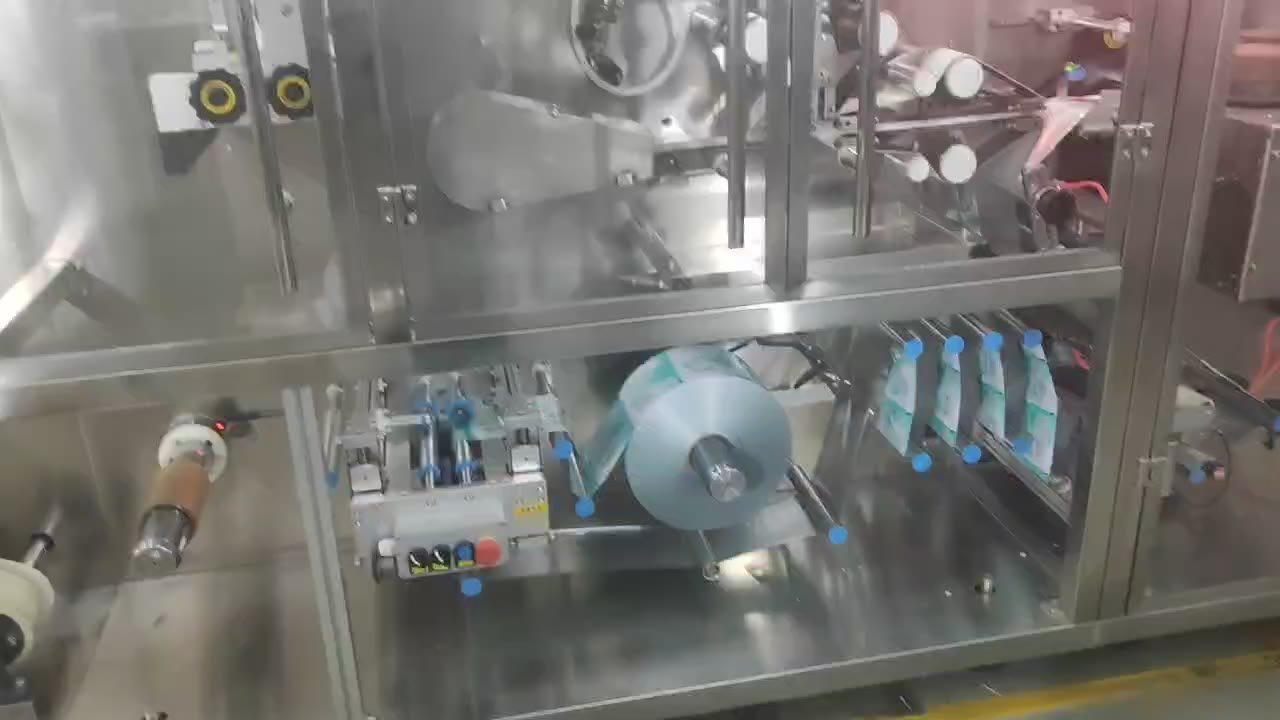
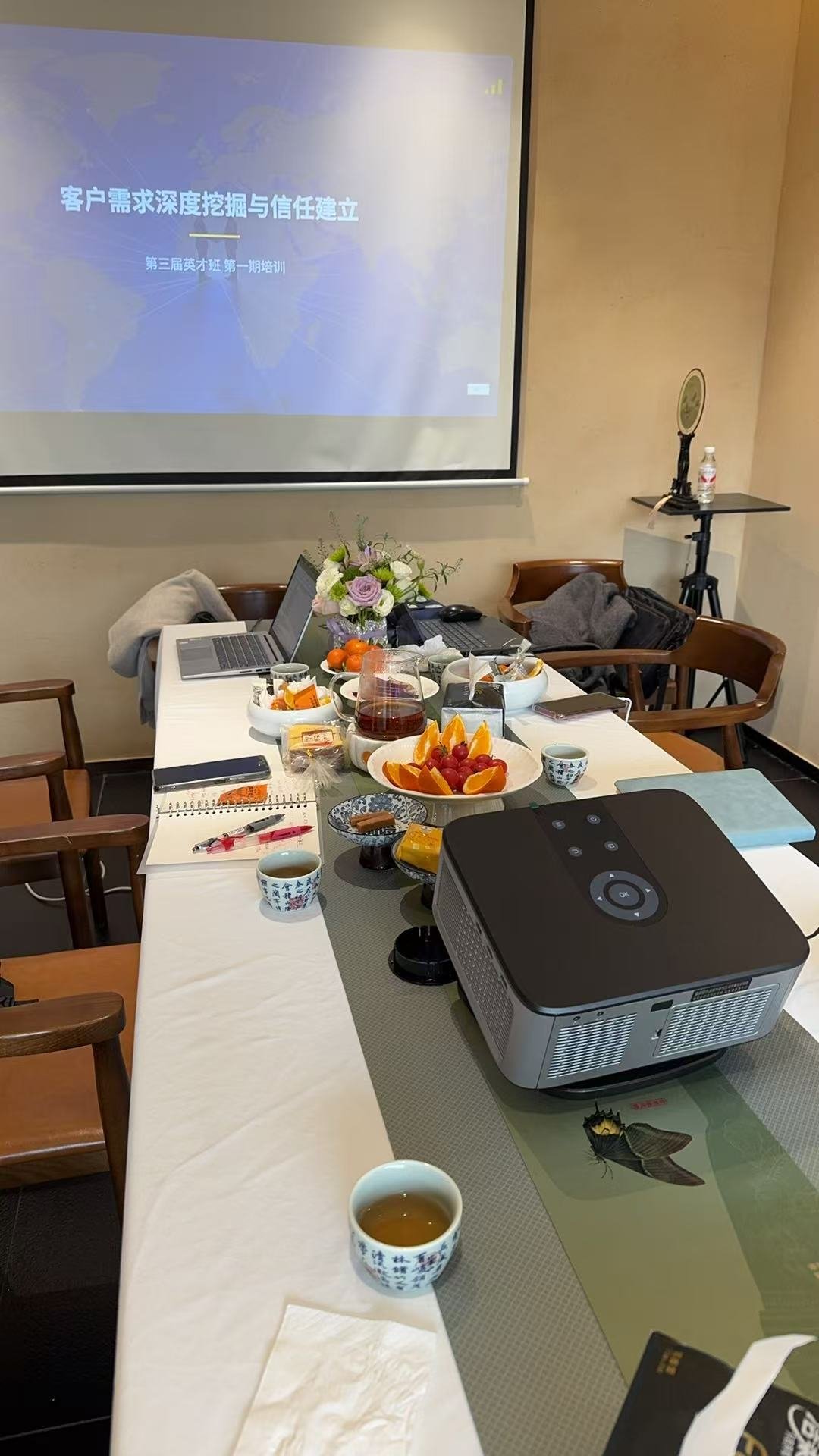
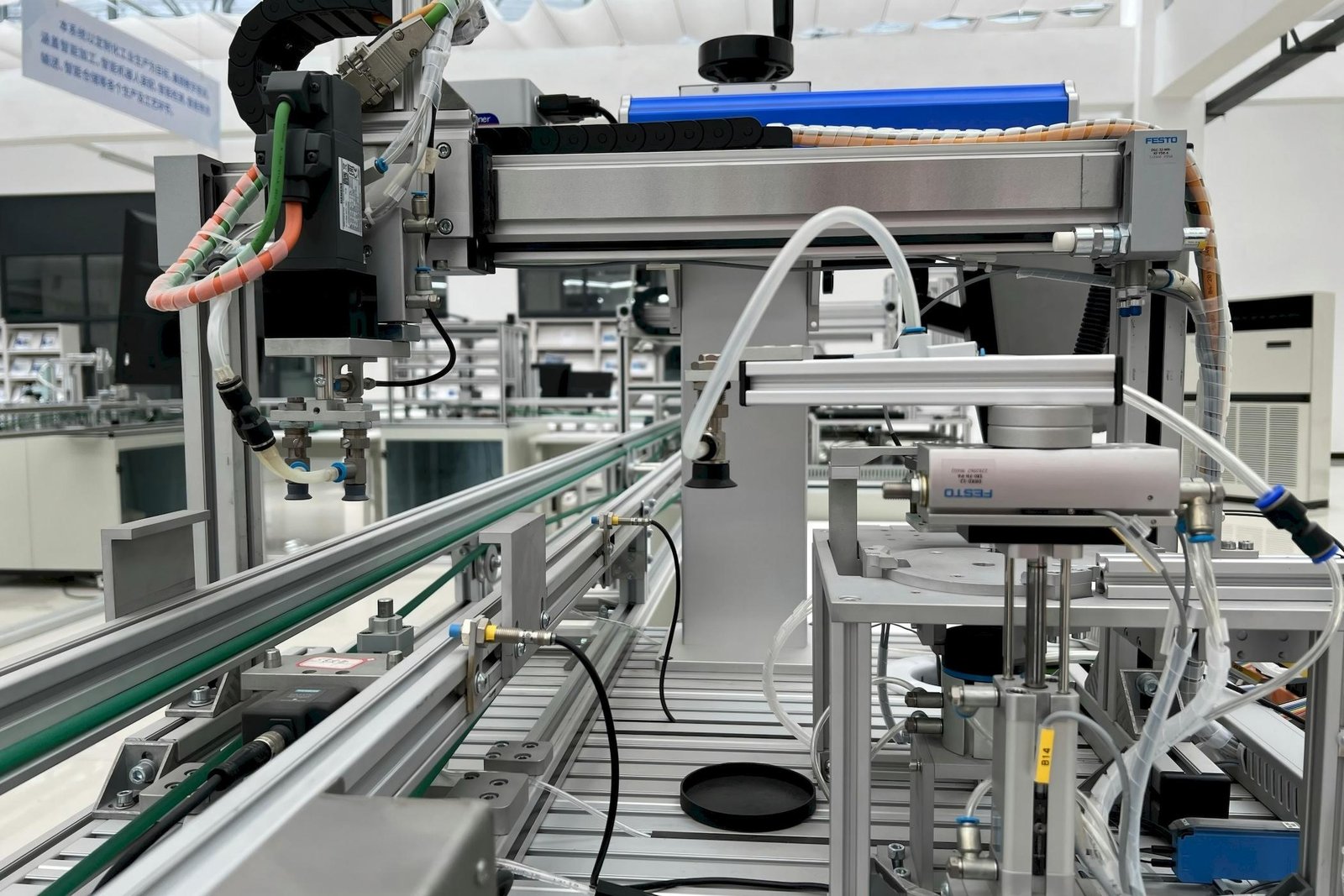
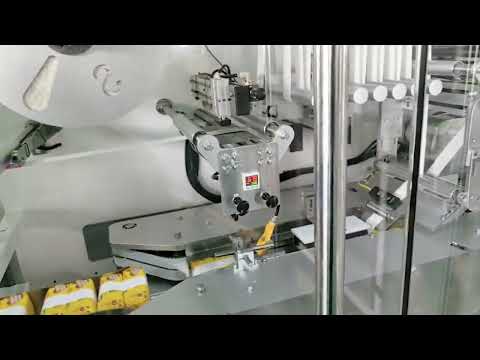
A production line is only as good as the people running it. We have seen brand-new machines produce at 60% capacity for months — not because anything was wrong with the equipment, but because the team operating it was never properly trained.
If you are importing a production line from China for the first time, here is the training plan we recommend to every buyer.
Start Training Before the Machine Ships
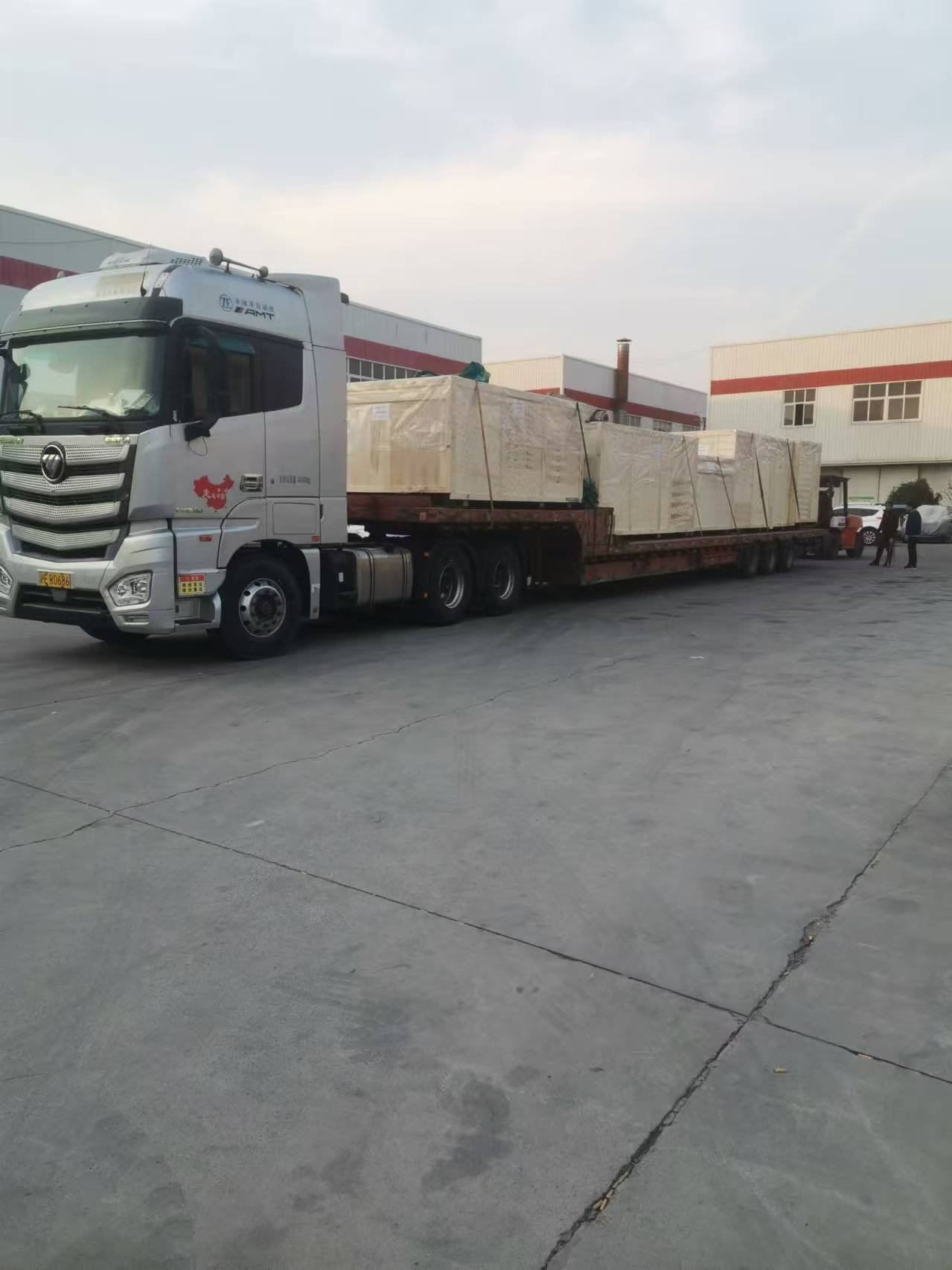
The biggest mistake buyers make is waiting until the machine arrives to think about training. By then, you are paying for downtime while your team learns.
Before shipment, ask your supplier for:
The full operation manual in English (review it with your team in advance), video footage of the machine running during the Factory Acceptance Test, and a list of operator roles the line requires — how many people, doing what, at what skill level.
If your team can study the manual and FAT videos before the crate lands, installation week becomes a review session instead of a first lesson.
Choose the Right People to Train First
Do not train everyone at once. Select two or three core operators — ideally people with mechanical aptitude and, just as important, people likely to stay with your company. These become your internal trainers later.
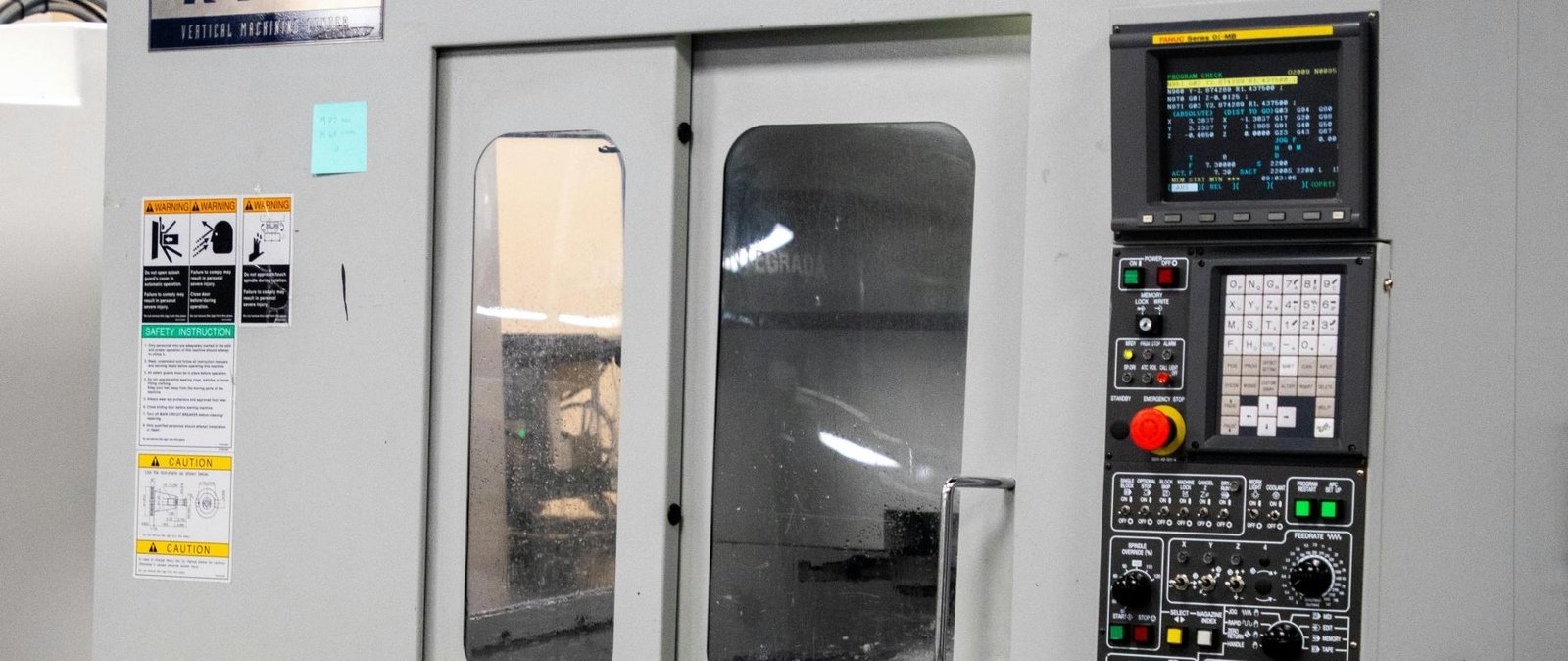
For a typical wet wipes production line, the core roles are: a line operator (controls, speed, changeovers), a maintenance technician (lubrication, adjustments, basic repairs), and a quality checker (fold, moisture, seal integrity).
Use the Engineer Visit Wisely
If your purchase includes an on-site installation and commissioning visit from the supplier’s engineer, treat those days as gold. The engineer’s job is not just to make the machine run — it is to make your people able to keep it running.
Structure the visit: days 1–2 for installation and commissioning, days 3–4 for hands-on operator training with your staff at the controls (not just watching), and the final day for troubleshooting drills — deliberately simulate common faults and let your team fix them while the engineer supervises.
Insist that your operators run the machine themselves before the engineer leaves. Watching is not learning.
Build a Simple Internal SOP
After training, have your core operators write a one-page standard operating procedure in the local language: startup sequence, shutdown sequence, daily checks, and who to call when something goes wrong. A laminated sheet next to the control panel prevents more downtime than any service contract.
Keep a Remote Support Channel Open
Even well-trained teams hit problems. Before the engineer leaves, set up a WhatsApp or WeChat group with the supplier’s technical team, and agree on response expectations. A five-minute video call often solves what would otherwise be a week of email back-and-forth.
This is also why after-sales support should be a core criterion when you choose a supplier — we cover that in detail in Why After-Sales Support Should Be Part of Your Supplier Selection.
Internal Links
- /why-after-sales-support-supplier-selection/
- /troubleshoot-common-wet-wipes-machine-errors/
- /spare-parts-wet-wipes-machine/
CTA
Buying a production line and worried about the learning curve? Zhenbao Trade includes structured operator training with every machinery project — manuals, FAT videos, on-site commissioning, and a permanent remote support channel. Contact us at sales@zhenbaotrading.com to discuss your project.