How to Troubleshoot Common Wet Wipes Machine Errors: A Field Guide

Most wet wipes machine “breakdowns” are not breakdowns at all. In our experience supporting buyers across Southeast Asia and the Middle East, roughly 70% of reported faults are solved by adjustment, cleaning, or a simple part swap — no engineer visit required.

Here are the most common errors, in the order we usually see them.

Problem 1: Wipes Are Not Folding Correctly

Symptoms: Skewed folds, double-feeding, wrinkled wipes.

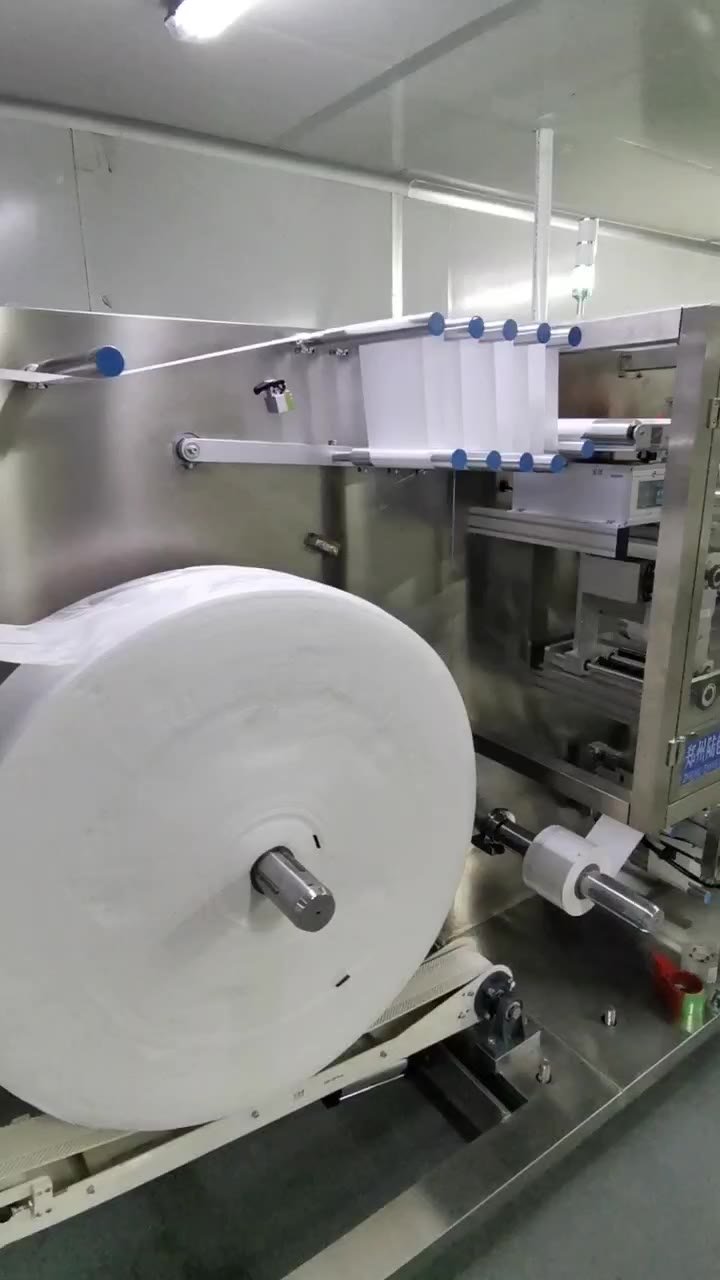
Most common causes: Non-woven fabric tension is wrong (too loose or too tight on the unwind stand); fabric width or GSM changed from the original specification; folding plates have shifted out of alignment.

Fix: Re-tension the fabric web first — this solves the majority of folding issues. If you recently switched fabric suppliers, check that the new material matches the GSM and width your machine was commissioned with. Fabric choice matters more than most buyers realize; see our Non-Woven Fabric Selection Guide.

Problem 2: Packaging Seals Are Weak or Leaking

Symptoms: Packs open at the seam, moisture escaping, customers complaining of dry wipes.

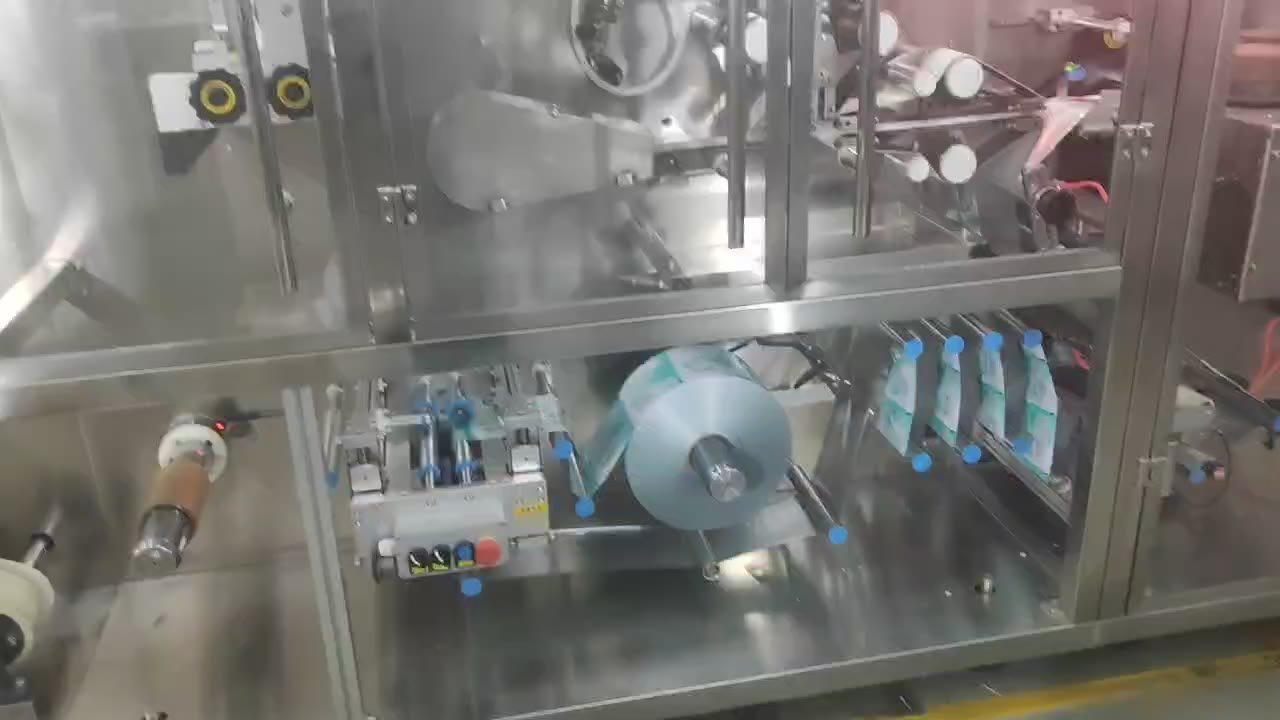
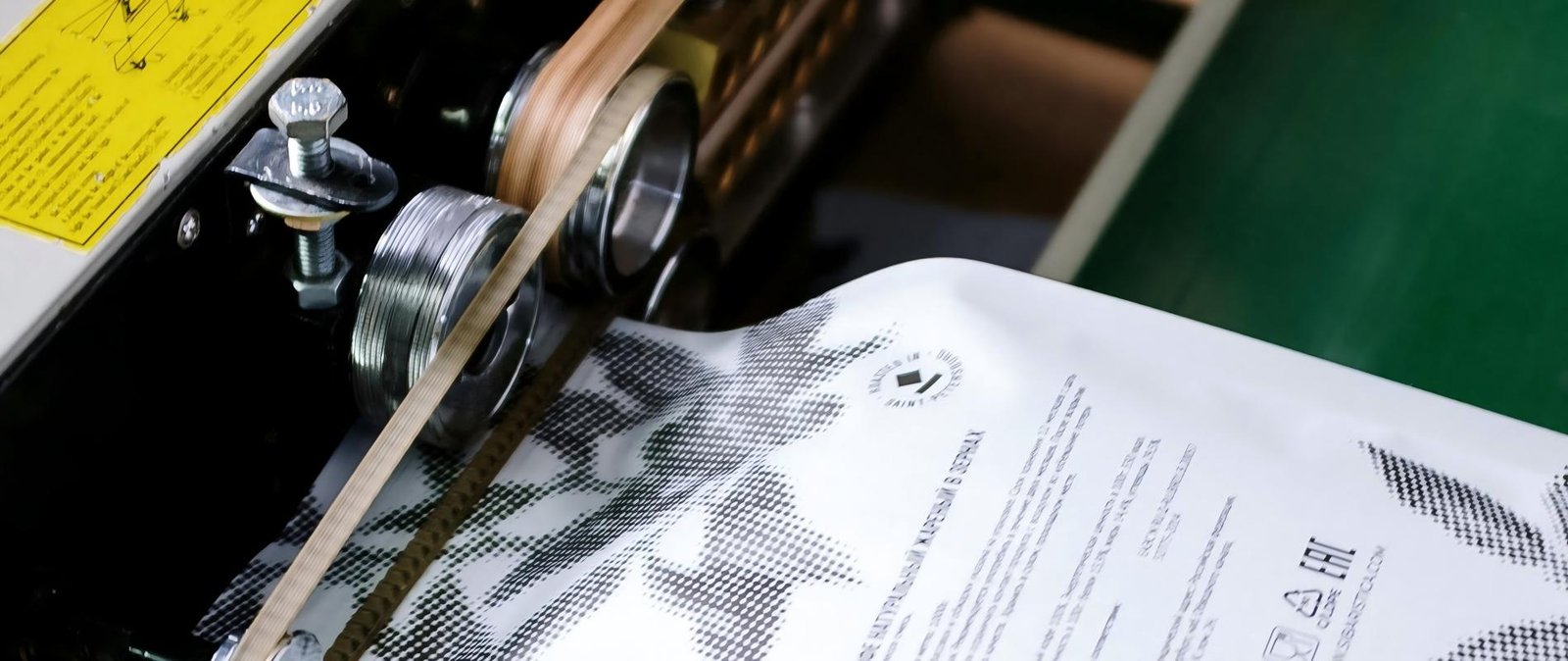
Most common causes: Sealing temperature too low or too high for the film; worn Teflon tape or sealing elements; sealing pressure uneven; packaging film changed without re-tuning.

Fix: Inspect and replace the Teflon tape (a five-minute job — keep spares; see our spare parts stocking guide). Then adjust temperature in 5°C steps and test. Document the correct setting for each film type you use.

Problem 3: Inconsistent Cutting

Symptoms: Ragged edges, incomplete cuts, fabric jams at the cutting station.

Most common causes: Dull blade — by far the most frequent. Also: blade-to-anvil gap drifting, or fabric debris buildup.

Fix: Replace or rotate the blade and clean the cutting station. If your team is replacing blades far more often than expected, your fabric may be more abrasive than the original spec — another reason fabric selection and machine settings have to match.

Problem 4: Liquid Dosing Is Uneven

Symptoms: Some wipes too wet, some too dry, lotion pooling in packs.

Most common causes: Clogged nozzles or filters (especially with thicker lotion formulas), pump pressure drift, low liquid level triggering inconsistent flow.

Fix: Clean nozzles and replace inline filters on schedule — weekly if you run lotion formulas. Verify pump pressure against your commissioning record.

Problem 5: Machine Stops With an Alarm Code

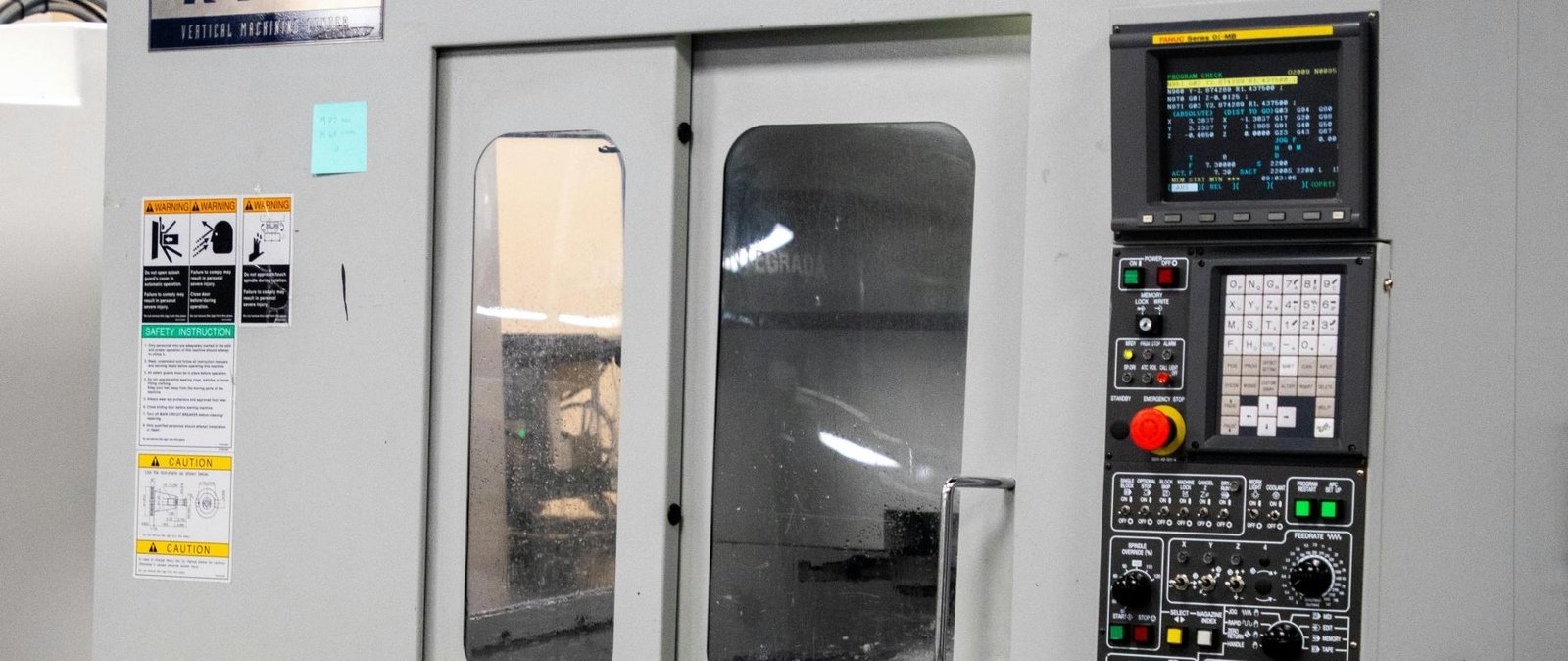
Symptoms: Line halts, HMI shows an error code.

Fix: Photograph the screen before resetting anything. Check the manual’s alarm table first — most codes point to a specific sensor or safety switch. The most common culprit is a misaligned or dusty photoelectric sensor. Clean it, realign it, reset.

When to Call the Supplier

Call when: the same fault recurs after your fix, anything electrical burns or smells, or an alarm code is not in the manual. Send video of the fault, the alarm photo, and your machine serial number in the first message — it cuts diagnosis time from days to minutes. This is exactly the kind of moment when your supplier’s after-sales responsiveness becomes the most expensive — or cheapest — line on your original purchase decision.

Internal Links

  • /non-woven-fabric-selection-guide-wet-wipes/
  • /spare-parts-wet-wipes-machine/
  • /train-local-staff-new-production-line/

CTA

Stuck on a fault your team cannot solve? Send us a video at sales@zhenbaotrading.com — Zhenbao Trade provides remote troubleshooting support for wet wipes and hygiene machinery, including machines purchased from other suppliers.