How to Source Spare Parts Directly from China Without a Middleman

If you own Chinese-made machinery, you have probably had this experience: you request a spare part through the company that sold you the machine, and the quote comes back at three times what the part should cost — with a four-week lead time.

The part itself might cost USD 50 at the factory in China. By the time it reaches you, it is USD 180. Here is how to shorten that chain.

First, Understand the Chain You Are Paying For

A typical spare part travels: component manufacturer → machine factory → trading company → (sometimes) your local distributor → you. Each link adds margin and days. Sourcing directly means cutting the links that add cost without adding value.

Note the careful wording — without adding value. Some links do add value, and we will get to that honestly.

Step 1: Identify the Part Precisely

The number one reason direct sourcing fails is wrong identification. Before contacting anyone, gather:

The machine’s serial number and nameplate photo, the original parts list or manual (the parts diagram page), clear photos of the part from multiple angles — including any printed model numbers, and exact measurements if it is a mechanical part (calipers, not estimates).

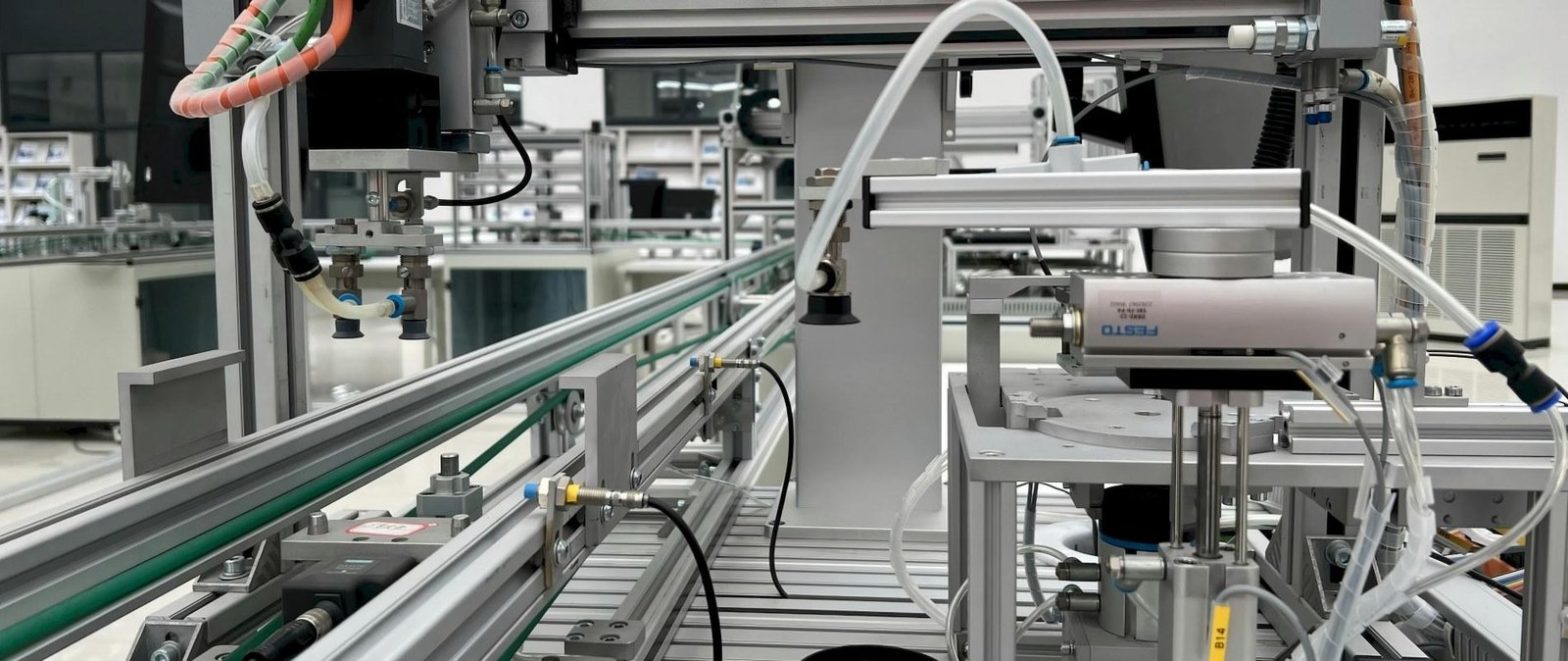
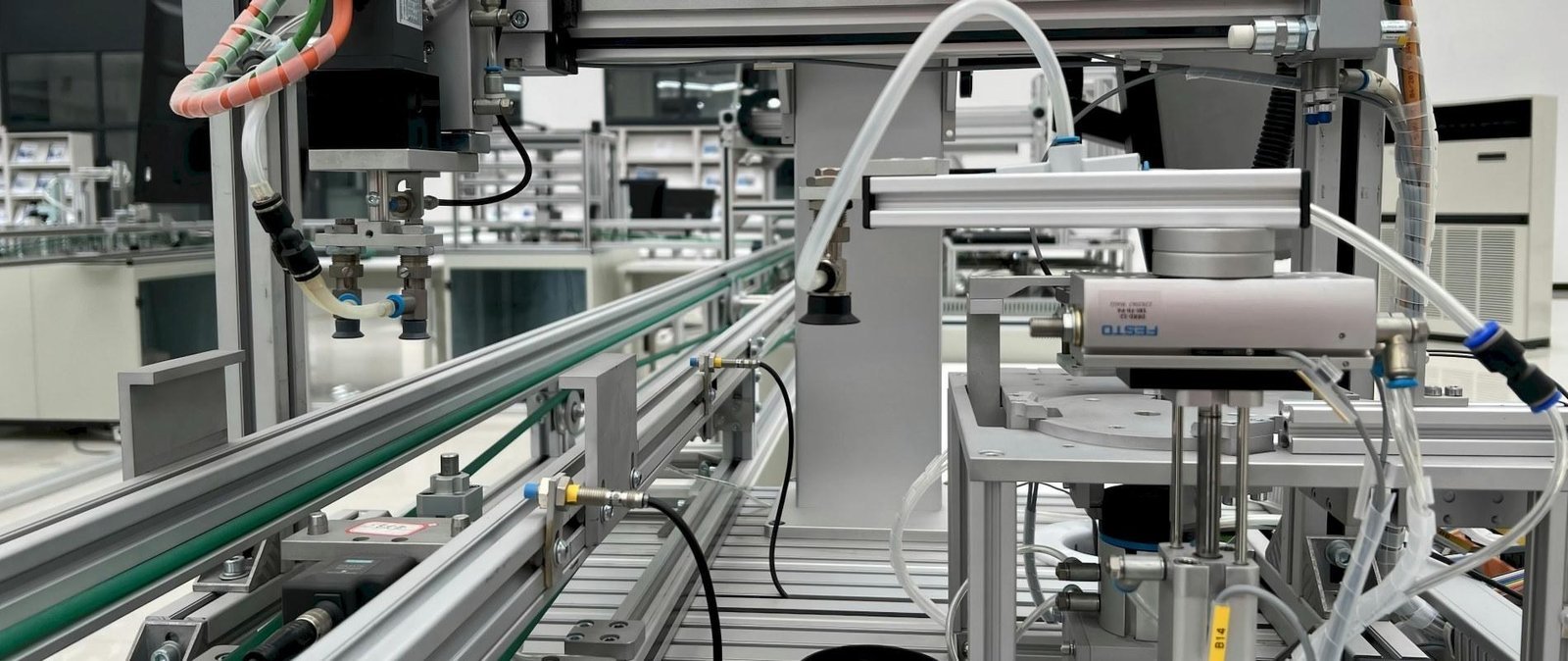
For standard components — sensors, valves, contactors — the brand and model printed on the part is often enough. Many “machine-specific” parts are actually standard Schneider, Omron, Airtac, or Delta components with a markup attached.

Step 2: Separate Standard Parts From Custom Parts

Standard parts (electrical components, bearings, belts, pneumatics): these can be sourced from any reputable industrial supplier in China. You are not locked to your machine maker.

Custom parts (cutting blades made for your specific machine, machined rollers, folding plates): these need either the original machine factory or a capable machining shop with your part’s drawings. This is where direct sourcing gets harder — and where verification matters most.

Step 3: Verify Before You Pay

For any new parts supplier: ask for their business license (营业执照) and check the registered name matches who you are paying; request photos or video of the actual part before shipment; for machined parts, ask for dimension reports against your drawing; start with a small order before committing to a large one.

Payment to a personal bank account instead of a company account is the classic red flag — walk away.

Step 4: Get the Logistics Right

Small parts go by courier (DHL/FedEx, 5–10 days). Heavier orders may justify air or sea freight — but consolidate: ordering six months of wear parts in one shipment (here is what to stock) costs far less per part than emergency one-off couriers.

Check your country’s import rules — some electrical components need certification paperwork even as spare parts.

The Honest Part: When a Middleman Is Worth It

Direct sourcing saves money when you know exactly what you need. It costs money when you don’t — a wrong part shipped twice is more expensive than any markup.

A good sourcing partner in China earns their fee by: identifying parts from photos when you have no documentation, verifying machining quality before shipment, consolidating parts from five factories into one shipment, and chasing a factory in Chinese when something goes wrong.

The problem is not middlemen. The problem is middlemen who only forward emails. Pay for verification and accountability — never for forwarding.

Internal Links

  • /spare-parts-wet-wipes-machine/
  • /why-after-sales-support-supplier-selection/
  • /china-sourcing-agent-services/

CTA

Have a part you cannot identify or a quote that looks inflated? Send photos and your machine details to sales@zhenbaotrading.com. Zhenbao Trade sources and verifies machinery spare parts directly from manufacturers — with factory pricing and pre-shipment inspection.