Non-Woven Fabric Selection Guide for Wet Wipes Manufacturers

Your wet wipes machine determines how fast you produce. Your non-woven fabric determines what you produce — its feel, strength, absorbency, and ultimately whether a customer buys your brand twice.

Fabric is also typically 40–60% of your cost per pack, which makes it the most consequential sourcing decision after the machine itself. Here is a practical selection guide.

Start With Spunlace — Then Choose Within It

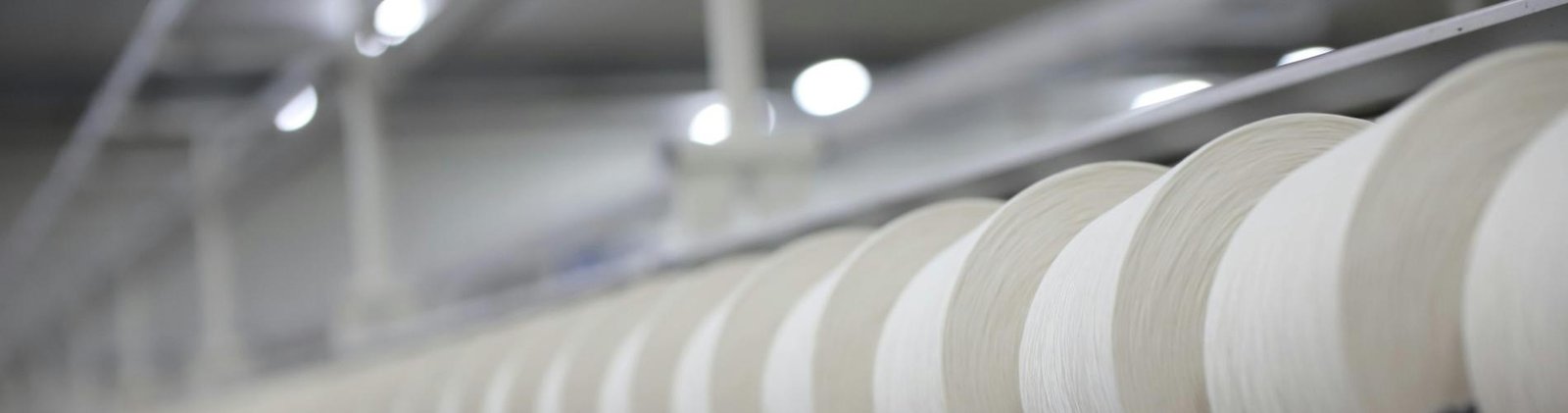
For wet wipes, spunlace (hydroentangled) non-woven is the industry standard: soft, strong when wet, lint-free, and compatible with virtually all wet wipes machines. Your real decisions are within the spunlace category.

Decision 1: GSM (Weight)

GSM — grams per square meter — drives both quality perception and cost.

35–40 GSM: economy wipes, promotional products, thin refill packs. Workable, but thin wipes tear in use and feel cheap. 45–50 GSM: the mainstream choice for baby wipes and general-purpose wipes — the balance point of cost, strength, and hand feel. 55–70 GSM: premium baby care, cosmetic and makeup-removal wipes, industrial wipes.

A practical note: every GSM step changes your cost per pack more than almost any other variable. Run the numbers per 1,000 packs, not per kilogram of fabric.

Decision 2: Fiber Blend

Viscose/polyester blends (typically 50/50 or 70/30 viscose-rich): the workhorse. Viscose gives absorbency and softness; polyester gives wet strength and lowers cost. Most baby wipes worldwide use this blend.

100% viscose: softer, fully plant-derived, but weaker when wet and more expensive.

Cotton and cotton-blend spunlace: premium positioning (“pure cotton wipes”) commands a higher retail price, especially in markets where “cotton” is a strong marketing word.

Biodegradable/flushable substrates (wood pulp blends, plastic-free spunlace): rapidly growing due to regulation — the EU and several other markets now require plastic-content labeling on wipes, and retailers increasingly demand plastic-free options. If you export to regulated markets, evaluate plastic-free fabric now, not later.

Decision 3: Plain, Embossed, or Mesh

Plain (flat) spunlace is the default and cheapest. Embossed patterns (pearl, wave, dot) add perceived thickness and a premium look at minimal cost — often the cheapest “upgrade” available. Mesh/perforated textures suit cleaning and industrial wipes where scrubbing matters.

The Part Buyers Miss: Fabric and Machine Must Match

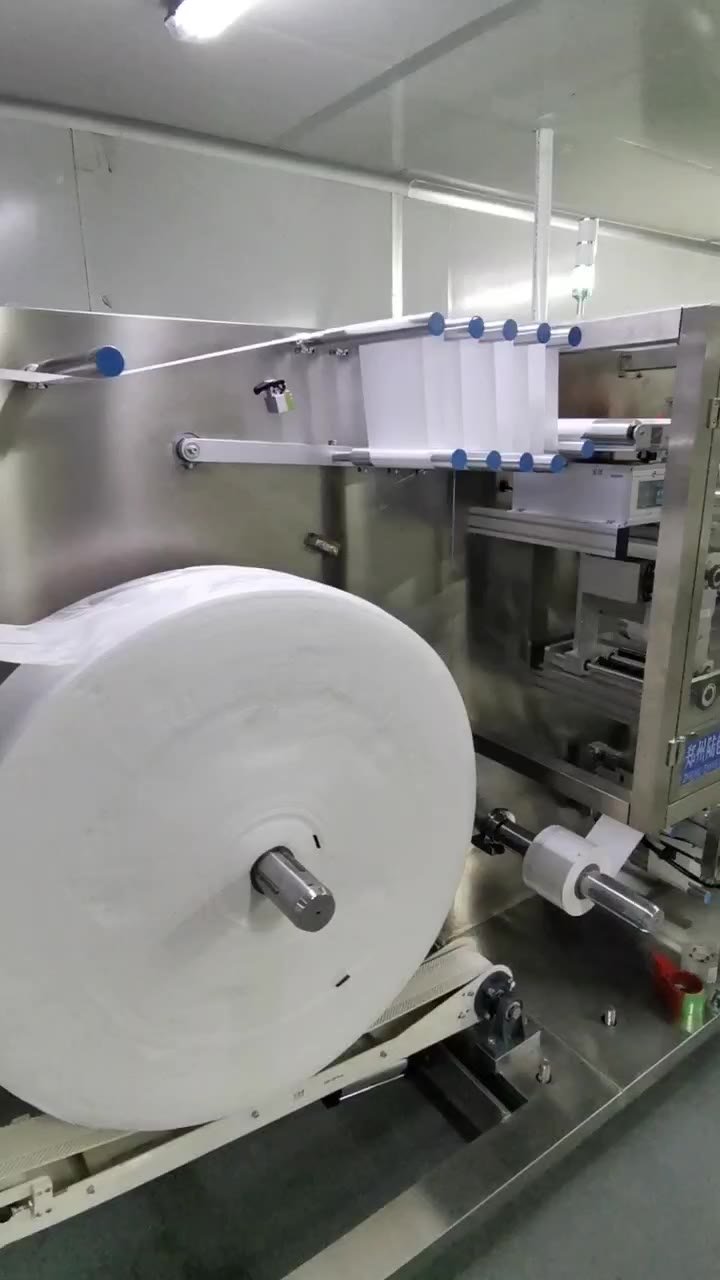
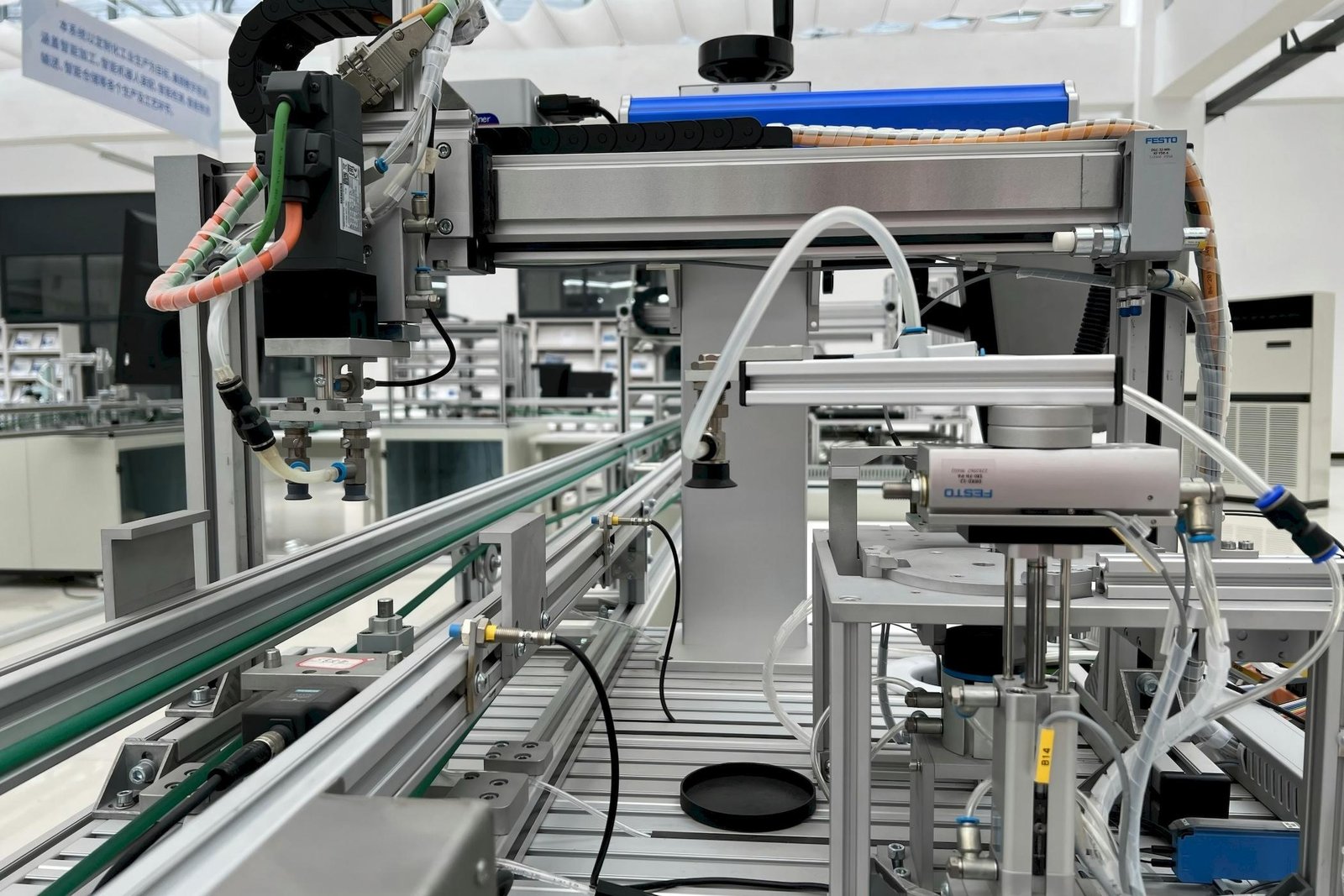
Your machine was commissioned with a specific fabric width, GSM, and tension. Change fabric without adjusting the machine and you will see folding errors, ragged cuts, and jams — the exact faults covered in our troubleshooting guide. Blade wear also changes with fiber blend; abrasive fabrics consume blades faster (plan your spare parts stock accordingly).

When you trial a new fabric, request enough material for a real production run — not a hand sample — and record the machine settings that work for each fabric you approve.

How to Vet a Fabric Supplier

Ask for: GSM tolerance in writing (±5% is reasonable), wet tensile strength data, consistency between sample roll and bulk delivery (the classic failure), and batch traceability. Chinese spunlace capacity is the largest in the world, with major production clusters in Zhejiang and Hubei — quality ranges from world-class to terrible, which makes verification the whole game.

Internal Links

  • /troubleshoot-common-wet-wipes-machine-errors/
  • /spare-parts-wet-wipes-machine/
  • /china-sourcing-agent-services/

CTA

Sourcing spunlace for your wipes line? Zhenbao Trade sources and quality-verifies non-woven fabric directly from Chinese mills — with lab data, pre-shipment inspection, and machine-compatibility checks against your equipment. Contact sales@zhenbaotrading.com.