When to Repair vs Replace an Aging Production Machine

The question every plant manager eventually faces

Sooner or later, every production machine reaches the age where each breakdown raises the same quiet question: do we keep fixing this, or is it time to replace it? It’s an uncomfortable decision because both answers feel expensive. Repair feels like throwing money at a sinking asset. Replacement feels like a capital request you’ll have to defend.

I work on both sides of this question — sourcing new equipment for buyers, and being honest with clients when a new machine isn’t the answer yet. What follows is the framework I use, stripped of emotion and based on the numbers and signals that actually matter.

Step 1: Read the signals, not the calendar

Age in years tells you very little. A well-maintained line at twelve years can outperform a neglected one at five. Look instead at these signals:

  • Downtime trend. Is unplanned downtime rising month over month? One bad month is noise. A six-month upward trend is a message.
  • Spare part availability. When the OEM discontinues a control board or a key wear part, your machine is on borrowed time. Sourcing obsolete parts gets slow and expensive, and counterfeit risk rises.
  • Output quality drift. If you’re scrapping more product or slowing the line down to hold quality, you’re already paying a hidden replacement cost in yield.
  • Energy and labor draw. Older machines often consume more power and need more operator babysitting. Those costs are real even when nothing is “broken.”
  • Safety and compliance. If guarding, controls, or emissions no longer meet current standards, repair may not even be a legal option.

When several of these signals point the same direction, the machine is telling you what to do.

Step 2: Run the total-cost-of-ownership math

Don’t compare the repair invoice to the new-machine price tag. That comparison always favors repair, and it’s misleading. Compare total cost of ownership over the next three to five years.

For the repair / keep path, add up: expected annual maintenance and parts, the cost of downtime (lost production × contribution margin per unit × hours), energy and labor premium, and scrap from quality drift.

For the replace path, add up: capital cost (amortized), installation and commissioning, training, and the savings — higher uptime, lower energy use, better yield, faster output, and lower maintenance.

A useful starting heuristic: if a single repair approaches 50% of the cost of replacement, and the machine is past the midpoint of its useful life with a rising downtime trend, replacement usually wins on a multi-year view. But run your own numbers — the heuristic only tells you when to do the math seriously.

Step 3: Consider the path most people forget — retrofit

Repair and replace aren’t the only two doors. A retrofit or rebuild often delivers most of the benefit at a fraction of the capital cost. Common high-value retrofits include:

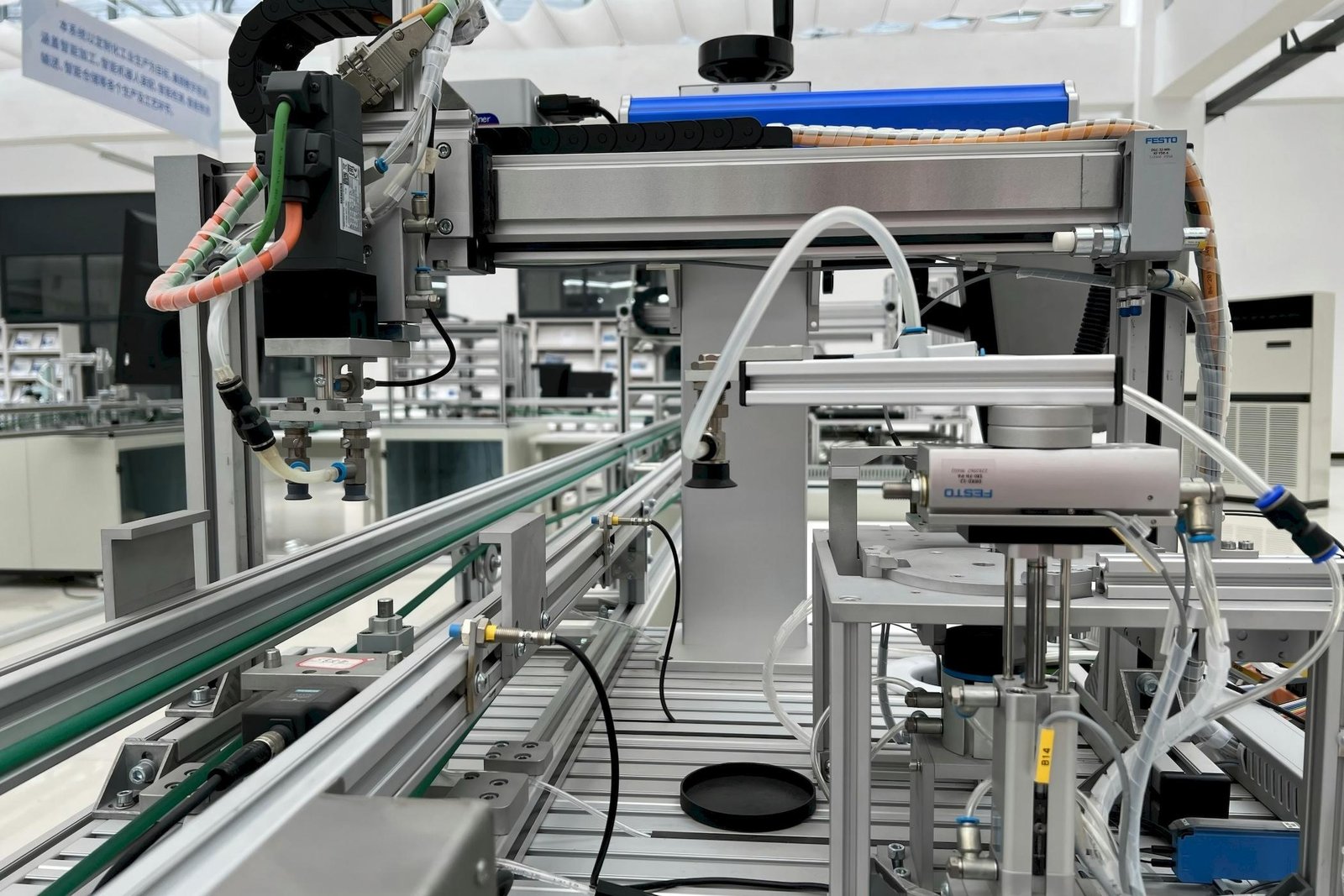
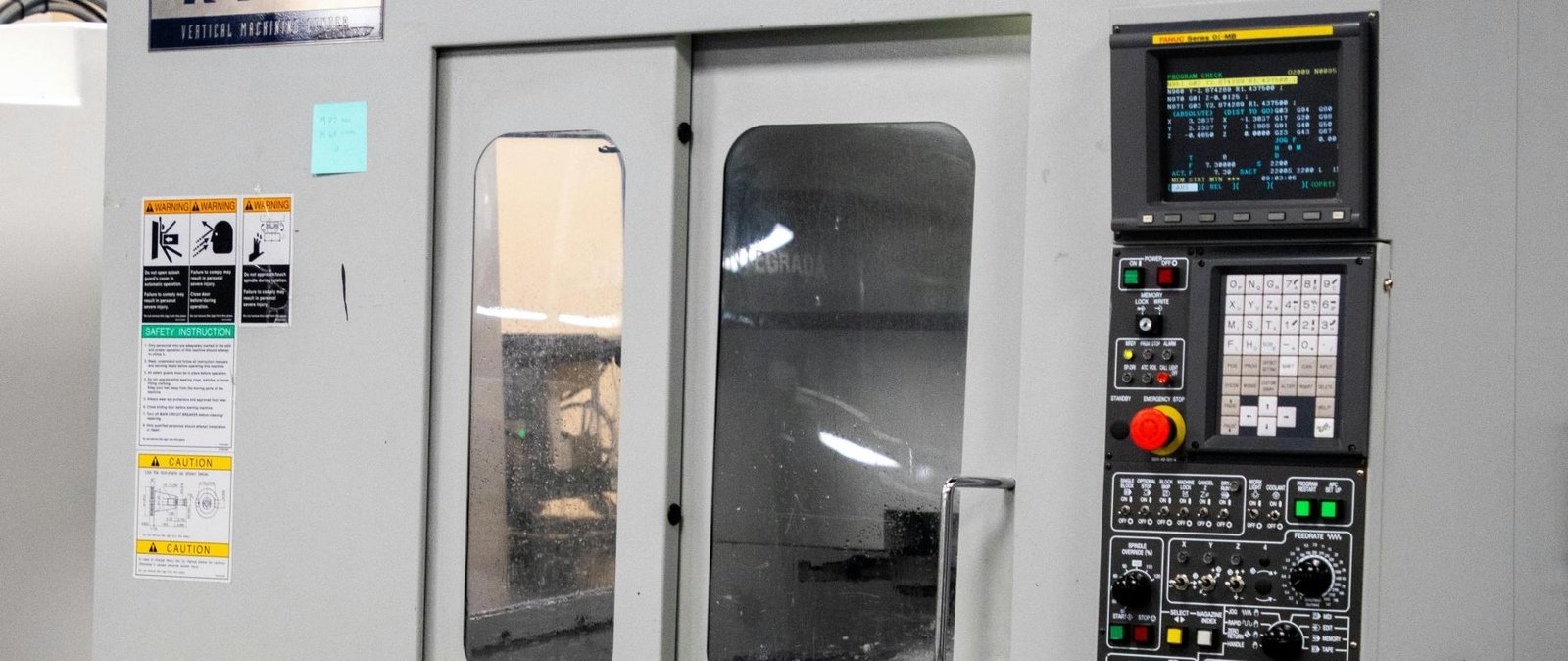
  • Replacing aging PLCs and drives with modern controls (often the single best ROI on an old machine — it restores reliability and adds data visibility).
  • Upgrading servos and motors for speed and energy efficiency.
  • Swapping mechanical systems for pneumatic or servo-driven equivalents at a specific bottleneck.
  • Adding sensors and monitoring to an otherwise sound mechanical frame.

If the frame and core mechanics are sound but the controls and a few subsystems are tired, a retrofit is frequently the smart middle path. If the frame itself is worn or the technology generation is simply obsolete, no amount of retrofit will save it.

Step 4: Factor in the things spreadsheets miss

Two strategic factors override the math in either direction. First, growth: if demand is rising and the old machine can’t reach the capacity or quality your market now needs, replacement is a growth decision, not a maintenance one. Second, risk concentration: if a single aging machine is a single point of failure for your whole output, the risk of catastrophic downtime can justify replacement even when the running costs look tolerable.

Making the call

Replace when downtime is trending up, parts are going obsolete, the TCO math favors new over a multi-year horizon, and the machine can’t meet where your business is heading. Repair or retrofit when the core is sound, parts are still available, and a targeted upgrade closes the gap. The worst decision is the one made in a panic during a breakdown — which is exactly why this analysis belongs in your planning, not your crisis.

At Zhenbao Trade, we help clients run this analysis honestly — including telling them when a retrofit beats a new machine. When replacement is the right call, we source the right line and stay with you through commissioning and beyond.