The Global Wet Wipes Market: Opportunities for New Manufacturers

A large, steady market that still has room for newcomers

The global wet wipes category is one of those rare consumer markets that is both very large and still open to new entrants. Across the major 2025–2026 market analyses, estimates of the category’s size vary widely depending on how broadly “wipes” is defined — from the low tens of billions of dollars upward — but the analysts broadly agree on the shape of it: steady mid-single-digit annual growth, no sign of saturation, and demand spread across baby care, personal care, household cleaning, disinfecting, industrial, and pet segments.

What makes this market genuinely interesting for a new manufacturer isn’t the headline size — it’s where the growth is and who is positioned to capture it. The big multinational brands dominate the shelves in mature Western markets, but the fastest growth and the most open competitive space sit elsewhere. That’s the opportunity this article is about.

What’s driving the growth

A few durable forces keep this market expanding rather than plateauing:

  • Hygiene as a habit, not a phase. The step-change in hygiene awareness over recent years didn’t reverse. Wipes moved from convenience item to everyday essential in millions of households, and that behavior has stuck.
  • Rising incomes in emerging markets. As disposable income grows across Southeast Asia, the Middle East, Africa, and Latin America, wet wipes shift from occasional to routine purchases — and these are exactly the regions growing fastest.
  • Segment proliferation. The category keeps inventing new uses: intimate wipes, makeup-removal wipes, disinfecting wipes, pet wipes, industrial and automotive wipes. Each new use case is a new shelf.
  • E-commerce and direct-to-consumer. Online retail is the fastest-growing sales channel, and subscription and DTC models let a new brand reach customers without first winning a place on a supermarket shelf — a structural lowering of the entry barrier.

The biggest opportunity: the sustainability shift

Here is the single most important opening for a new manufacturer entering now. Regulation is forcing the entire category toward plastic-free, biodegradable substrates. The United Kingdom has moved to ban plastic-containing wet wipes, the European Union is tightening rules on single-use plastics and microplastics, and consumer demand for plant-based, flushable-claim, and compostable wipes is rising worldwide.

This matters enormously for a newcomer. Established players carry the burden of legacy product lines and supply contracts built around conventional plastic-based nonwovens. A new manufacturer building a line today can design around plant-based substrates from day one — and arrive in the market already compliant with where regulation is heading, rather than scrambling to retrofit. In a category where the incumbents have to change, the newcomer who starts there has a real, defensible edge.

Where new manufacturers actually win

You don’t beat Procter & Gamble or Kimberly-Clark head-on for the mass shelf in North America. You win in the spaces they under-serve:

  • Fast-growing regional markets. Southeast Asia, the GCC, Latin America, and Africa are growing faster than mature markets and are far less locked up by global brands. A nimble regional manufacturer with local distribution can own a market the multinationals treat as an afterthought.
  • Niche and premium segments. Organic/natural and premium formulations are growing faster than conventional mass products. Pet wipes, sensitive-skin and dermatologically-tested lines, and specialty industrial wipes are higher-margin niches where brand loyalty is still up for grabs.
  • Private label and B2B supply. Not every opportunity is a consumer brand. Supplying private-label wipes to retailers, or finished/semi-finished product to other businesses, is a faster route to volume with lower marketing risk.

The practical entry question: what does it take to start?

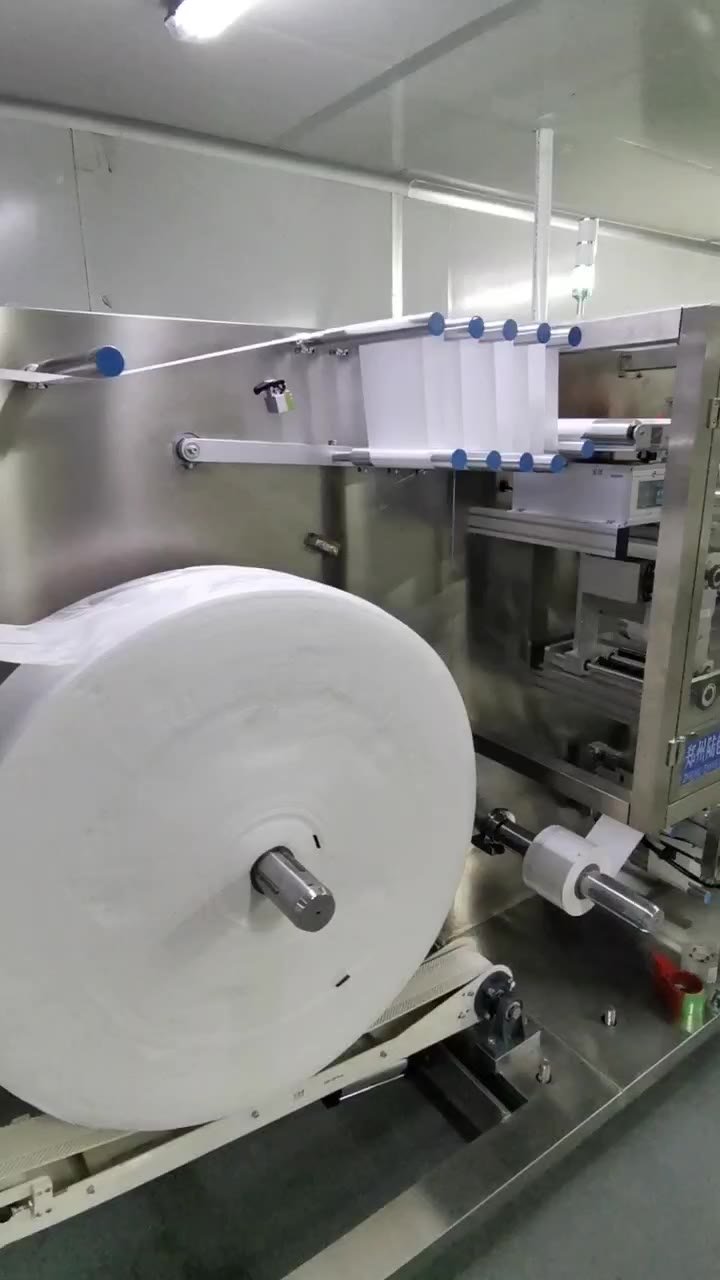
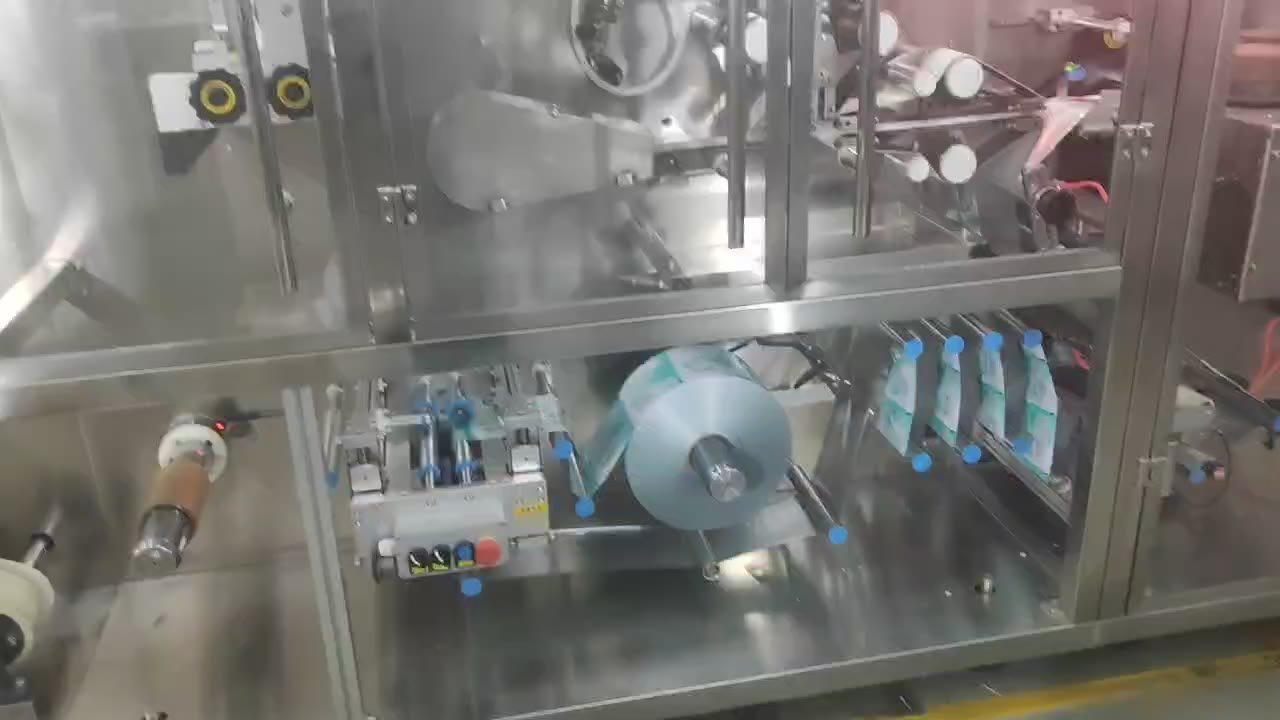
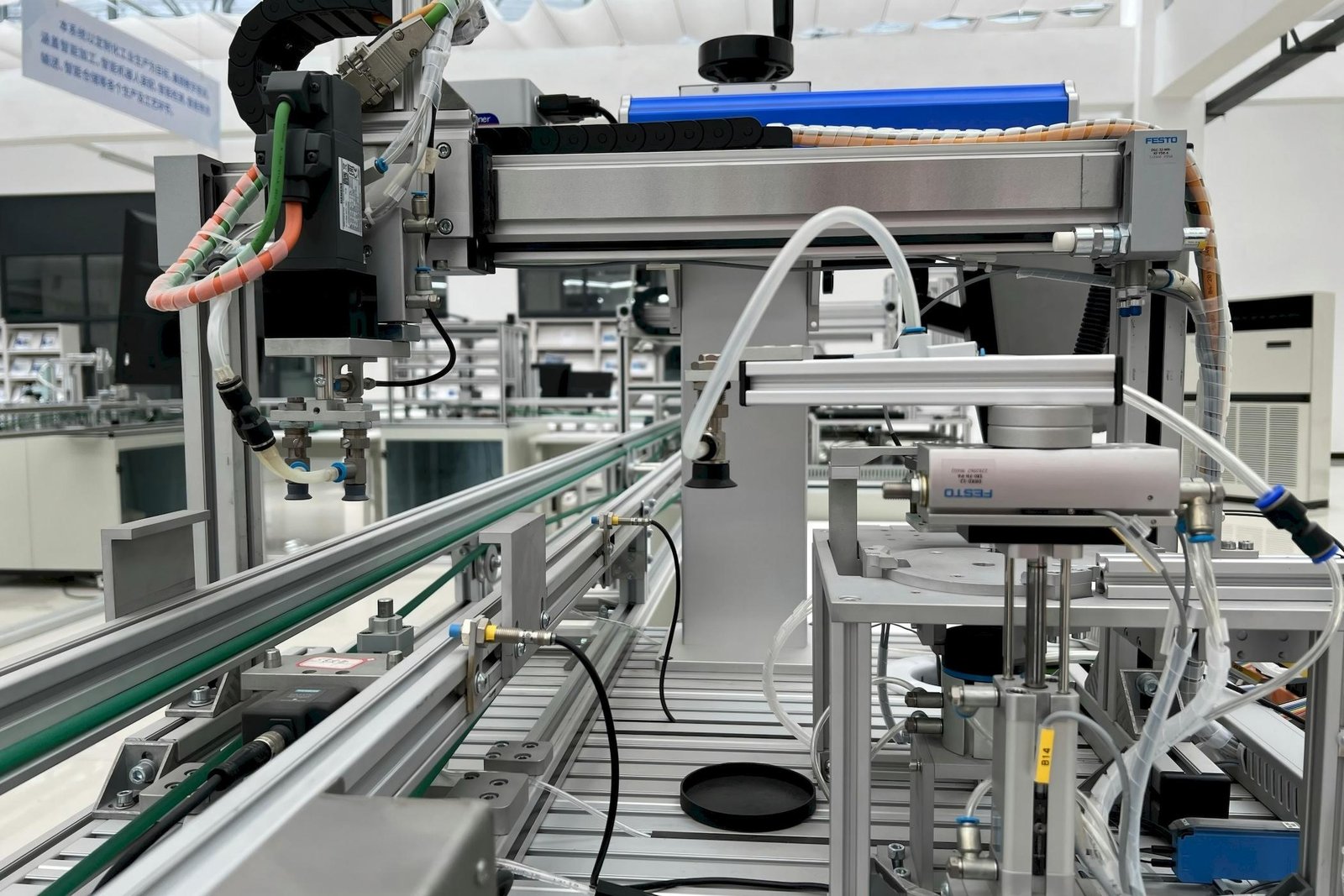
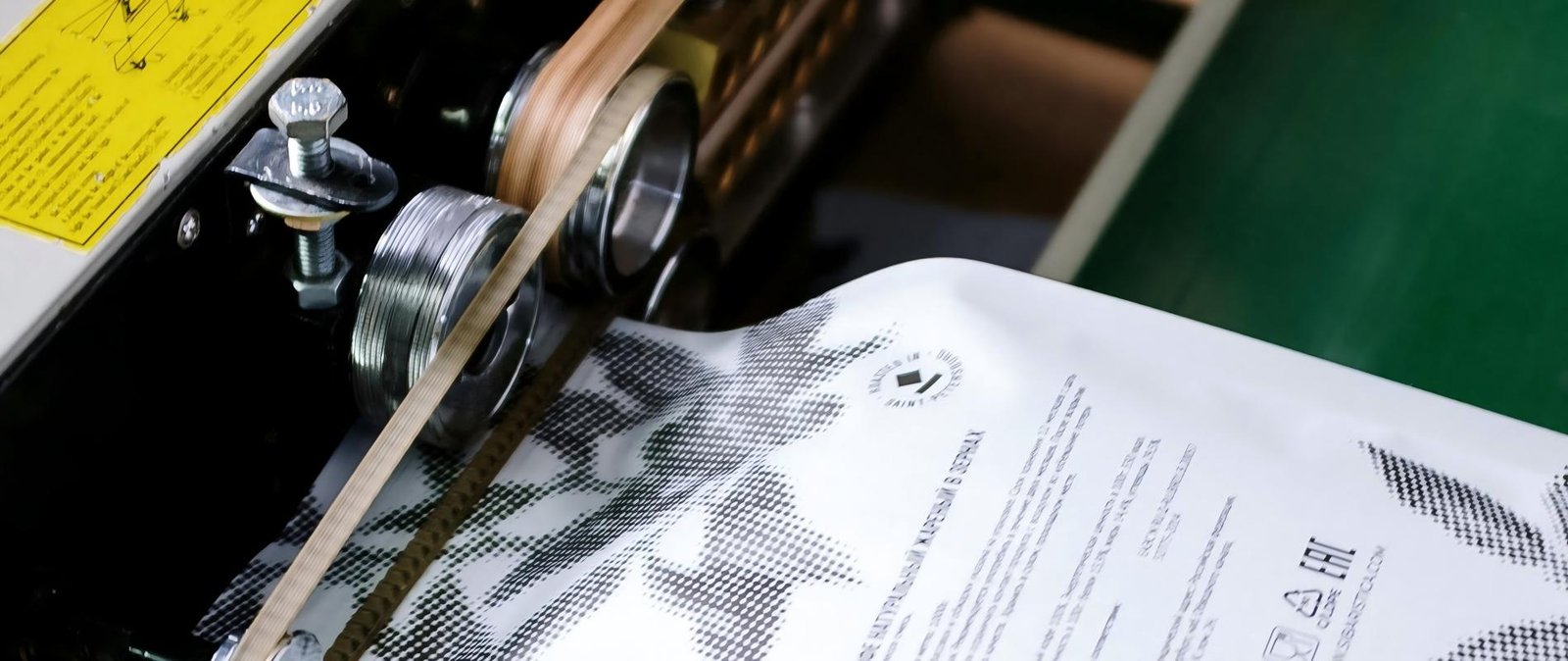
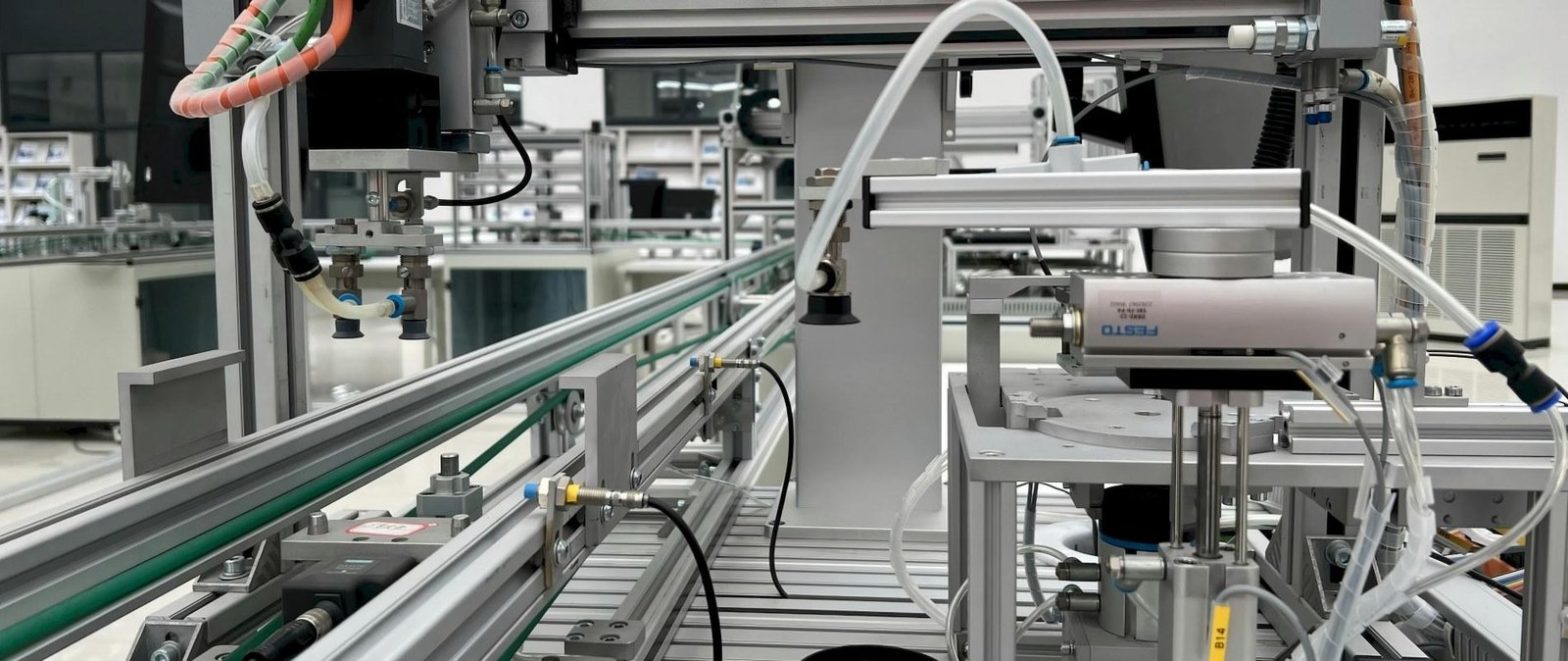
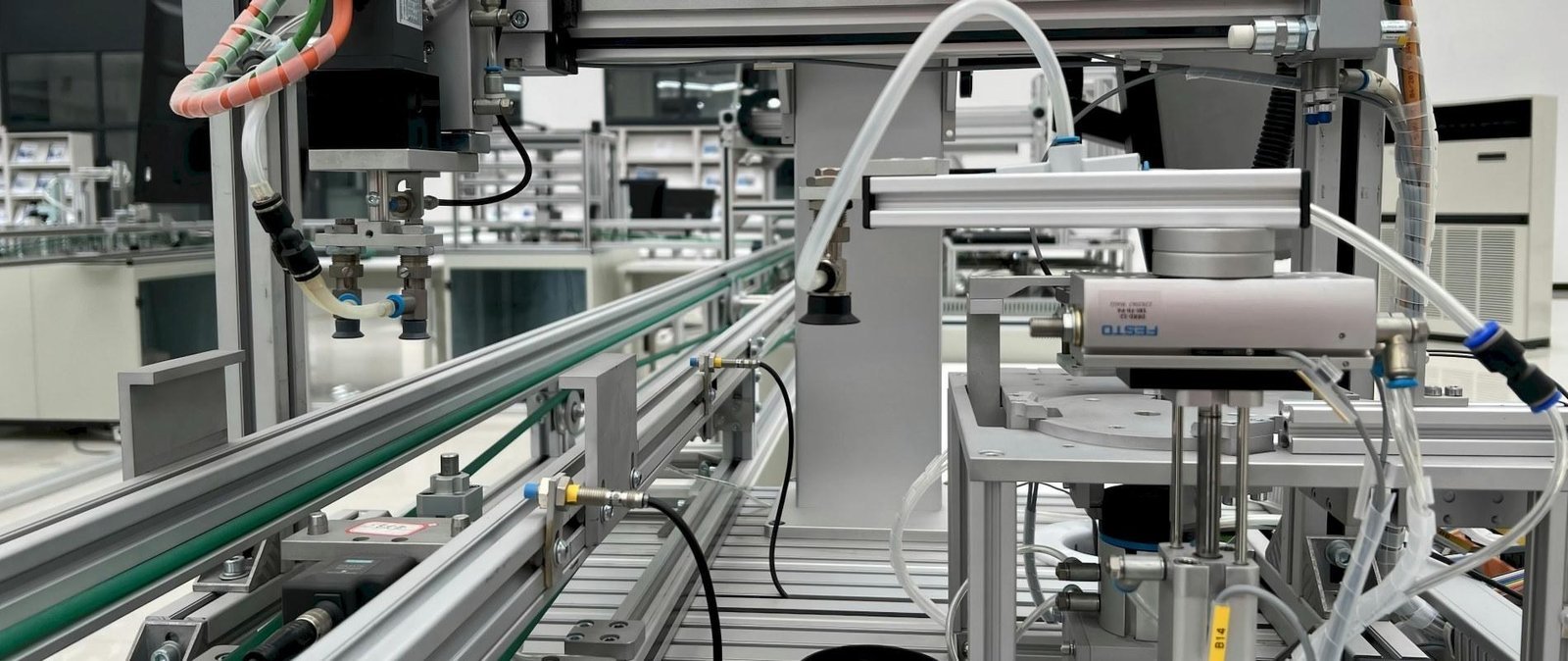
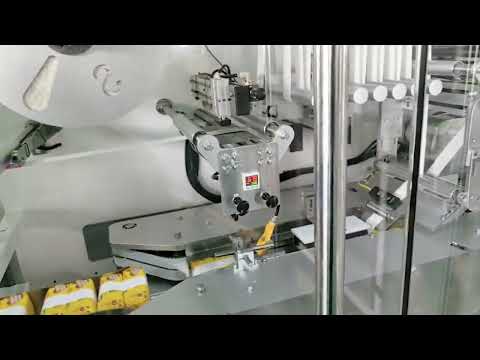
For most new entrants, the smart sequencing is to start focused and scale with proven demand. The equipment side is more accessible than many assume. A compact line — for example, a small-format wet wipes machine producing single- or multi-sheet packs at a few hundred packs per minute — lets a new manufacturer validate a product and a market without the capital of a full high-speed line. Once demand is proven, capacity can scale up modularly toward fold-and-fill and higher-output lines.

The variables that decide your economics are well understood: substrate choice (and increasingly, whether it’s biodegradable-ready), formulation, pack format, output speed, and labor. The buyers who succeed are the ones who get the specification right for their target market and their target price point — not simply the ones who buy the biggest machine.

The takeaway

The wet wipes market is large, growing steadily, and — unusually for a category this size — still genuinely open to new manufacturers who choose their position well. Don’t fight the incumbents on their turf. Enter where growth is fastest (emerging regional markets), where margins are best (niche and premium), and where the regulatory wind is at your back (biodegradable, plant-based). Build the line right for that position, and you’re not a late entrant — you’re an early mover in the version of this market that’s coming next.

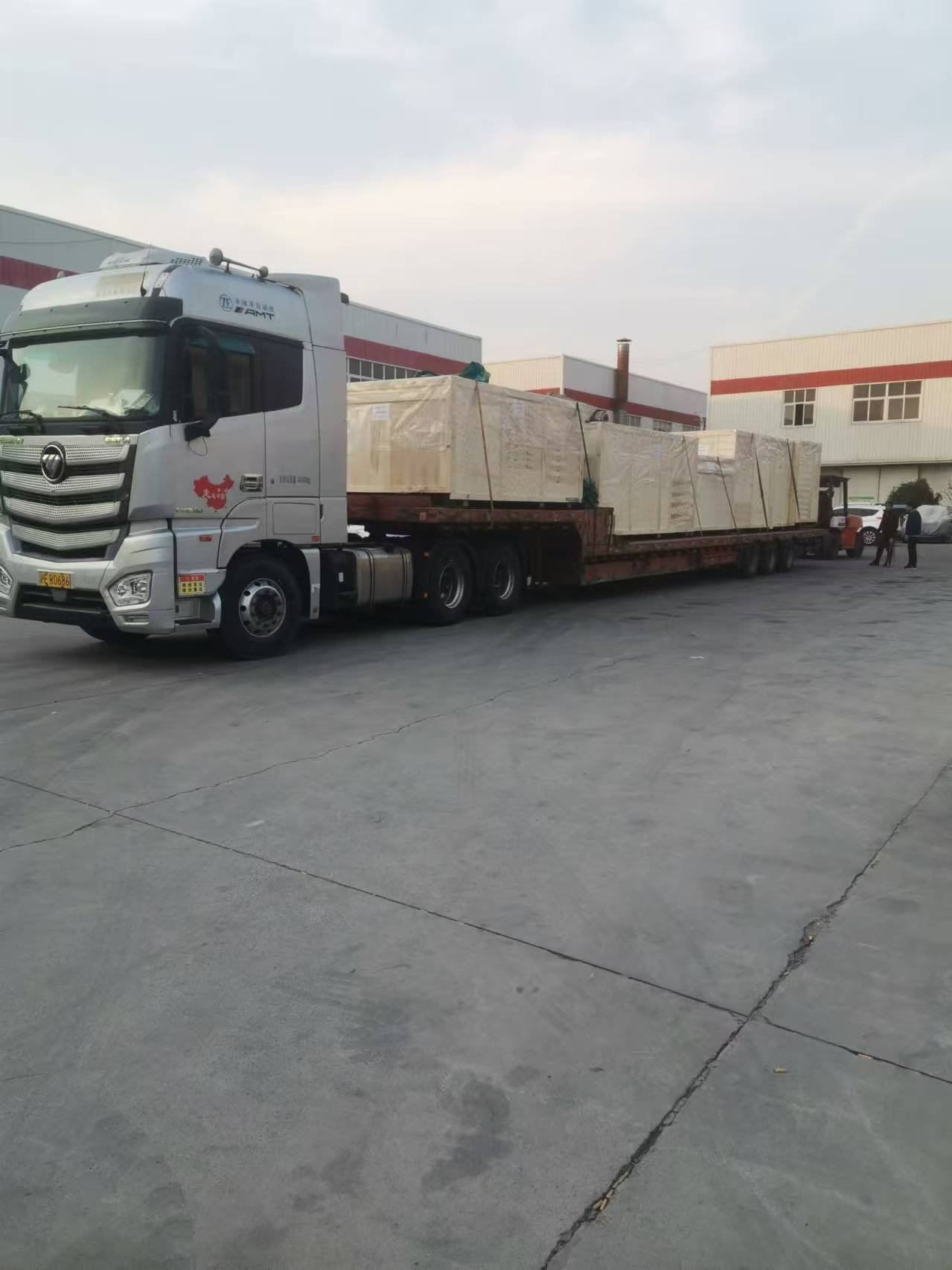
At Zhenbao Trade, this is exactly the conversation we have with clients entering the wipes business: which segment, which market, which specification, and which machine fits the plan — then we source the right line and stand behind it. If you’re weighing an entry into wet wipes manufacturing, let’s map it properly before you spend.