Ten years ago, if you wanted to start manufacturing wet wipes, you needed three things: a massive factory floor, a $300,000+ budget for equipment, and the confidence to commit to industrial-scale production before you’d sold a single pack.
That calculus has changed.
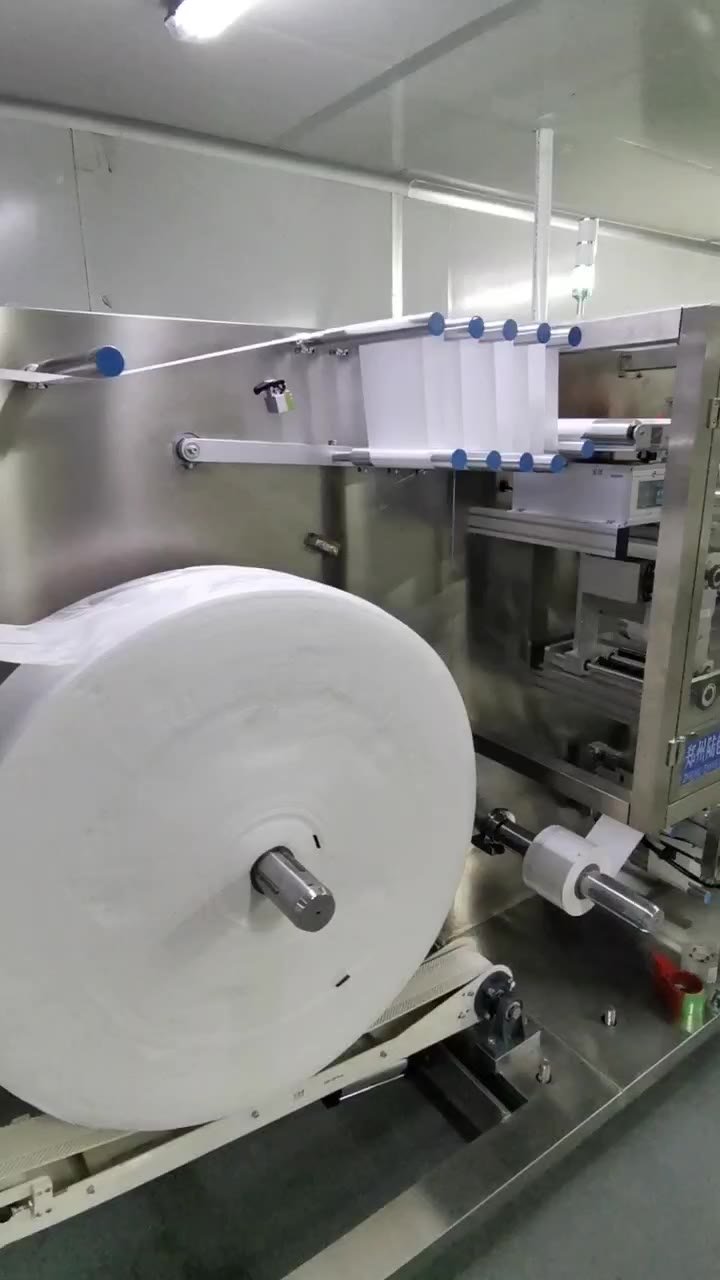
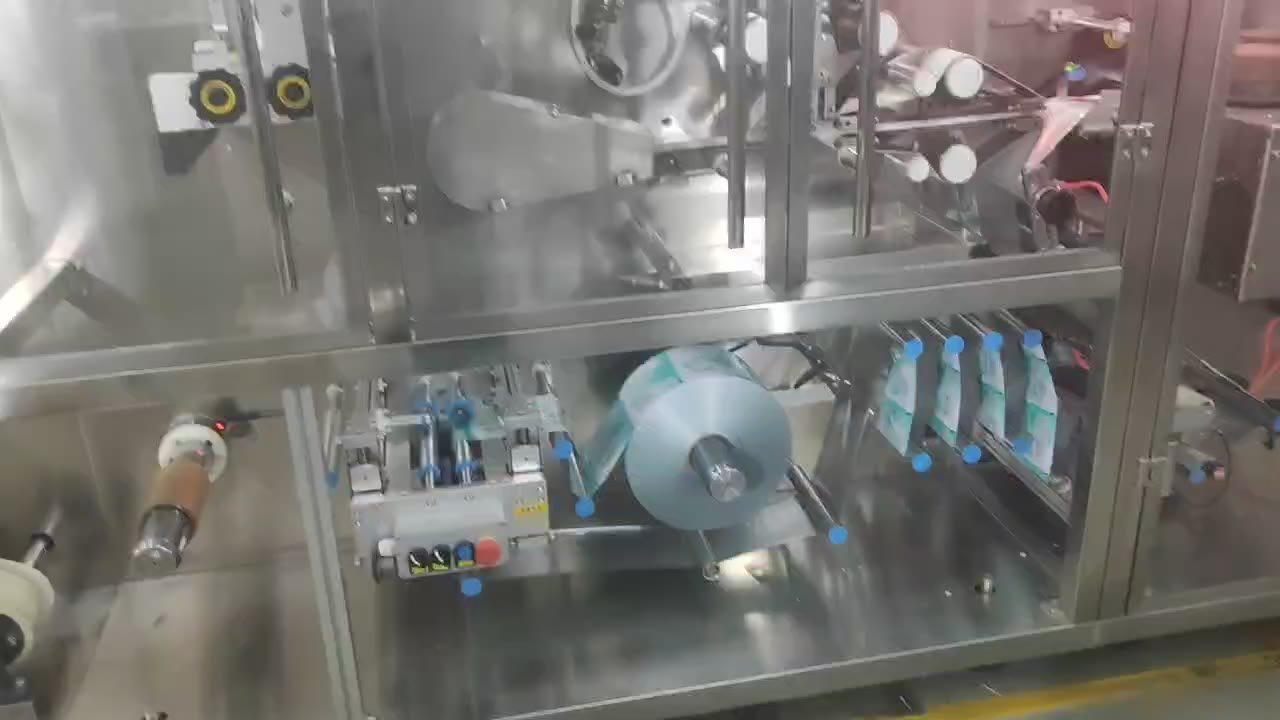
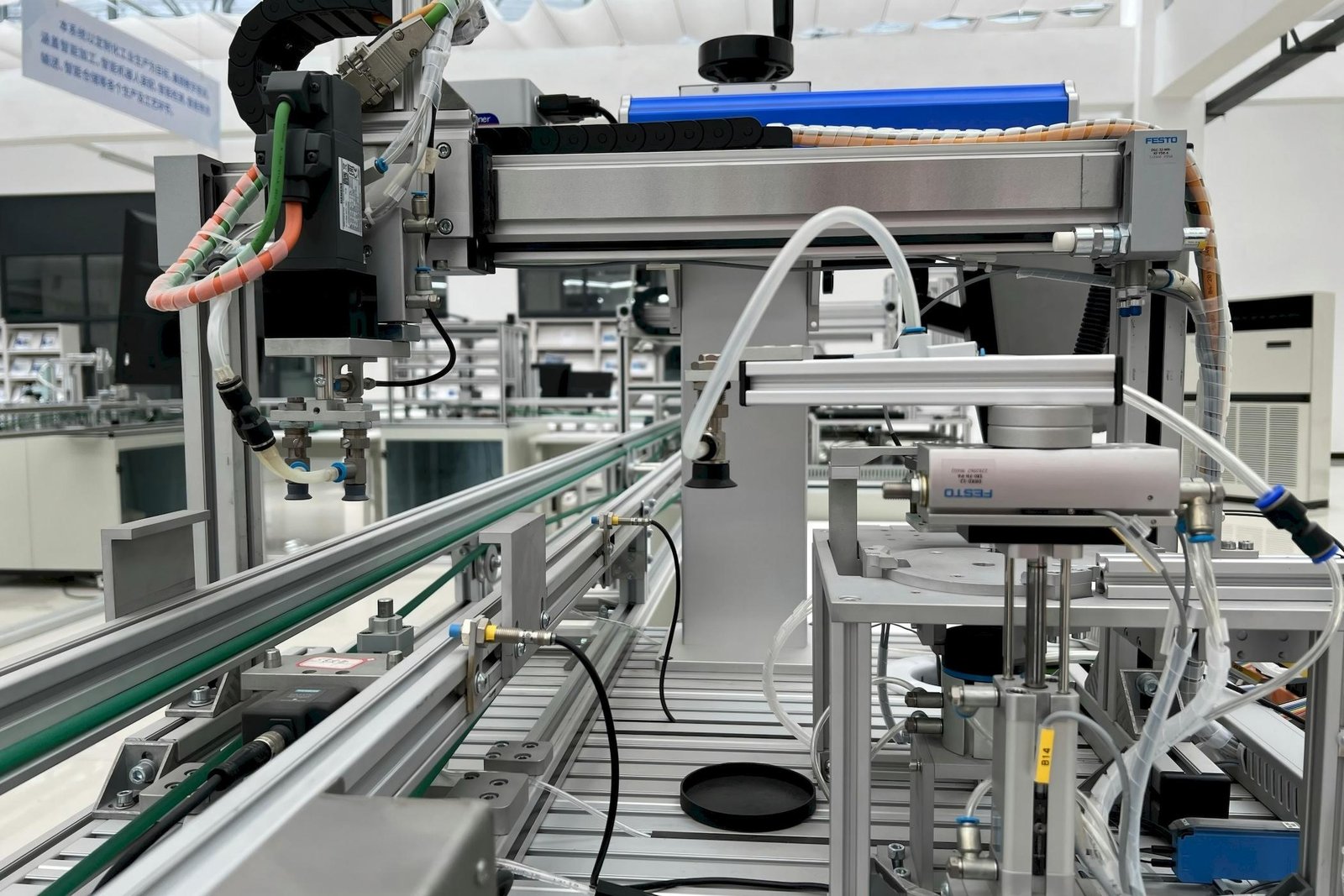
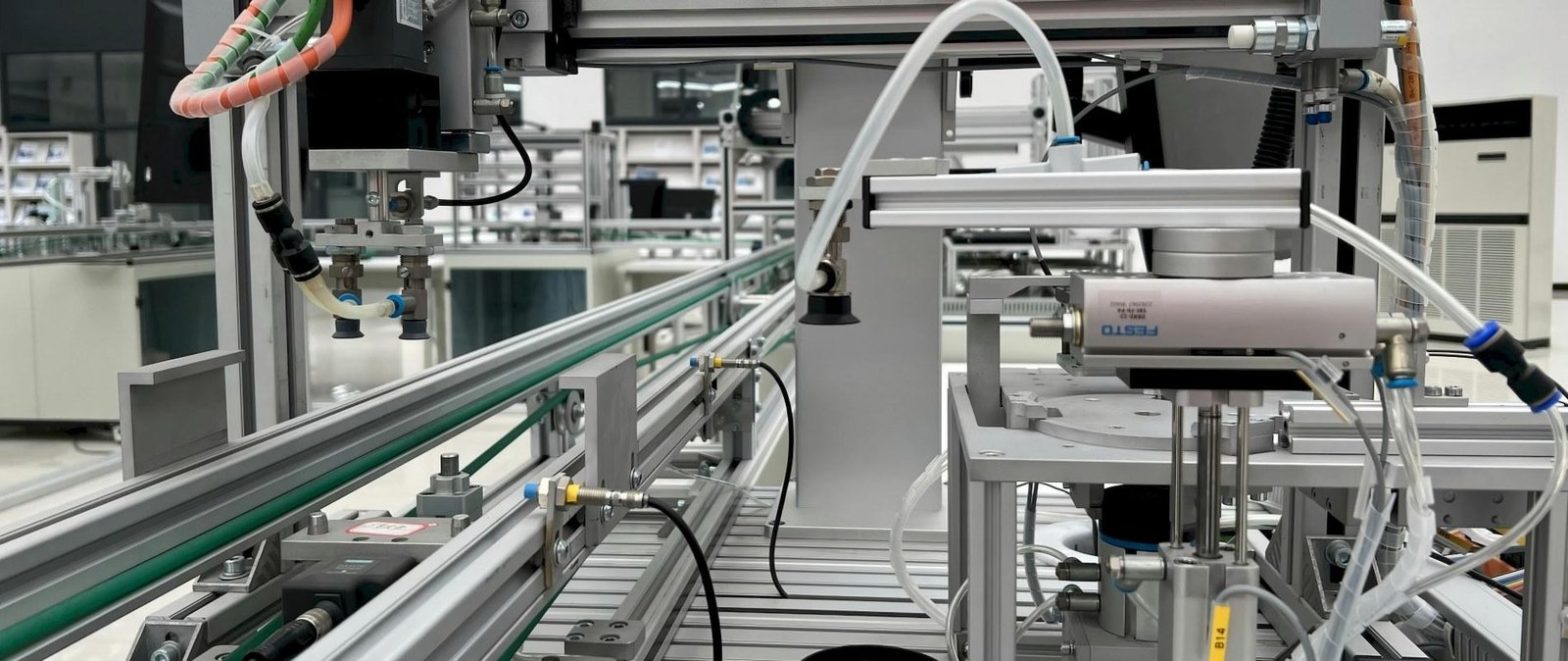
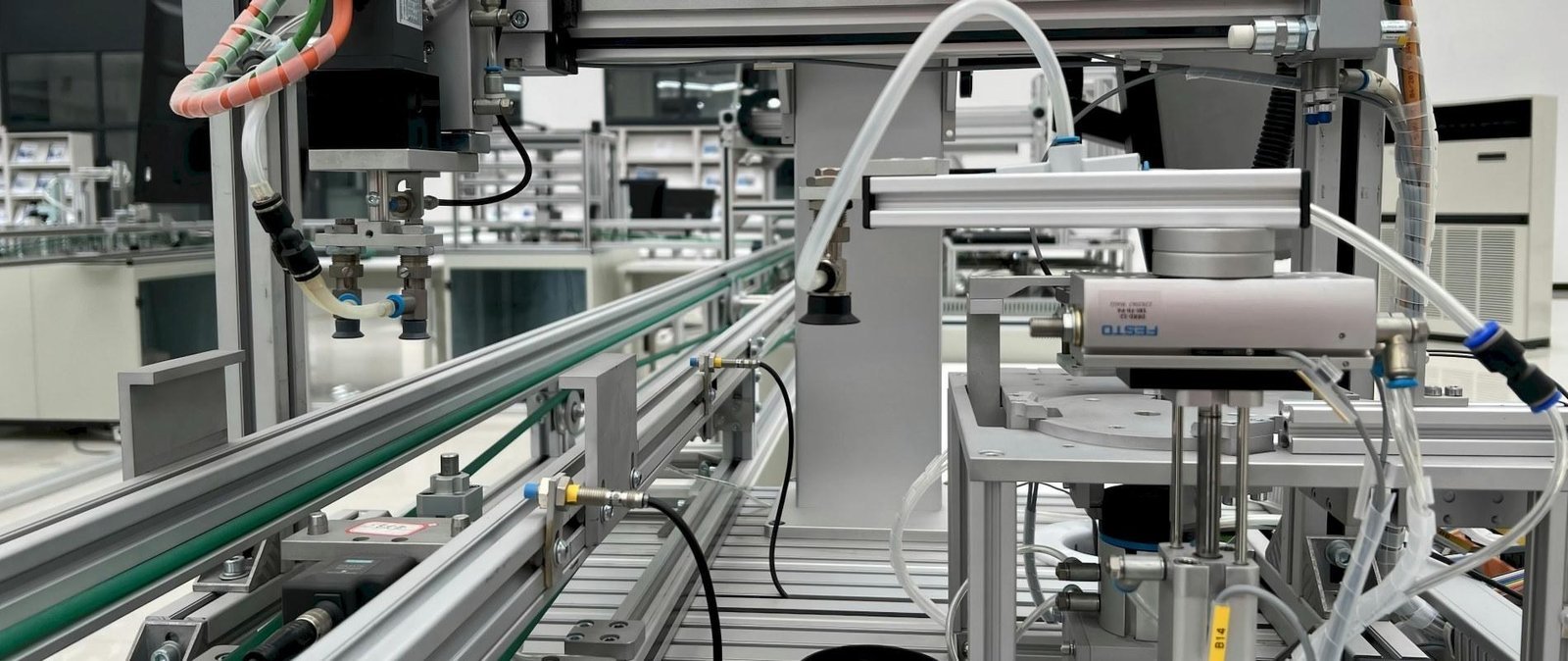
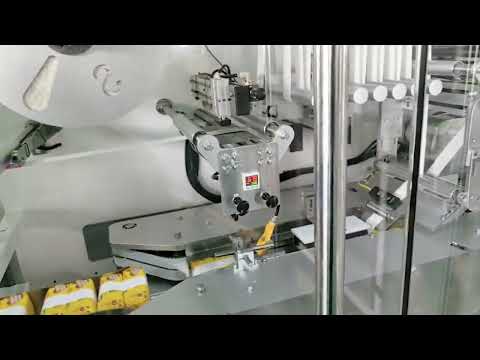
The super mini wet wipes production line—specifically machines like the WE-MF2—has made it possible for small and medium manufacturers to enter the market with a fraction of the capital, space, and risk.
I’ve worked with buyers from Russia to Southeast Asia who’ve used these compact lines to launch new product lines, test regional markets, and scale gradually instead of betting everything on day one.
Here’s what makes the super mini format a smart choice—and when it makes sense for your business.
What is a super mini wet wipes production line?
A super mini line is a fully integrated wet wipes manufacturing system designed for:
- Compact footprint: Occupies 30-40% less floor space than traditional industrial lines
- Mid-range capacity: Typically 80-120 packs per minute (enough for regional distribution or niche markets)
- Lower capital requirement: Roughly half the investment of full-scale industrial equipment
- Faster setup: Less complex installation and shorter training time for operators
The WE-MF2, for example, produces approximately 100 packs per minute, uses a Mitsubishi PLC control system, and is CE certified. It’s not a toy—it’s a serious production machine built for manufacturers who don’t need (or can’t yet justify) the output of a 300-ppm industrial line.
Who is this machine built for?
Super mini lines work best for:
- Manufacturers entering the wet wipes market for the first time
If you’re currently manufacturing other hygiene products (diapers, tissues, sanitary pads) and want to add wet wipes to your portfolio, a super mini line lets you test the market without overhauling your entire facility.
Real case: A tissue manufacturer in Tajikistan used a WE-MF2 to launch a wet wipes line targeting the Central Asian market. Production capacity of 100 ppm was enough to supply regional distributors while keeping capital costs manageable.
- Brands testing a new product or market
If you’re launching a new wet wipes product (baby wipes, antibacterial wipes, makeup remover wipes) and aren’t sure of demand yet, a super mini line lets you prove the concept before scaling up.
Real case: A skincare brand in Russia wanted to launch a premium makeup remover wipe. Instead of committing to a full industrial line, they started with a super mini line to produce small batches and test retail response. Once demand was proven, they scaled up.
- Regional distributors moving into manufacturing
If you’ve been importing and distributing wet wipes and now want to manufacture locally (to improve margins, control quality, or reduce import costs), a super mini line is often the right entry point.
- Manufacturers with limited floor space
If you’re working in an existing facility and don’t have room for a 50-meter production line, a super mini line gives you real manufacturing capability in a fraction of the space.
Key advantages of the super mini format
Lower capital requirement
A traditional industrial wet wipes line can cost $250,000-$400,000 depending on configuration. A super mini line like the WE-MF2 typically ranges from $114,000-$160,000 depending on whether you include optional modules like multipack packaging or laser coding.
That difference matters—especially if you’re self-funding or working with limited credit.
Faster ROI
Because your upfront investment is lower, you reach profitability faster.
Let’s do the math:
- Investment: $140,000 (super mini line with multipack module)
- Production capacity: 100 packs/minute = 6,000 packs/hour
- Operating 8 hours/day, 20 days/month = 960,000 packs/month
- Profit per pack: $0.10 (conservative estimate after materials, labor, overhead)
- Monthly profit: $96,000
- Payback period: ~1.5 months of full production
Obviously, real-world conditions vary (ramp-up time, market demand, pricing, etc.), but the point stands: a lower investment means you need less volume to break even.
Lower risk when testing markets
If you’re not sure whether your product will succeed, committing $140,000 is a lot less painful than committing $350,000.
And if the product does succeed, you can always add a second super mini line (for redundancy and increased capacity) or upgrade to a full industrial line later.
Easier to operate and maintain
Super mini lines are less complex than industrial-scale systems. That means:
- Shorter training time for operators
- Fewer things that can go wrong
- Lower maintenance costs
- Easier to source spare parts
If you’re in a region without a deep pool of wet wipes manufacturing expertise, this simplicity matters.
What to watch out for
Super mini lines are a great fit for many manufacturers—but they’re not right for everyone. Here are the limitations you need to understand before ordering:
Limited scalability within the machine
A super mini line produces 80-120 ppm. If your market demand grows beyond that, you can’t just “turn up the speed”—you’ll need to add more lines or upgrade to a higher-capacity machine.
(That said, adding a second identical line is often smarter than buying one massive line, because it gives you redundancy and flexibility.)
Not cost-effective for very high volumes
If you’re already sure you need to produce 200+ packs per minute from day one, a super mini line won’t make sense. You’ll end up needing two machines when one industrial line would be more efficient.
Customization options are more limited
Super mini lines are somewhat standardized. If you need highly specialized pack formats, unusual wipe sizes, or complex multipack configurations, you may need a custom-built industrial line instead.
Real-world performance: What to expect
I work with buyers who’ve installed WE-MF2 super mini lines in Russia, Tajikistan, and other markets. Here’s what actual operators report:
Capacity: 90-105 packs per minute in real-world conditions (vs. 100 ppm rated capacity). The variance depends on pack size, wipe type, and operator experience.
Uptime: 85-92% uptime after the first month of operation (once operators are trained and initial adjustments are made).
Changeover time: 30-45 minutes to switch between different pack sizes or wipe formulations.
Operator requirement: 2-3 workers per shift (one for feeding materials, one for monitoring the line, one for packing finished product).
These are real numbers—not marketing claims.
Configuration options to consider
When ordering a super mini line, you’ll typically choose from these modules:
Multipack packaging module
Bundles individual packs into multipacks (e.g., 3-pack, 5-pack, 10-pack). Adds approximately $25,000-$45,000 to the base price but increases retail appeal and margins.
Recommendation: If you’re selling through retail channels, this is worth it. If you’re only selling single packs to distributors, you can skip it.
Laser coding machine
Prints production dates, batch numbers, and expiration dates directly on packaging. Costs around $5,800-$11,600 depending on configuration.
Recommendation: Essential for export markets and retail compliance. Don’t skip this unless you’re only producing for a very informal local market.
Automatic feeding systems
Reduces labor requirement by automating material feeding. Adds $8,000-$15,000.
Recommendation: Nice to have, but not critical for a startup operation. You can add this later as volume grows.
How to calculate whether a super mini line makes sense for you
Here’s a simple decision framework:
Choose a super mini line if:
- Your target production is under 150 packs/minute
- You’re entering the market for the first time or testing a new product
- Your facility has limited floor space
- You want to minimize upfront capital and risk
- You’re in a regional market where 100 ppm is sufficient to meet demand
Choose a full industrial line if:
- You’re confident you need 200+ packs/minute from day one
- You have existing distribution channels that can absorb high volume immediately
- You have the capital, floor space, and technical expertise to manage a complex system
- Your market is highly competitive and requires the lowest possible per-unit cost
Choose to wait if:
- You’re not sure there’s demand for your product yet (validate with smaller batches or contract manufacturing first)
- You don’t have a clear plan for distribution
- Your budget is stretched so thin that a machine breakdown would be catastrophic What to look for when buying
If you decide a super mini line is right for you, here’s what to verify before placing an order:
Control system: Confirm the PLC brand (Mitsubishi, Siemens, and Omron are reliable; unknown Chinese brands are riskier).
Certifications: CE certification is standard. If you’re exporting to specific markets, check whether additional certifications are required.
Spare parts availability: Ask the supplier for a recommended spare parts list and lead times. Order critical parts with the machine.
After-sales support: Confirm who will provide installation support, operator training, and troubleshooting. If the factory is in China and you’re in Latin America, you need a clear support plan.
Warranty terms: Standard is 12 months for the machine (excluding consumable parts like blades and belts). Make sure warranty terms are written clearly in the contract.
How we help buyers choose and install the right equipment
At Zhenbao Trading, we work with manufacturers who are sourcing wet wipes equipment for the first time.
We help you:
- Determine whether a super mini line or industrial line is the right fit for your business
- Vet factories and verify machine specs
- Negotiate pricing and terms
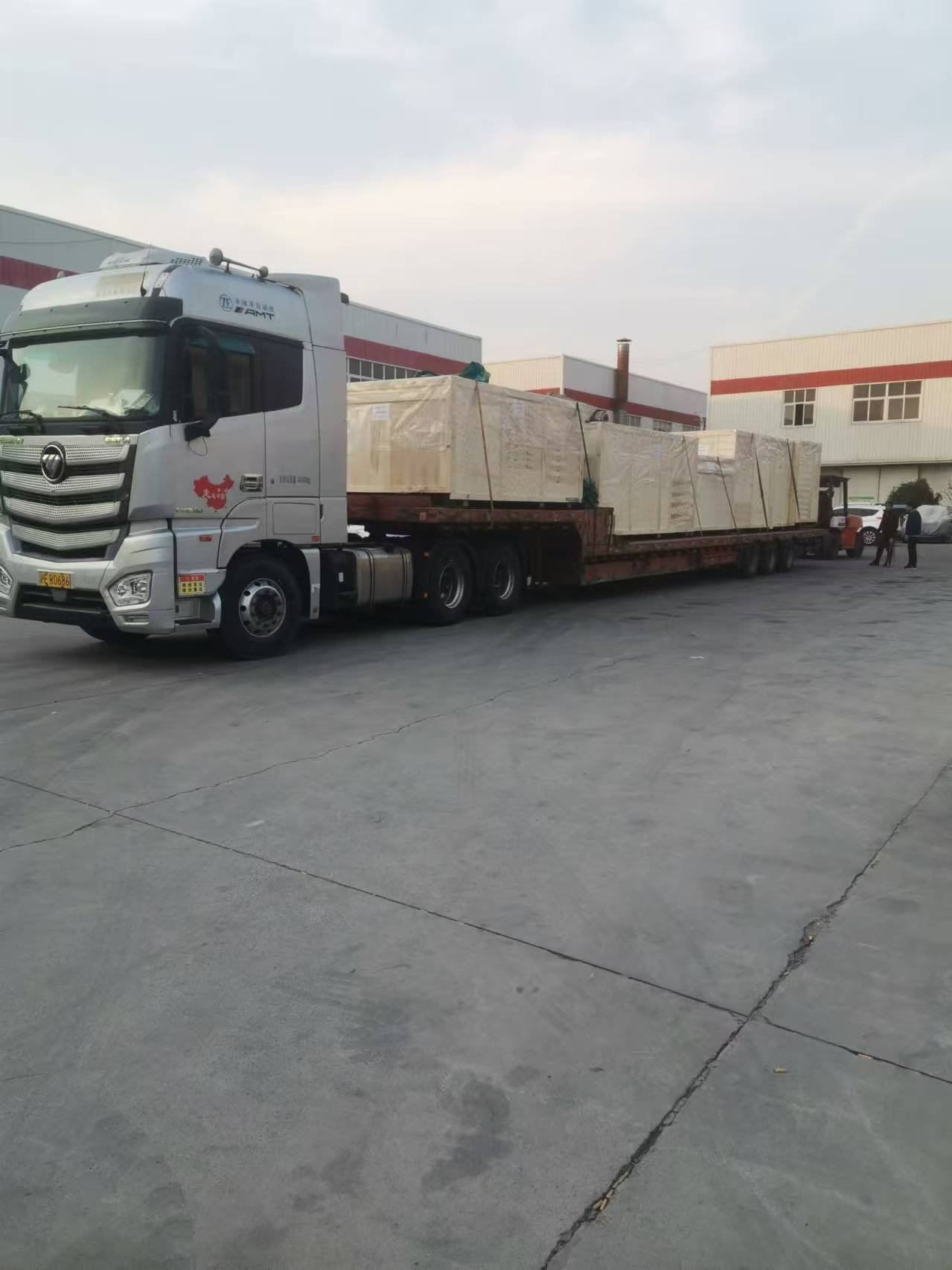
- Coordinate inspections, testing, and logistics
- Troubleshoot installation and training
We’ve worked with buyers in Russia, Tajikistan, Southeast Asia, and the Middle East. Our goal is to make sure you get equipment that actually matches your needs—not just the equipment a factory wants to sell you.
If you’re considering a wet wipes production line, let’s talk about what makes sense for your specific situation.
Contact: sales@zhenbaotrading.com | WhatsApp: +852 9702 5284