5 Common Mistakes Buyers Make When Importing Machinery from China

Importing machinery from China can save you 30-50% compared to Western suppliers—but only if you avoid the mistakes that turn a good deal into an expensive disaster.

After 15 years helping buyers source equipment from China, I’ve seen the same costly errors over and over. The good news? They’re all preventable if you know what to watch for.

Here are the five mistakes that cost buyers the most money—and how to avoid them.

Mistake 1: Skipping Factory Verification Because “They Have Alibaba Gold Supplier Status”

The Problem:

Many buyers think that Alibaba badges, trade assurance, or a professional-looking website mean a supplier is legitimate and capable.

That’s not always true.

I’ve seen buyers send deposits to “manufacturers” who turned out to be trading companies with no factory. The equipment they received was assembled from random parts, with no quality control and zero after-sales support.

Real Example:

A buyer in Indonesia ordered a food packaging machine from a supplier with 8 years on Alibaba and a Gold Supplier badge. After paying 50% deposit, they discovered the “factory” was actually a small trading office that outsourced production to the cheapest subcontractor. The machine arrived with mismatched components and broke down within 2 weeks.

How to Avoid It:

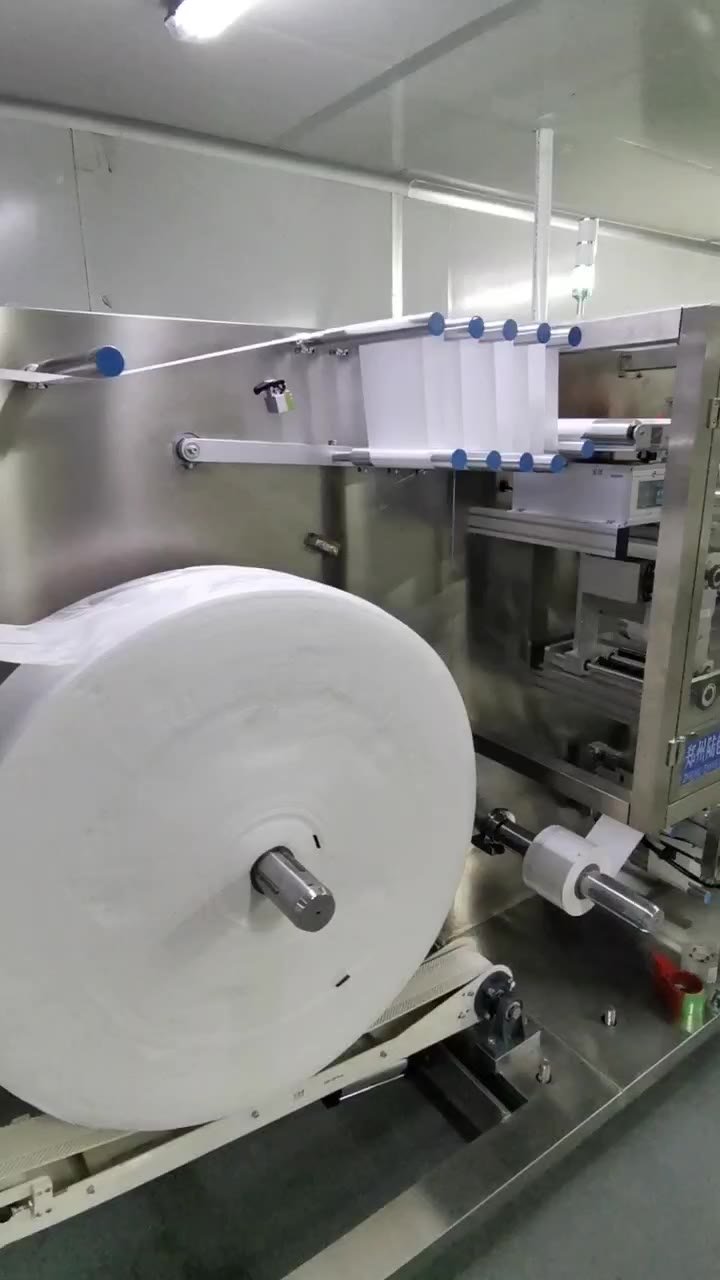
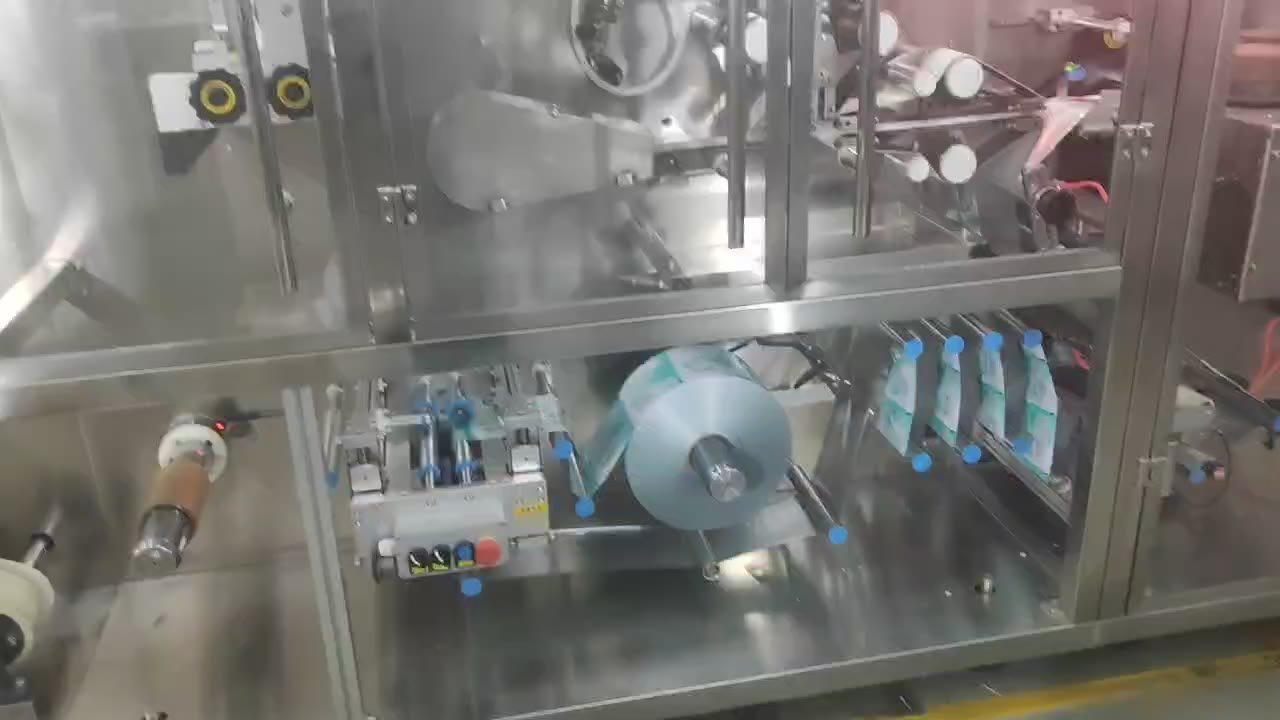
✓ Request a video factory tour via WhatsApp or WeChat showing:

  • The production floor with machines actively running
  • The quality control area
  • Finished products with your target machine model visible

✓ Verify the business license matches the factory name and address

✓ Ask for references from buyers in your region who purchased the same equipment

✓ Use a third-party inspection service before shipment—or work with a sourcing agent who can visit the factory in person

A 2-hour factory verification can save you from a $50,000 mistake.

Mistake 2: Choosing the Supplier with the Lowest Price

The Problem:

When you get 5 quotes for the same wet wipes machine ranging from $35,000 to $55,000, it’s tempting to go with the cheapest.

But there’s almost always a reason one quote is 40% lower:

  • Lower-quality components (generic PLC instead of Mitsubishi or Siemens)
  • No after-sales support or training included
  • Missing key features you’ll need later
  • They’re a broker marking up a low-quality machine, not a manufacturer

Real Example:

A client in Mexico received quotes for a wet wipes machine: $42,000 from Supplier A, $55,000 from Supplier B. They chose Supplier A to save $13,000.

Six months later:

  • The generic PLC failed and replacement parts took 8 weeks to source
  • The supplier offered no technical support (“sorry, warranty expired”)
  • They had to spend $8,000 on local technicians to keep it running

They would have broken even in 18 months with Supplier B’s higher-quality machine and lifetime support—instead they lost production time and spent more on repairs.

How to Avoid It:

✓ Compare line-item specifications, not just total price:

  • Control system brand (Mitsubishi vs. generic)
  • Motor brands
  • Sensor quality
  • Frame material (stainless steel grade)

✓ Ask what’s included:

  • Installation and commissioning?
  • Operator training (how many days)?
  • Spare parts kit?
  • Warranty duration and what it covers?

✓ Request client references who bought at that price point

The best value is not the lowest price—it’s the best quality-to-cost ratio with reliable support.

Mistake 3: Not Clarifying Incoterms and Hidden Costs

The Problem:

You see a quote for “$45,000” and think that’s your total cost.

Then reality hits:

  • The price was FOB (freight not included)
  • You need to pay separately for inland shipping in China, customs clearance, port fees, import duties, and delivery to your factory
  • The “simple” import process costs you an extra $8,000-$12,000 you didn’t budget for

Real Example:

A buyer in the Philippines thought they were paying $50,000 total for a machine quoted “FOB Shanghai.”

Their actual costs:

  • Machine: $50,000
  • Freight to Manila: $3,200
  • Import duties (10%): $5,000
  • Customs clearance & port fees: $1,500
  • Inland delivery: $800
  • Total: $60,500 (21% over budget)

They didn’t have the extra cash ready and had to delay production for 6 weeks while securing additional financing.

How to Avoid It:

✓ Clarify the Incoterm in your quote request:

  • FOB (Free On Board) = you arrange and pay for shipping from Chinese port
  • CIF (Cost, Insurance, Freight) = supplier delivers to your port, you handle customs
  • DDP (Delivered Duty Paid) = supplier handles everything to your door (most expensive but no surprises)

✓ Ask for a full cost breakdown including:

  • Export documentation fees
  • Estimated freight (even if it’s an estimate)
  • Packaging/crating charges

✓ Research your country’s import duties for machinery (usually 0-15% depending on country and HS code)

✓ Budget an extra 15-20% beyond the quoted machine price for total landed cost

Ask your supplier: “What is my total cost to get this machine to my factory door in [your city]?” Get it in writing.

Mistake 4: Skipping Pre-Shipment Inspection

The Problem:

You pay the 70% balance, the supplier says “machine is ready,” and you authorize shipment.

Then it arrives and you discover:

  • Critical components are missing
  • The machine doesn’t match the spec you agreed on
  • There’s damage from poor packaging
  • It doesn’t run at the promised speed

At this point, you’ve already paid 100%. Getting the supplier to fix problems is now a nightmare involving lawyers, disputes, and months of back-and-forth—while your machine sits unusable.

Real Example:

A buyer in Saudi Arabia skipped inspection to “save time” and $300. The machine arrived with a control panel in Chinese only (they had requested English), missing 40% of the spare parts kit, and a cracked frame from poor packaging.

The supplier’s response? “You already paid and accepted shipment. This is your responsibility now.”

It took 4 months and $7,000 in local repairs to make the machine operational.

How to Avoid It:

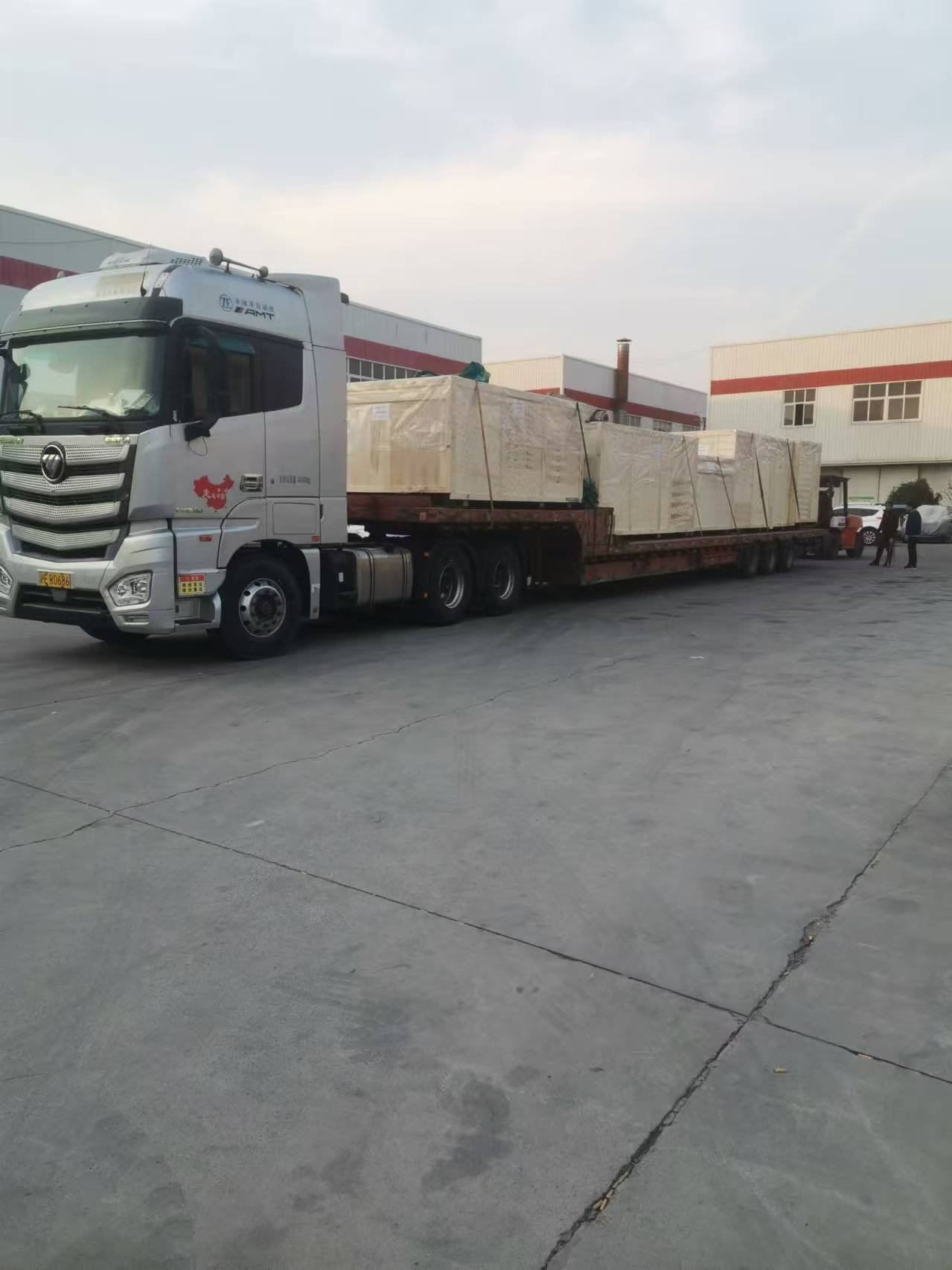
✓ Hire a third-party inspection company ($200-$500) to visit the factory before shipment and check:

  • Machine matches your agreed specifications
  • All components are present and functional
  • Machine runs at promised speed/output
  • Packaging is adequate for international shipping
  • All documentation (manuals, certificates) is included

✓ Make the final payment conditional on receiving a passing inspection report

✓ Request a video test run before shipment showing:

  • The machine running at full speed
  • All functions working (folding, cutting, packaging)
  • The control panel in your requested language

$300 for inspection vs. $7,000+ in repairs and lost time. Easy choice.

Mistake 5: Not Planning for After-Sales Support and Spare Parts

The Problem:

Your machine arrives and runs great for 3 months. Then a sensor fails.

You contact the supplier… and get slow responses, vague answers, or silence. When they finally respond, they say:

  • “Spare part shipping takes 6-8 weeks”
  • “That part is no longer available”
  • “You need to buy the whole assembly, not just the sensor”

Your production line sits idle for 2 months while you wait. You lose orders, credibility, and revenue.

Real Example:

A client in Vietnam bought a wet wipes machine with a generic PLC to save $3,000. When the PLC failed after 8 months, the replacement part was discontinued and unavailable in Asia. They had to retrofit a different PLC system, which cost $12,000 and 5 weeks of downtime.

If they’d bought the machine with a Mitsubishi PLC (standard, globally available), the replacement would have cost $800 and taken 3 days to source locally.

How to Avoid It:

✓ Ask about spare parts availability before buying:

  • Are critical parts (PLC, motors, sensors) from international brands available locally in your country?
  • Can you buy a spare parts kit upfront?
  • What’s the typical lead time for replacement parts?

✓ Choose machines with standard, globally-available components (Mitsubishi or Siemens PLC, not custom-branded controllers)

✓ Clarify after-sales support in the contract:

  • How do you reach technical support? (WhatsApp? Email? Response time SLA?)
  • Do they provide remote troubleshooting?
  • Can they send a technician if needed? (At what cost?)

✓ Order a spare parts kit at purchase for high-wear components:

  • Sensors
  • Belts
  • Blades/cutting tools
  • Seals and O-rings

The difference between 3 days of downtime and 2 months of downtime is planning ahead.

How to De-Risk Your China Machinery Purchase

Here’s the checklist I give every client:

Before you send a deposit:

  • [ ] Verify the factory is real (video tour or in-person visit)
  • [ ] Check business license and export history
  • [ ] Get at least 2 references from buyers in your region
  • [ ] Compare detailed specs, not just price
  • [ ] Clarify Incoterms and calculate total landed cost
  • [ ] Review contract terms for after-sales support and warranties

Before you send the balance payment:

  • [ ] Conduct pre-shipment inspection (third-party or agent)
  • [ ] Request video test run
  • [ ] Confirm all documents and spare parts are included
  • [ ] Verify packaging is adequate for shipping

Before the machine arrives:

  • [ ] Arrange customs clearance and import permits in advance
  • [ ] Prepare your facility (power, space, utilities)
  • [ ] Budget for installation and training

After delivery:

  • [ ] Test all functions with the supplier’s technician present (if included)
  • [ ] Document any issues immediately
  • [ ] Keep the supplier’s technical contact info saved The Bottom Line

Importing machinery from China is a smart business decision—if you avoid these five mistakes.

The buyers who succeed:

  • Don’t rush due diligence to save a few weeks
  • Don’t choose on price alone
  • Don’t skip factory verification and pre-shipment inspection
  • Don’t assume support will be easy once they have your money
  • Do plan for total landed cost and spare parts availability

A little extra time and money upfront (factory verification, inspection, spare parts kit) prevents expensive disasters later.

If you’re evaluating machinery suppliers in China for wet wipes equipment, food packaging machines, or other industrial equipment, we help buyers in Southeast Asia, the Middle East, and Latin America navigate these exact challenges every week—from factory verification to installation support.