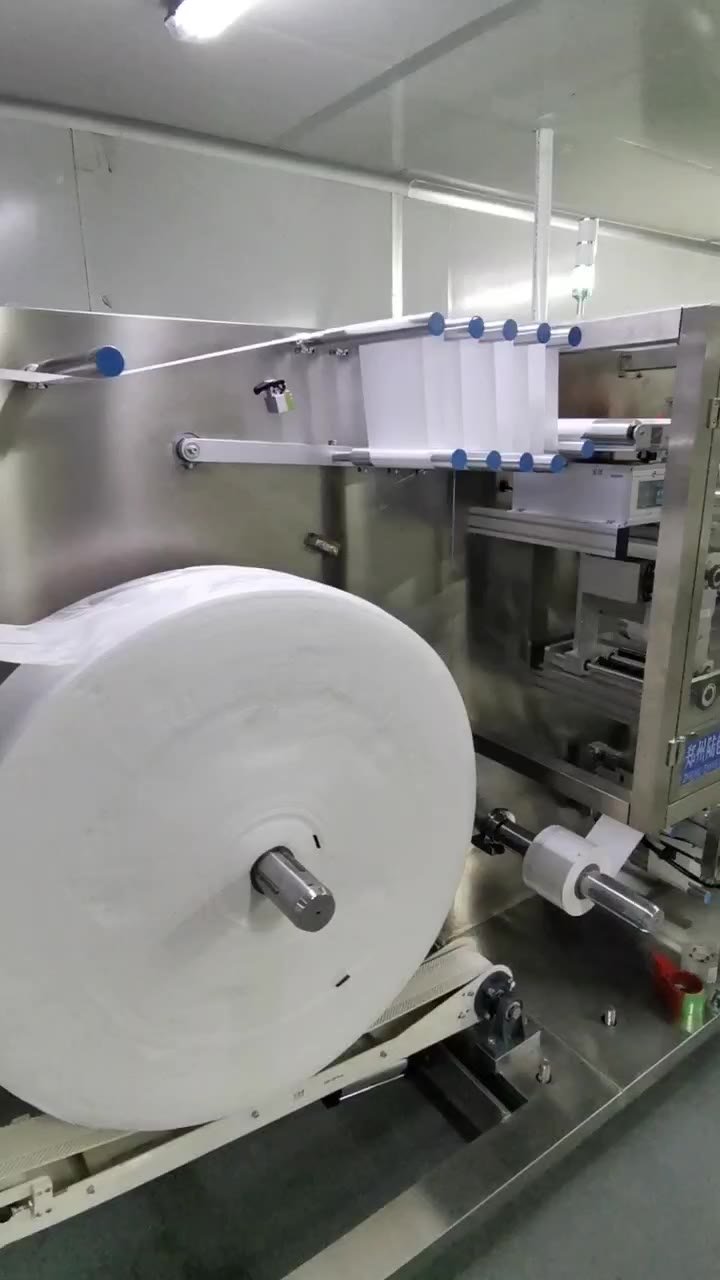
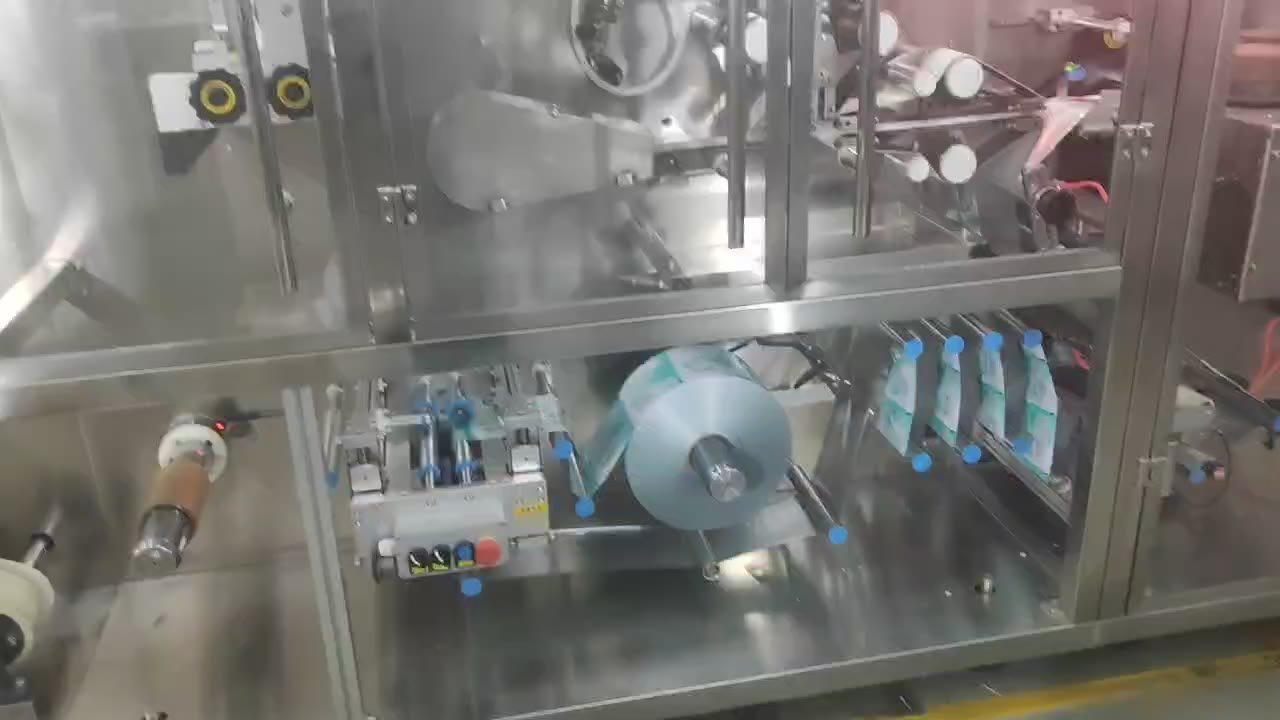
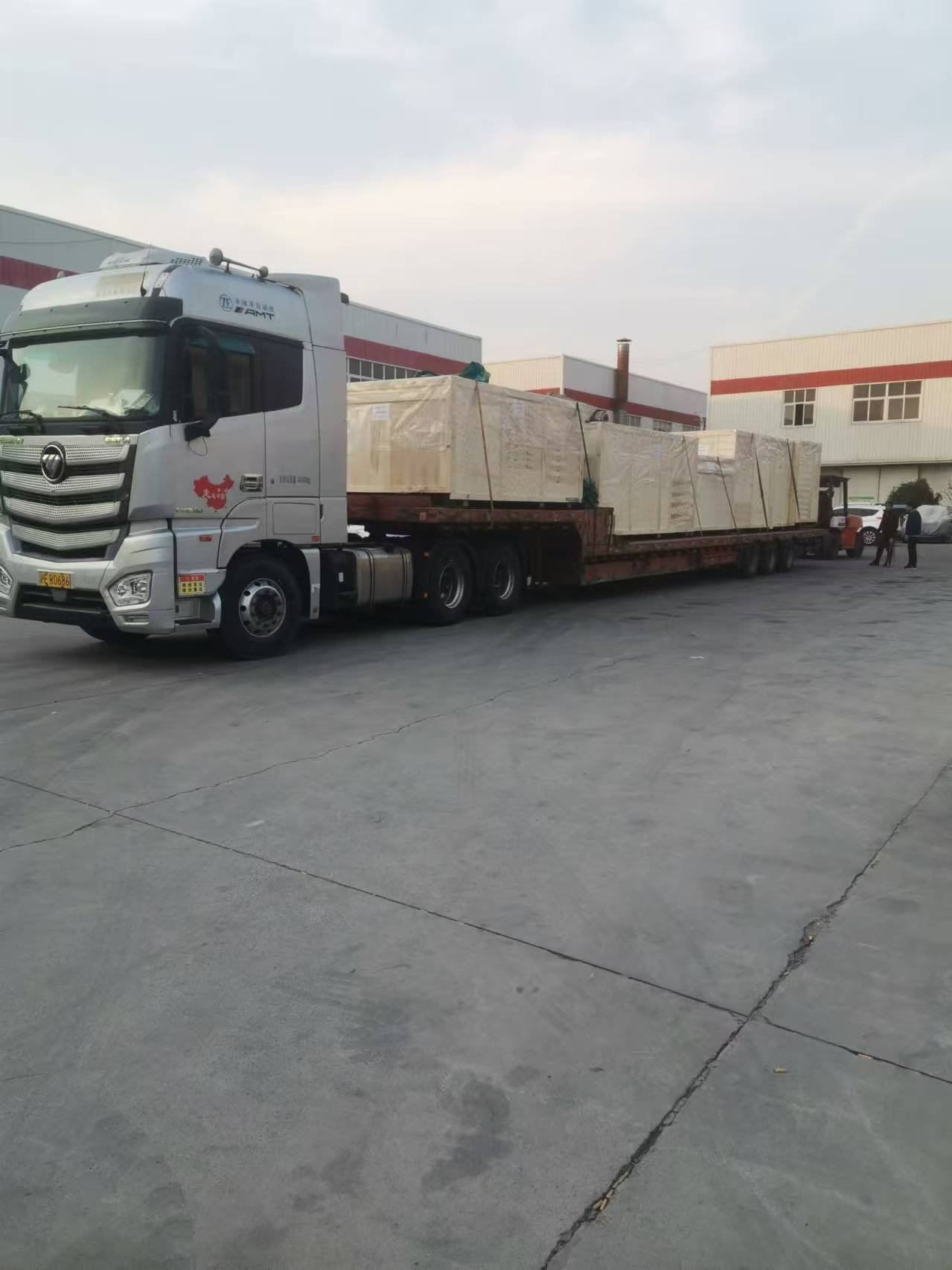
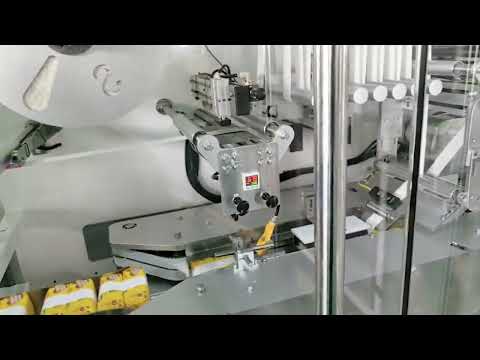
You’ve paid the deposit, production is nearly complete, and your machinery is almost ready to ship from China. This is the moment when a thorough quality control inspection can save you from costly mistakes—or let expensive problems slip through.
After managing over 200 machinery shipments to 37 countries, I’ve learned that the difference between a smooth delivery and a disaster often comes down to what you check (or don’t check) before the container leaves the factory.
Here’s the complete pre-shipment quality control checklist we use at Zhenbao Trading.
Why Pre-Shipment Inspection Matters
The cost difference is dramatic:
- Catching a defective PLC controller before shipment: $800 replacement cost, 3-day delay
- Discovering the same issue after the machine arrives in Mexico: $2,400 (parts + international shipping + technician travel), 3-week delay, frustrated customer
What you’re really checking:
- Does the machine match the specifications you paid for?
- Will it function properly when it arrives?
- Are all documents and accessories included?
- Is the packaging adequate for international shipping? The Complete Pre-Shipment QC Checklist Phase 1: Visual Inspection (Before Power-On)
Exterior condition:
- [ ] No dents, scratches, or paint damage on machine frame
- [ ] All safety guards and protective covers properly installed
- [ ] Machine dimensions match technical drawings (measure key points)
- [ ] Nameplate data: model number, serial number, voltage, frequency match your order
Components check:
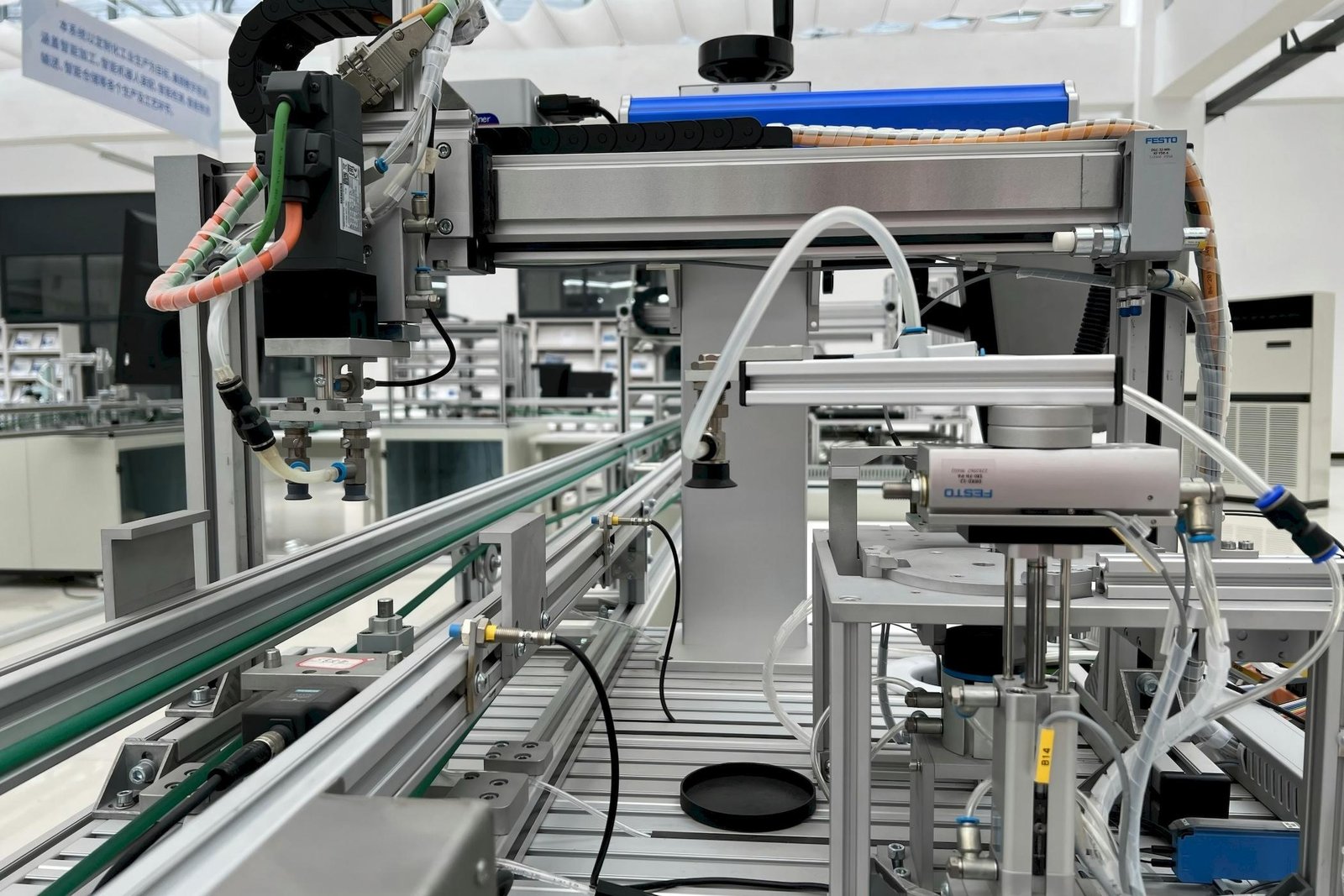
- [ ] All motors, cylinders, sensors visibly present and undamaged
- [ ] Electrical wiring properly routed and secured (no loose cables)
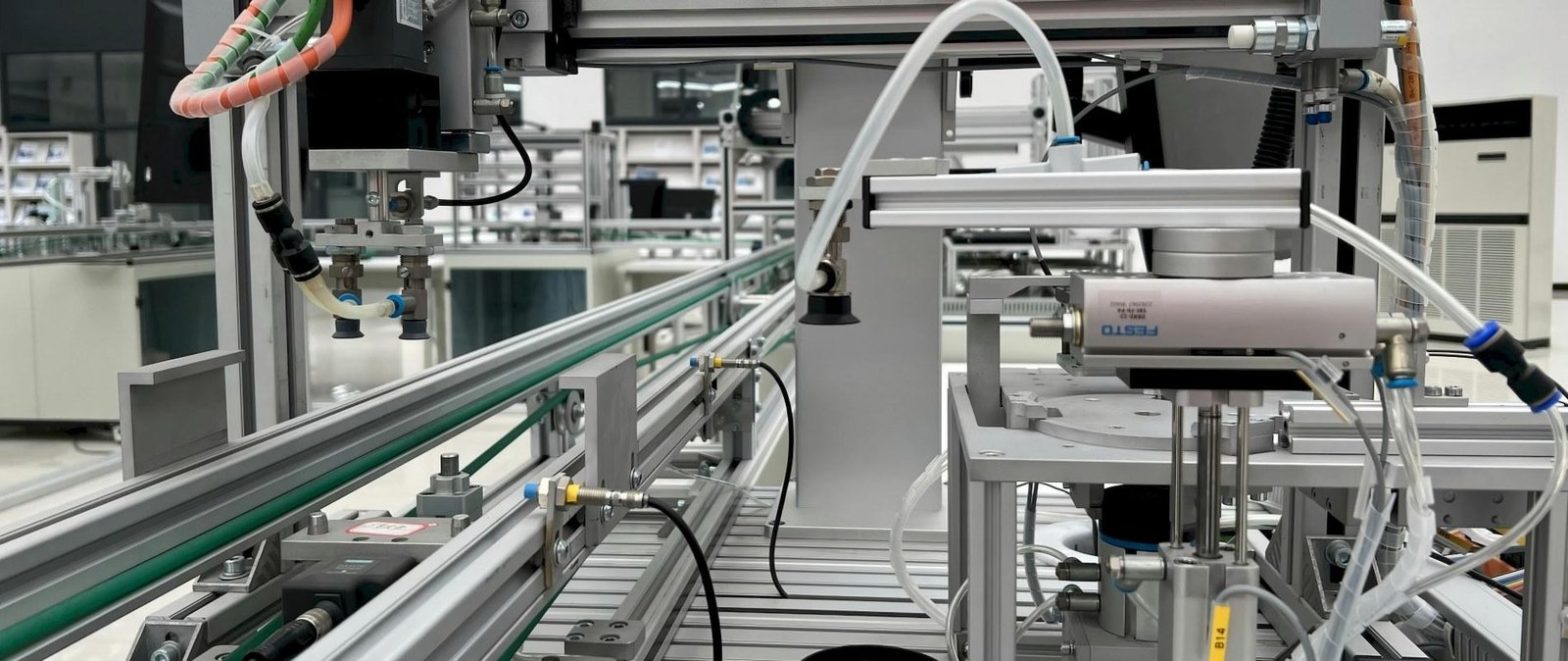
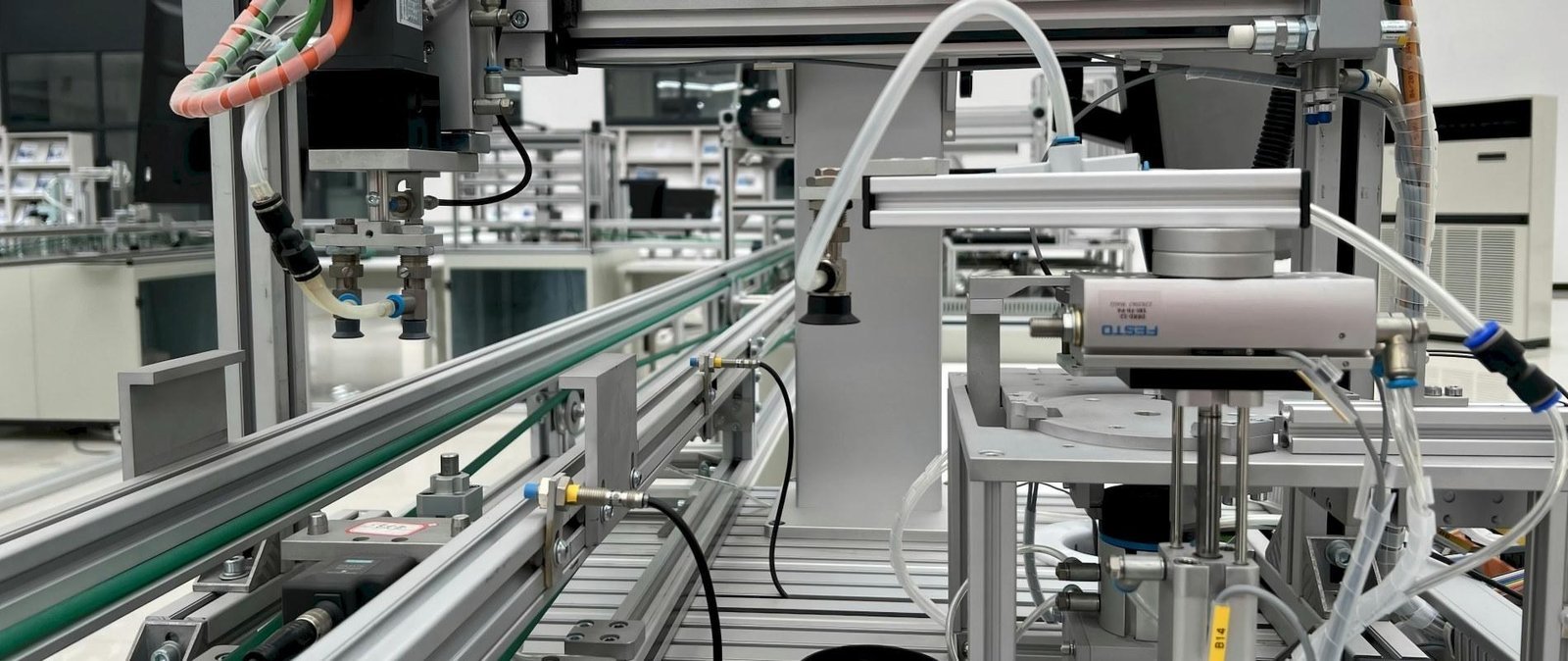
- [ ] Pneumatic/hydraulic connections tight, no visible leaks
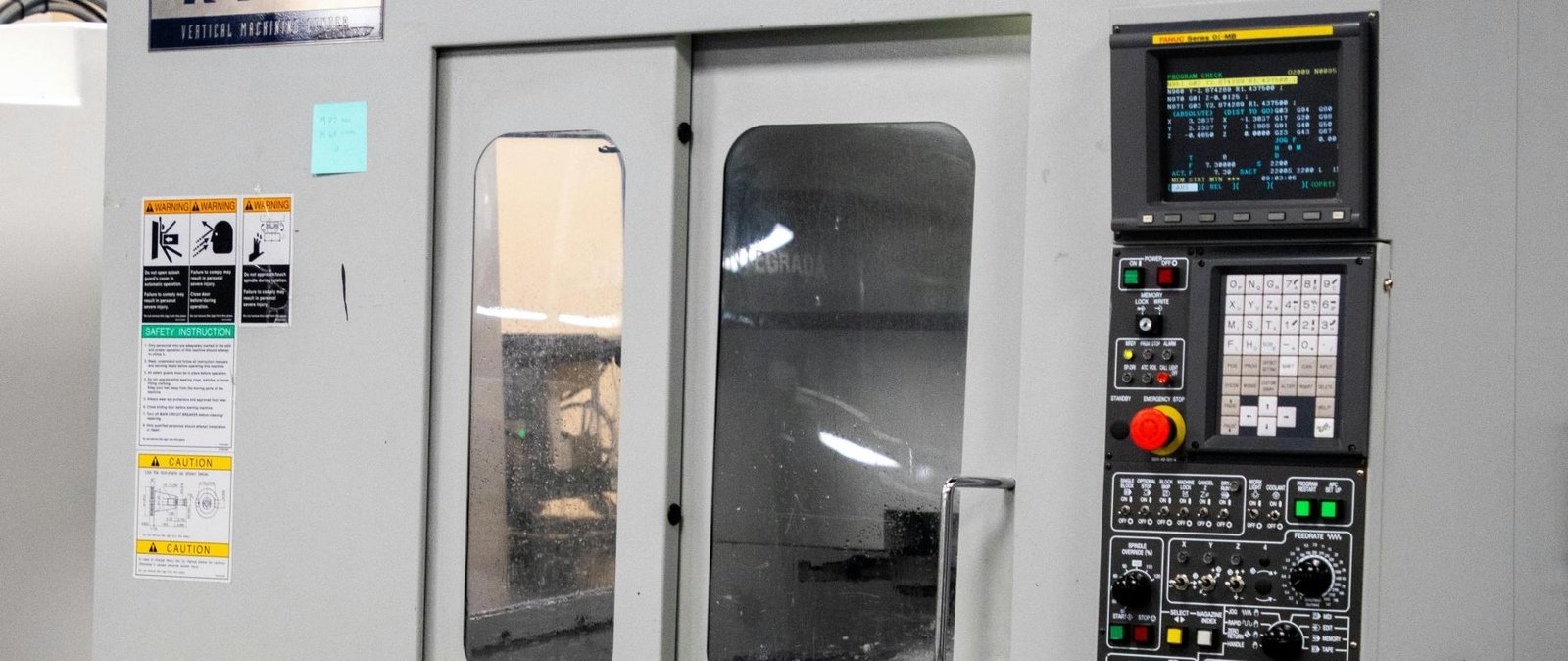
- [ ] Control panel buttons, switches, and emergency stop functional
- [ ] All logos, labels, and warning stickers correctly applied
Critical: Take photos of any cosmetic damage NOW. Once the machine is powered on, suppliers may claim damage happened during testing.
Phase 2: Functional Testing (Power-On Checks)
Startup sequence:
- [ ] Machine powers on without error codes
- [ ] All indicator lights function correctly
- [ ] Emergency stop button immediately cuts power
- [ ] Safety interlocks prevent operation when guards are open
- [ ] Control system displays correct language (if specified)
Operational test (run the machine with actual materials if possible):
- [ ] All movements smooth and coordinated (no jerking or unusual noise)
- [ ] Speed settings adjustable and accurate (measure actual vs. displayed speed)
- [ ] Temperature controls reach and maintain set points (for heat-sealing, welding, etc.)
- [ ] Product output meets quality standards (check 20-30 sample pieces)
- [ ] Reject/waste rate within acceptable limits
For wet wipes machines specifically:
- [ ] Folding mechanism creates consistent fold patterns
- [ ] Cutting blade produces clean cuts without tearing
- [ ] Liquid dosing system accurate (weigh 10 sample pouches)
- [ ] Sealing temperature and pressure create leak-proof seals (do a squeeze test)
Noise and vibration:
- [ ] Machine operates at noise level specified in contract (use dB meter app if needed)
- [ ] No excessive vibration that could indicate misalignment Phase 3: Documentation and Accessories Review
Technical documents (must be included):
- [ ] User manual (in specified language—English, Spanish, etc.)
- [ ] Maintenance manual with spare parts list
- [ ] Electrical schematics and PLC program backup (on USB drive)
- [ ] Warranty certificate with terms clearly stated
- [ ] CE certificate or other required certifications (verify authenticity)
Tools and accessories:
- [ ] Complete tool kit for routine maintenance
- [ ] Spare parts package (belts, blades, sensors—per agreement)
- [ ] Lubricants and consumables for initial operation
- [ ] Product samples produced during factory testing
Commercial documents:
- [ ] Packing list matches what’s physically present
- [ ] Commercial invoice shows correct product description, HS code, value
- [ ] If L/C payment: verify documents match L/C terms exactly Phase 4: Packaging Inspection (Before Crating)
Protection level:
- [ ] All exposed metal surfaces coated with anti-rust compound
- [ ] Fragile components (sensors, displays, glass) wrapped in protective foam
- [ ] Moving parts secured to prevent shifting during transport
- [ ] Moisture-absorbing desiccant packs placed inside machine cavities
Crate/packaging quality:
- [ ] Plywood crate thickness adequate (minimum 12mm for machinery over 500kg)
- [ ] Fumigation stamp if required by destination country
- [ ] Shipping marks clearly stenciled (your company name, destination port, “HANDLE WITH CARE”)
- [ ] Internal bracing prevents machine from moving inside crate
Critical for sea freight: Check that the machine sits at least 10cm above the crate floor. Containers can accumulate condensation, and bottom-mounted electrical components need protection from moisture.
How to Handle Defects Found During Inspection
Minor cosmetic issues (scratches, paint chips):
- Document with photos
- Request touch-up repair or price reduction (typically 1-3%)
- Usually doesn’t justify delaying shipment
Functional problems (machine doesn’t operate correctly):
- Stop the inspection immediately
- Create detailed defect report with photos/video
- Do NOT approve shipment until issue is resolved
- Set a clear deadline for correction and re-inspection
Missing parts or wrong specifications:
- Refer to your purchase order and technical agreement
- Supplier must provide missing items or correct the discrepancy before shipment
- If this delays delivery beyond agreed timeframe, you may negotiate compensation
Real case: We caught a wet wipes machine with the wrong PLC brand (local Chinese brand instead of specified Mitsubishi). Customer had paid 40% by this point. Because we stopped shipment, the supplier had to install the correct PLC at their cost. If we’d approved shipment, the buyer would have had two choices: accept inferior equipment or pay $3,000+ to retrofit in their own country.
Who Should Conduct the Inspection?
Option 1: Third-party inspection company
- Cost: $300-600 per day
- Pros: Independent, experienced, detailed report
- Cons: Generic checklist may miss industry-specific checks
- Best for: High-value orders, first-time suppliers
Option 2: Your China sourcing agent (like us)
- Cost: Usually included in service fee
- Pros: Understands your specific requirements, can negotiate immediately with supplier
- Cons: Requires trust in your agent
- Best for: Ongoing relationships, technical machinery
Option 3: Your own technical staff
- Cost: Travel + accommodation ($1,500-2,500)
- Pros: Your team knows your operation best
- Cons: Expensive for routine checks, requires China travel
- Best for: Custom machinery, critical projects
What NOT to do: Relying solely on the supplier’s “QC report” or photos. Suppliers naturally focus on what looks good and may overlook issues that seem “minor” to them but critical to you.
Pre-Shipment Inspection Timing
For standard machines (4-6 week lead time):
- Schedule inspection for day BEFORE planned shipment date
- Allows 1-2 days buffer for minor corrections
For custom machinery:
- First inspection at 90% production completion (FAT – Factory Acceptance Test)
- Final inspection after all corrections, right before crating
Communication tip: Give your supplier at least 5 business days’ notice before scheduling inspection. Rush inspections lead to mistakes.
Our Pre-Shipment Inspection Process at Zhenbao Trading
When we handle machinery purchases for clients, our standard protocol includes:
- Pre-inspection call with the supplier to confirm machine is truly ready (avoid wasting inspection visits on incomplete equipment)
- Detailed visual and functional check using customer-specific requirements plus our general checklist
- Live video call with customer during key tests (if they want to see the machine running before approval)
- Written report with photos delivered within 24 hours of inspection
- Corrective action tracking if defects found—we don’t approve shipment until issues are resolved
- Final packaging verification before container loading
This process has helped us maintain a 98% on-time delivery rate and under 2% claim rate for quality issues.
Bottom Line: Don’t Skip This Step
The $300-600 you spend on professional pre-shipment inspection can prevent $5,000-15,000 in post-arrival problems. Even if you trust your supplier, verify before the container ships.
Remember: Once the machine leaves China, your leverage drops to nearly zero. Any defect becomes YOUR problem to solve, at YOUR cost.
Need help with pre-shipment inspection for your machinery order? Contact us at sales@zhenbaotrading.com or WhatsApp +852 9702 5284. We conduct thorough inspections and only approve shipment when everything meets your specifications.
About the Author
Maggie (岳海敏) is the founder of Zhenbao Trading, specializing in machinery quality control and China sourcing services. With 5 years of experience managing pre-shipment inspections for buyers across 37 countries, she has developed comprehensive QC protocols that prevent costly post-delivery issues.