Hidden Costs of Importing Packaging Machinery from China: The Complete Budget Checklist

You’ve found a packaging machine quoted at $50,000 FOB China. You run the numbers, secure financing, and place the order. Then reality hits: by the time the machine is running in your facility, your total cost is $68,000.

This scenario plays out constantly with machinery imports. The machine price is just the starting point – and the add-ons aren’t always spelled out by suppliers or freight forwarders until it’s too late to adjust your budget.

I’ve worked with buyers across three continents, and the ones who succeed long-term are the ones who budget for the total landed and operational cost from day one. Here’s what that actually includes.

  1. Customs Duties and Import Taxes (Often 5–15% of Machine Value)

When your machine arrives at your country’s port, customs will assess duties based on the HS code (harmonharmonized system classification). Packaging machinery typically falls under Chapter 84, but rates vary:

  • Mexico: 0–5% under certain trade agreements, but can be higher depending on machine type
  • Indonesia, Vietnam, Philippines: 5–10% for most industrial machinery
  • GCC countries (UAE, Saudi): Often 5%, but VAT (5–15%) applies on top
  • Brazil, Argentina: Can reach 15–20% or more due to local protectionist policies

What buyers miss: Your freight forwarder might quote “CIF” (cost, insurance, freight) but that doesn’t include the duty. You’re responsible for paying customs before the equipment is released. If you don’t have the cash ready, your machine sits at the port accruing storage fees.

Action step: Before ordering, look up the HS code for your machine type and check your country’s import duty rate. Build this into your budget as a fixed cost.

  1. Freight and Logistics Beyond FOB (Typically $3,000–$8,000 Depending on Size and Destination)

If the supplier quotes FOB (Free on Board), you’re covering:

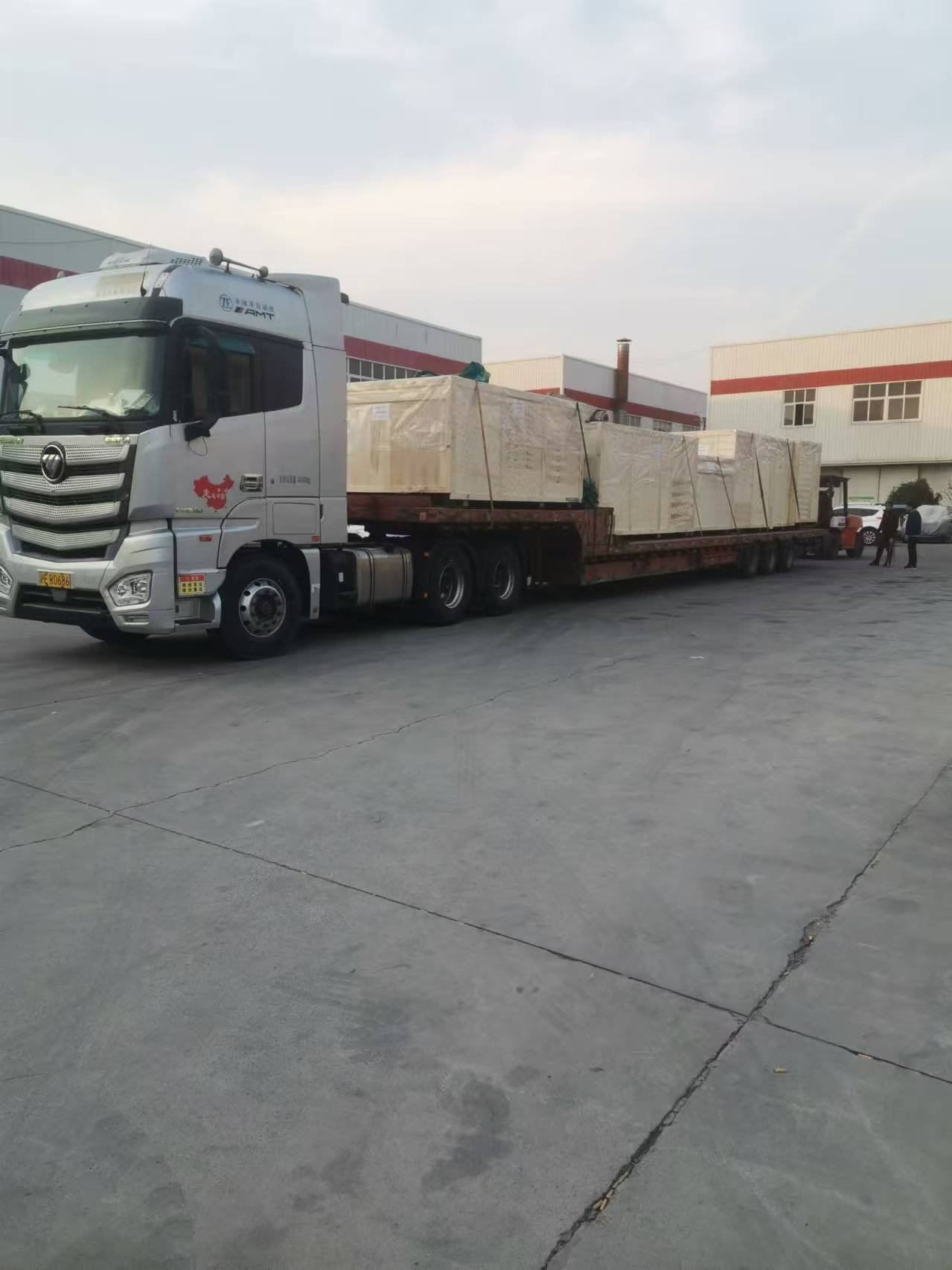
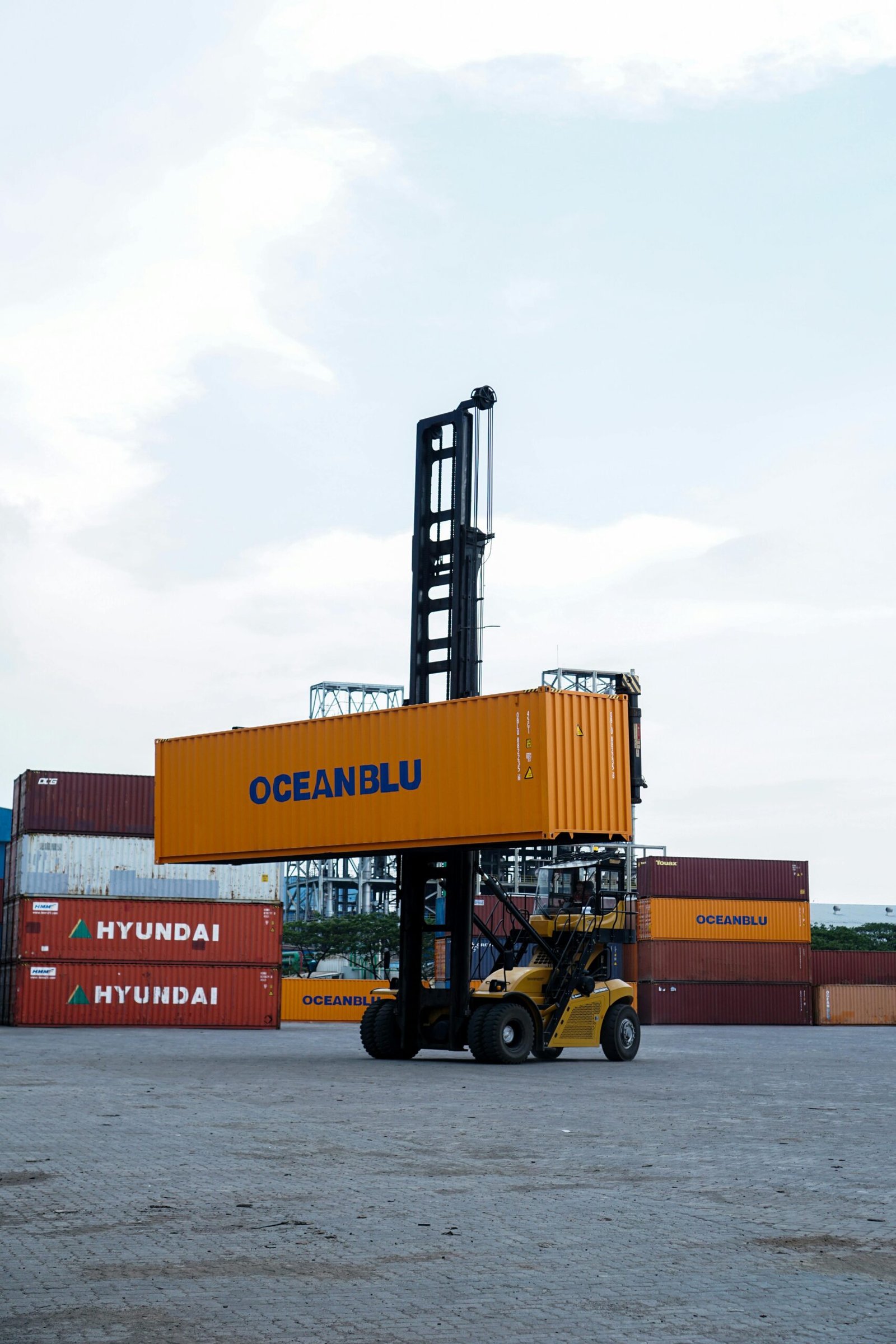
  • Ocean or air freight from China to your port
  • Insurance during transit
  • Destination port charges (unloading, terminal handling)
  • Customs clearance fees
  • Inland transport from port to your facility

For a mid-sized packaging machine (1–2 containers), expect $4,000–$7,000 in total logistics cost to most markets. Oversized or heavy machinery can double that.

What buyers miss: “Port to door” delivery often isn’t included unless you explicitly arrange it. If you hire a local trucking company last-minute, you’ll pay a premium. Plan this in advance with your freight forwarder.

  1. Installation, Commissioning, and Calibration ($2,000–$10,000+)

Most machinery requires professional installation – leveling, anchoring, connecting utilities (power, water, air), and calibration before it’s ready for production. This isn’t plug-and-play.

Two options:

  • Supplier sends a technician: Typically $150–$300/day plus airfare, visa, and accommodation. For a 5–7 day install, budget $3,000–$6,000 total.
  • You hire a local technician: Cheaper per day, but they may not know the specific machine. Expect longer troubleshooting time and potential delays.

What buyers miss: If the supplier’s quote includes “installation supervision,” check whether that means remote video guidance or an actual on-site technician. Remote guidance is cheaper but assumes you have skilled staff who can follow instructions.

  1. Training for Your Operators (Often Overlooked Entirely)

A packaging machine isn’t intuitive for staff who’ve never run one. Poor training leads to:

  • Slower production ramp-up
  • More frequent jams and stoppages
  • Incorrect adjustments that damage components

Training options:

  • On-site training from supplier: Usually 2–3 days, covered during installation visit.
  • You send staff to China for training: Airfare, accommodation, visa – budget $2,000–$4,000 per person.
  • Video training only: Free or low-cost, but much less effective for hands-on troubleshooting.

What buyers miss: If training isn’t in the contract, you’ll get a user manual and maybe a video – but your team will struggle for weeks learning by trial and error. Insist on live training as part of the deal.

  1. Voltage Conversion and Electrical Compliance ($500–$5,000)

Chinese machinery is typically built for 380V 3-phase 50Hz power (standard in China). If your facility runs on a different voltage (e.g., 220V, 415V, or 60Hz frequency in the Americas), you’ll need:

  • Voltage transformer or converter: $500–$2,000 depending on machine power rating.
  • Rewiring or electrical panel modification: If your facility isn’t set up for the machine’s power requirements, expect electrician costs.
  • Compliance inspection or certification: In some markets (EU, North America), you may need local electrical certification before you can legally operate the machine. Budget $1,000–$3,000 for this.

What buyers miss: They assume the machine will “just work” with their power supply. It won’t. Confirm voltage and frequency with the supplier before production starts, and factor in conversion or rewiring costs.

  1. Spare Parts and Consumables (5–10% of Machine Value for Year 1)

Packaging machines have wear parts that need regular replacement:

  • Sealing blades or heating elements
  • Conveyor belts
  • Sensors and proximity switches
  • Cutting knives or forming molds

If you wait until something breaks to order parts from China, you’re looking at:

  • 2–4 weeks shipping time (or expensive air freight)
  • Production downtime costing you thousands per day

What buyers do right: Order a “first-year spare parts kit” with the machine. Cost is typically 5–10% of the machine price, but it’s scheduled maintenance instead of emergency downtime.

  1. Local Certification or Compliance Testing (Varies Widely by Country)

Depending on your market, you may need:

  • CE marking (if selling into EU or certain other regions): $2,000–$8,000 depending on complexity
  • Local electrical or safety inspection: Required in some jurisdictions before operation
  • Food safety certification (if the machine touches food products): Adds time and cost

What buyers miss: They assume the Chinese supplier’s certifications are valid everywhere. Often they’re not. Check your country’s requirements before the machine ships, or you might not be able to legally operate it.

  1. Downtime During Ramp-Up (Lost Opportunity Cost)

Even with perfect installation and training, expect 2–4 weeks of suboptimal production while:

  • Your team learns the machine
  • You fine-tune settings for your specific product
  • You troubleshoot minor issues (jams, sensor calibration, timing adjustments)

If you were planning to fulfill orders immediately, this delay has a real cost – delayed revenue, missed contracts, or paying workers who aren’t yet productive.

What buyers do right: Build in a 4-week “commissioning and ramp-up” buffer before you commit to delivering finished goods to customers.

The Real Budget: What a $50,000 Machine Actually Costs

Here’s a realistic breakdown for a mid-sized packaging machine imported to Southeast Asia or Latin America:

Cost ItemAmount
Machine price (FOB China)$50,000
Freight and logistics$5,000
Customs duty (assume 8%)$4,000
Installation and commissioning (supplier technician)$4,500
Training (on-site, 3 days)Included in installation
Voltage transformer$1,200
Spare parts kit (first year)$3,500
Local electrical inspection$800
Total landed and operational cost$69,000

That’s a 38% markup over the machine’s FOB price. If you only budgeted $50,000, you’re now scrambling for an additional $19,000 – or worse, cutting corners on training or spare parts.

How to Avoid Budget Shock

✅ Ask for a “Total Landed Cost” quote upfront – request the supplier or a freight forwarder to estimate all costs to your facility, not just FOB.

✅ Confirm what “installation” and “training” actually include – on-site technician or just remote support? How many days?

✅ Check voltage, frequency, and local compliance requirements before production starts, not after the machine arrives.

✅ Order spare parts with the machine – shipping them together saves freight cost and ensures you’re covered for Year 1.

✅ Build in a 4-week ramp-up buffer – don’t promise delivery to your customers the day after the machine arrives.

Bottom Line

The machine price is just one line item in your real budget. The buyers who succeed are the ones who plan for the total cost of getting the equipment running and keeping it running. The ones who struggle are the ones who got surprised by “hidden” costs that were actually predictable – they just didn’t ask the right questions.

Need Help Budgeting Your Machinery Import?

We walk buyers through total landed cost estimates, freight coordination, and installation planning so there are no surprises when your equipment arrives.

📩 Contact us: sales@zhenbaotrading.com | WhatsApp: +852 9702 5284