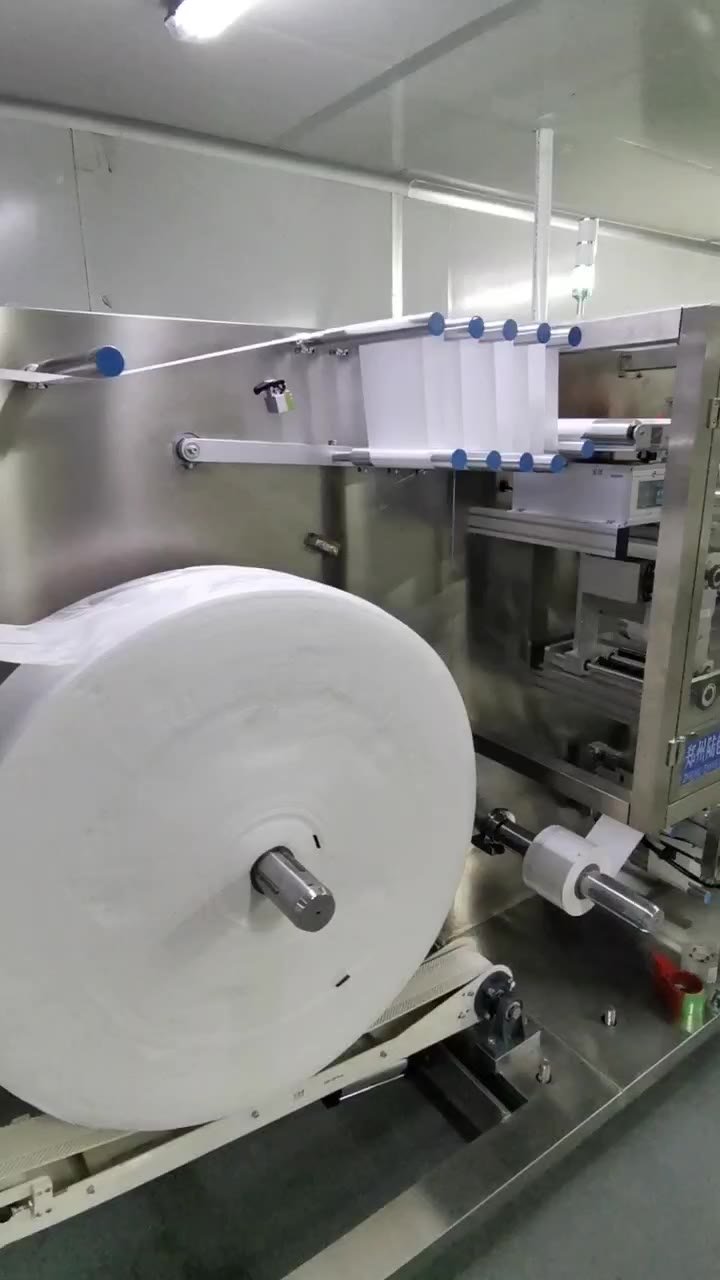
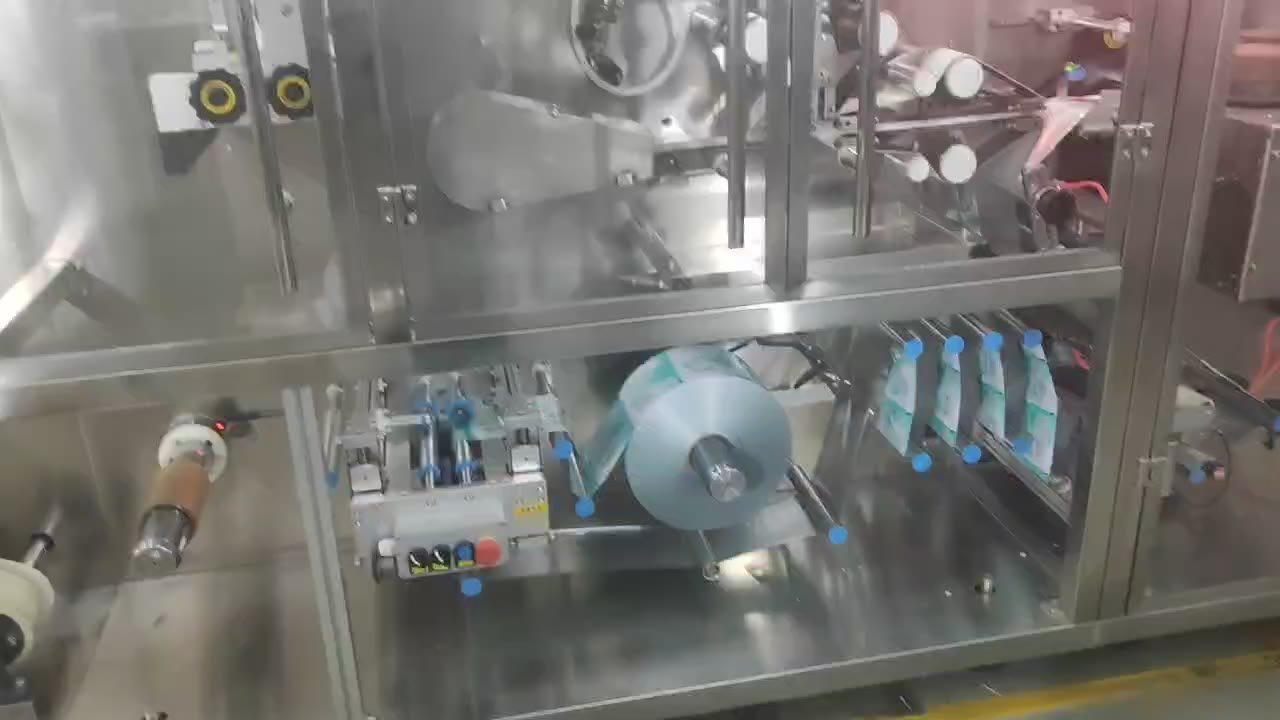
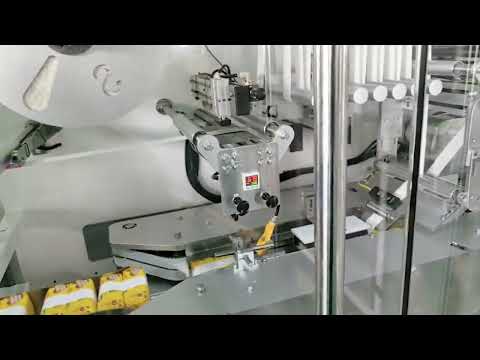
As a leading supplier of wet wipes manufacturing equipment, Zhenbao Trading understands that selecting the right production line is one of the most critical decisions for your business. The choice between semi-automatic and fully automated wet wipes lines can significantly impact your operational efficiency, production capacity, and return on investment. This comprehensive guide will help you evaluate both options and determine which solution best aligns with your budget and business objectives.
Understanding the Key Differences
Semi-automatic wet wipes lines require operator involvement at various stages of production, from material loading to quality checks and packaging. Operators control the pace of production and make real-time adjustments to ensure consistent quality. These systems typically feature automatic folding, liquid application, and basic packaging functions while maintaining human oversight throughout the process.
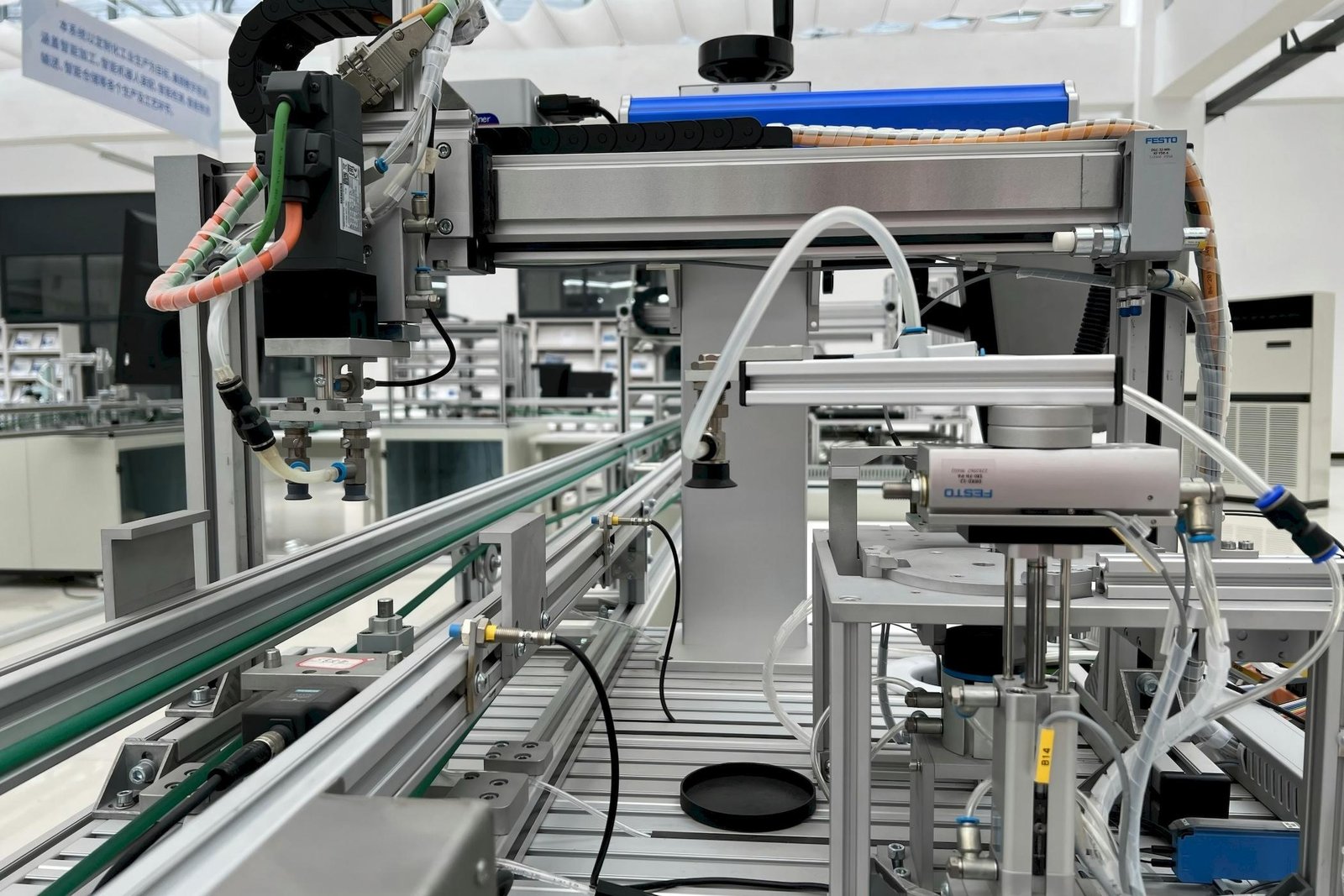
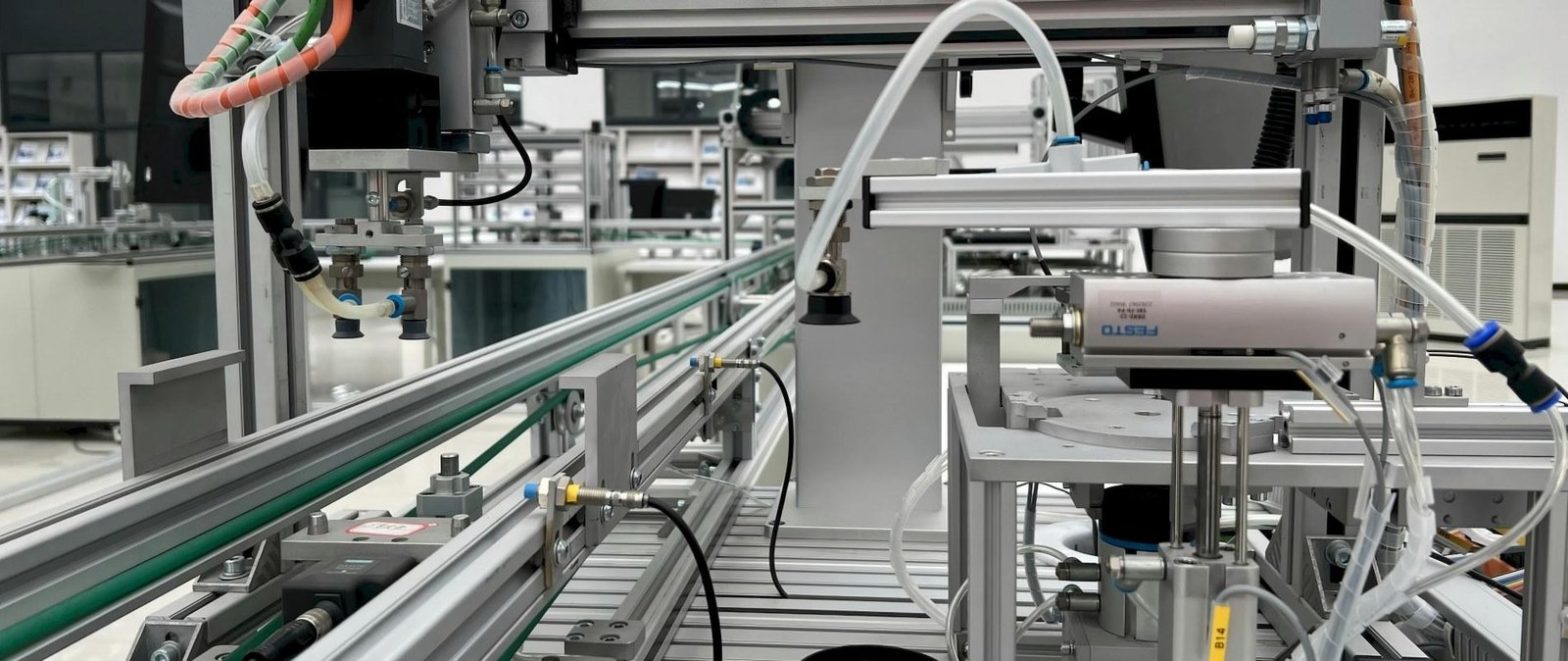
Fully automated lines, conversely, operate with minimal human intervention. Advanced sensors, computer controls, and robotic systems manage every aspect of production—from raw material handling to final packaging and palletization. Operators primarily monitor the system and perform routine maintenance rather than actively participating in production.
Capital Investment Comparison
The most obvious distinction lies in upfront costs. Semi-automatic systems represent a significantly lower initial investment, typically ranging from $50,000 to $150,000 depending on your specifications and production capacity. This affordability makes semi-automatic lines ideal for startups, small-to-medium enterprises (SMEs), or companies testing new product lines before committing substantial capital.
Fully automated systems require considerably higher investment—generally between $200,000 and $500,000 or more, depending on complexity and capacity. However, this higher investment delivers substantially greater output and operational benefits that often justify the expense for established manufacturers with consistent demand.
Operational Cost Considerations
While semi-automatic lines cost less upfront, their long-term operational expenses can accumulate. Labor costs remain significant, as you’ll need skilled operators throughout production shifts. Training expenses, wages, and benefits for multiple operators can substantially impact your annual budget. Additionally, the slower production speed means extending operating hours to meet higher demand, which further increases labor costs.
Fully automated systems dramatically reduce labor requirements—typically needing only one or two technicians per shift for monitoring and maintenance. This reduction in human resources can offset the higher equipment cost within 2-4 years, depending on your production volume and labor rates.
Production Capacity and Speed
Semi-automatic lines typically produce between 30-80 units per minute, making them suitable for operations with moderate demand. They work well for niche markets, specialized products, or businesses still building market presence.
Fully automated systems deliver 100-300+ units per minute, accommodating high-volume production and helping you meet growing demand without proportional increases in labor. This capacity advantage becomes crucial as your business scales.
Flexibility and Product Variation
Semi-automatic lines offer superior flexibility. Operators can quickly adjust settings for different wipe sizes, package formats, and formulations. If your business requires frequent product changes or serves diverse customer needs, semi-automatic systems provide this adaptability without extensive reconfiguration.
Fully automated lines, while incredibly efficient for standardized products, require more complex reprogramming and adjustment time when changing product specifications. However, modern systems from Zhenbao Trading feature quick-changeover capabilities that minimize downtime.
Making Your Decision
Choose semi-automatic if you’re:
- Starting your wet wipes business
- Operating with limited capital
- Producing multiple product variations
- Building an emerging market presence
Choose fully automated if you:
- Have consistent, high-volume demand
- Can justify higher capital expenditure
- Prioritize operational efficiency and reduced labor costs
- Plan significant long-term growth
Conclusion
Both semi-automatic and fully automated wet wipes lines have merit—the best choice depends on your current financial position, production requirements, and growth trajectory. Zhenbao Trading offers expert consultation to help you analyze your specific needs and select equipment that maximizes your return on investment while supporting your long-term business goals.
Contact our team today to discuss which solution aligns perfectly with your vision and budget.