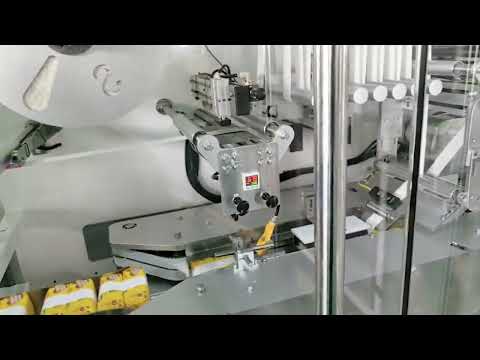
How Much Does It Cost to Start a Sanitary Pad Factory? (2026 Guide)

Demand for sanitary napkins keeps rising across Southeast Asia, the Middle East, Africa and Latin America, and for many entrepreneurs a small pad factory is one of the more accessible ways into hygiene manufacturing. The first question almost everyone asks is the same: how much money do I actually need to start?

The short answer: a lean setup built around a semi-automatic sanitary pad making machine can get you running for roughly $30,000–$80,000, while a fully automatic, high-speed production line typically pushes total startup investment to $180,000–$400,000 or more. The exact figure depends on your machine, your market, and how much raw-material inventory you carry at launch.

Below is a realistic breakdown of every cost, two sample budgets, and where you can save without cutting corners.

Quick answer: typical startup budgets

ScaleMachine typeOutputRealistic total startup
Lean / pilotSemi-automatic~250–400 pads/min$30,000 – $80,000
Mid-sizeFrequency / semi-servo automatic~500–600 pads/min$90,000 – $200,000
Full production lineFull-servo automatic~700–1,000 pads/min$180,000 – $400,000+

These totals include the machine, opening raw-material inventory, basic facility setup, and working capital — not the cost of land or a building you already own.

The main cost components

1. The sanitary pad making machine (your biggest capital cost)

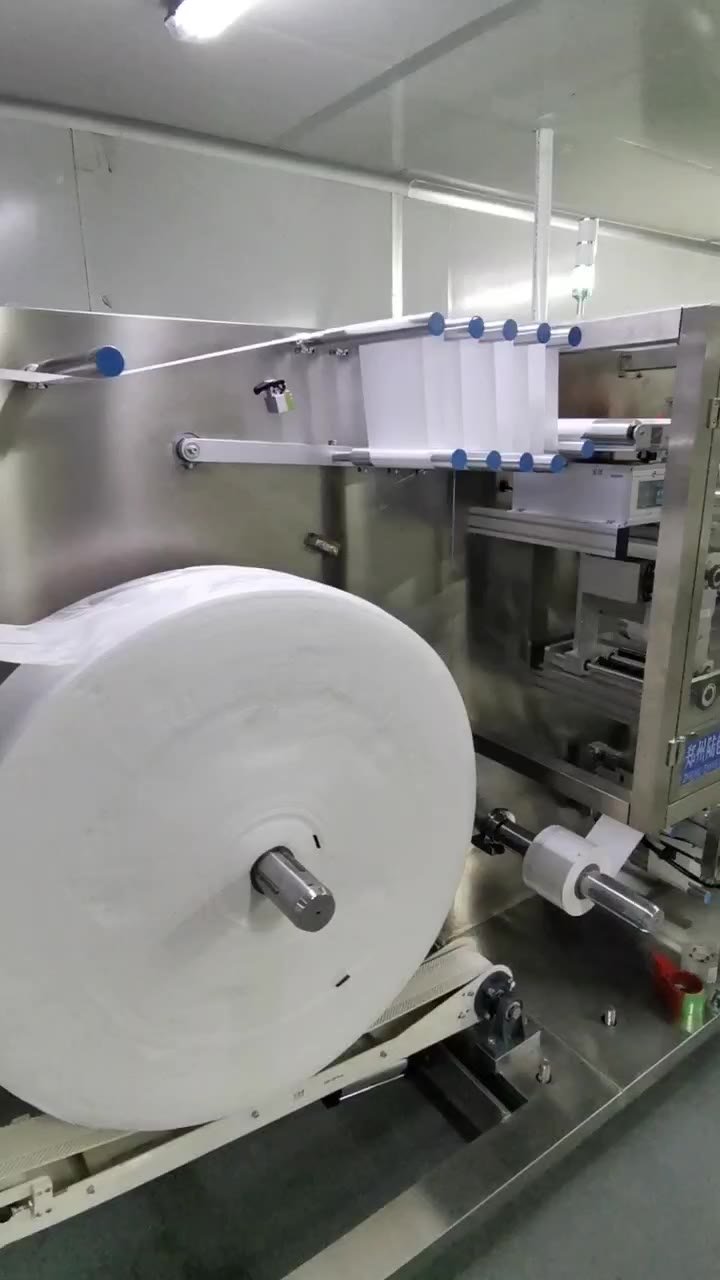
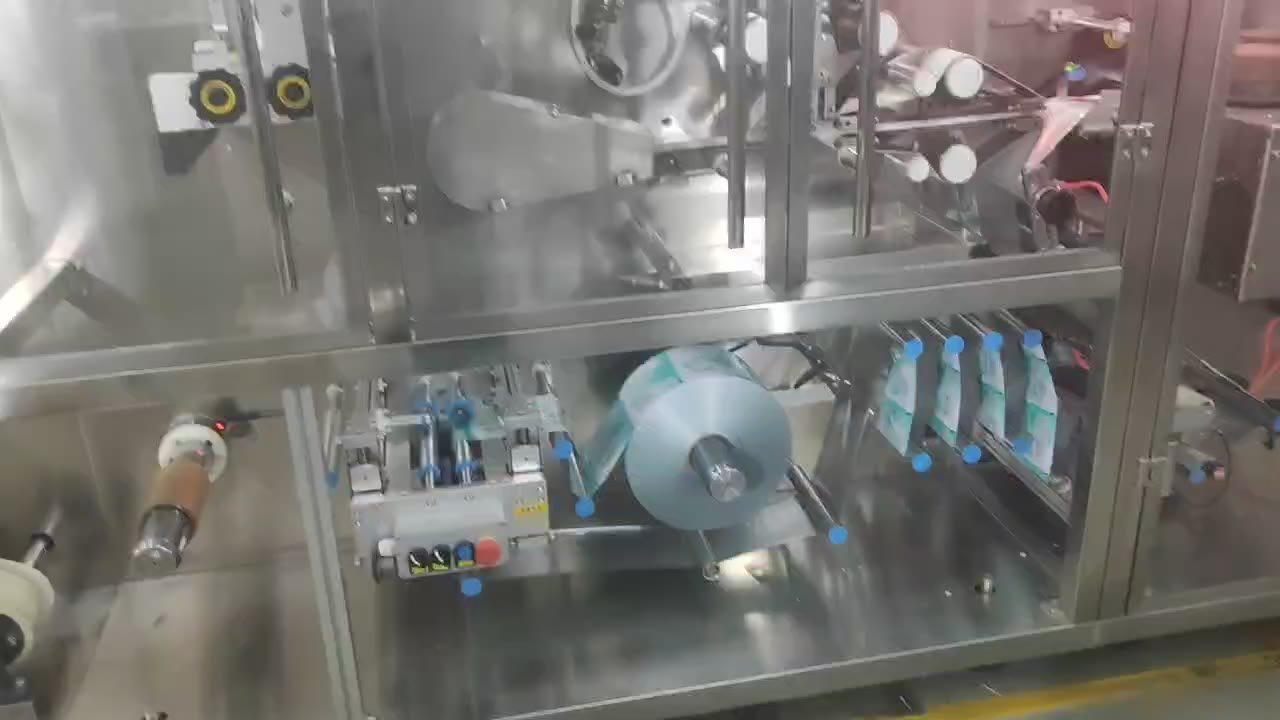
The machine is usually 40–60% of your total startup spend, so it’s worth understanding the tiers:

Machine tierIndicative priceSpeedPowerBest for
Semi-automatic$5,000 – $30,000250–400 pcs/minlowerTesting a market, low volume, tight budget
Frequency / semi-servo automatic$30,000 – $80,000500–600 pcs/min~150–200 kWGrowing brands, steadier demand
Full-servo automatic$80,000 – $150,000+700–1,000 pcs/min~200–250 kWHigh-volume, export, low labor per unit

A few things drive the price within each tier: production speed, number of pad sizes the machine can switch between, whether wrapping and packaging are integrated, and the quality of components (servo drives, imported bearings and timing belts last far longer). Customization and add-on packaging machines also raise the figure.

Tip: most first-time manufacturers do well to start semi-automatic or semi-servo and scale up once demand is proven, rather than over-investing in a full-servo line that runs at 30% capacity.

2. Raw materials and opening inventory

Sanitary pads are built from a stack of materials, each sourced and priced separately:

  • Nonwoven fabric (topsheet, acquisition layer, wings): ~$1.50–$4.00/kg
  • Super Absorbent Polymer (SAP) (the core’s main absorbent): ~$2.50–$5.00/kg
  • Fluff / airlaid pulp (bulks out the absorbent core): ~$0.80–$1.50/kg
  • PE backsheet film (leak barrier): varies by gauge
  • Hot melt adhesive: ~$1.80–$3.00/kg
  • Release paper, wrapping film and retail packaging: depends on design

Raw materials are also your single largest running cost — across the industry, nonwovens and SAP alone make up roughly 55–65% of operating expenses. Because SAP prices move monthly, most factories keep a buffer stock. A sensible opening inventory runs $10,000–$50,000 depending on scale.

3. Factory space and utilities

A semi-automatic machine can fit in a modest workshop. A full-servo line is a different animal — these are 22–28 metres long, weigh 45–60 tonnes, and need three-phase industrial power in the 150–250 kW range, so electricity becomes a meaningful monthly cost. Plan separate zones for raw-material storage, production, quality control and finished goods, and leave room to expand.

4. Labor

Headcount depends on automation. A semi-automatic line needs more hands (feeding, packing, QC); a full-servo line needs fewer but more skilled operators. Labor cost varies enormously by country — what’s modest in Indonesia, Vietnam or India will be several times higher elsewhere — so budget against your own local wages rather than a global average.

5. Licensing, certification and compliance

This is the cost most beginners underestimate. Hygiene products are regulated, and requirements differ sharply by market. Expect some combination of business registration, product testing (absorption capacity, leak/edge-seal tests, skin biocompatibility), correct packaging and labeling (batch number, expiry, usage instructions), and in many markets a factory audit or GMP (Good Manufacturing Practice) certification. Build in time and budget for this before you plan to sell.

6. Packaging and branding

Printed wrappers, retail bags or boxes, brand design and artwork. Modest at small scale, but it’s what makes your product saleable, so don’t leave it out of the budget.

7. Logistics, import duties and working capital

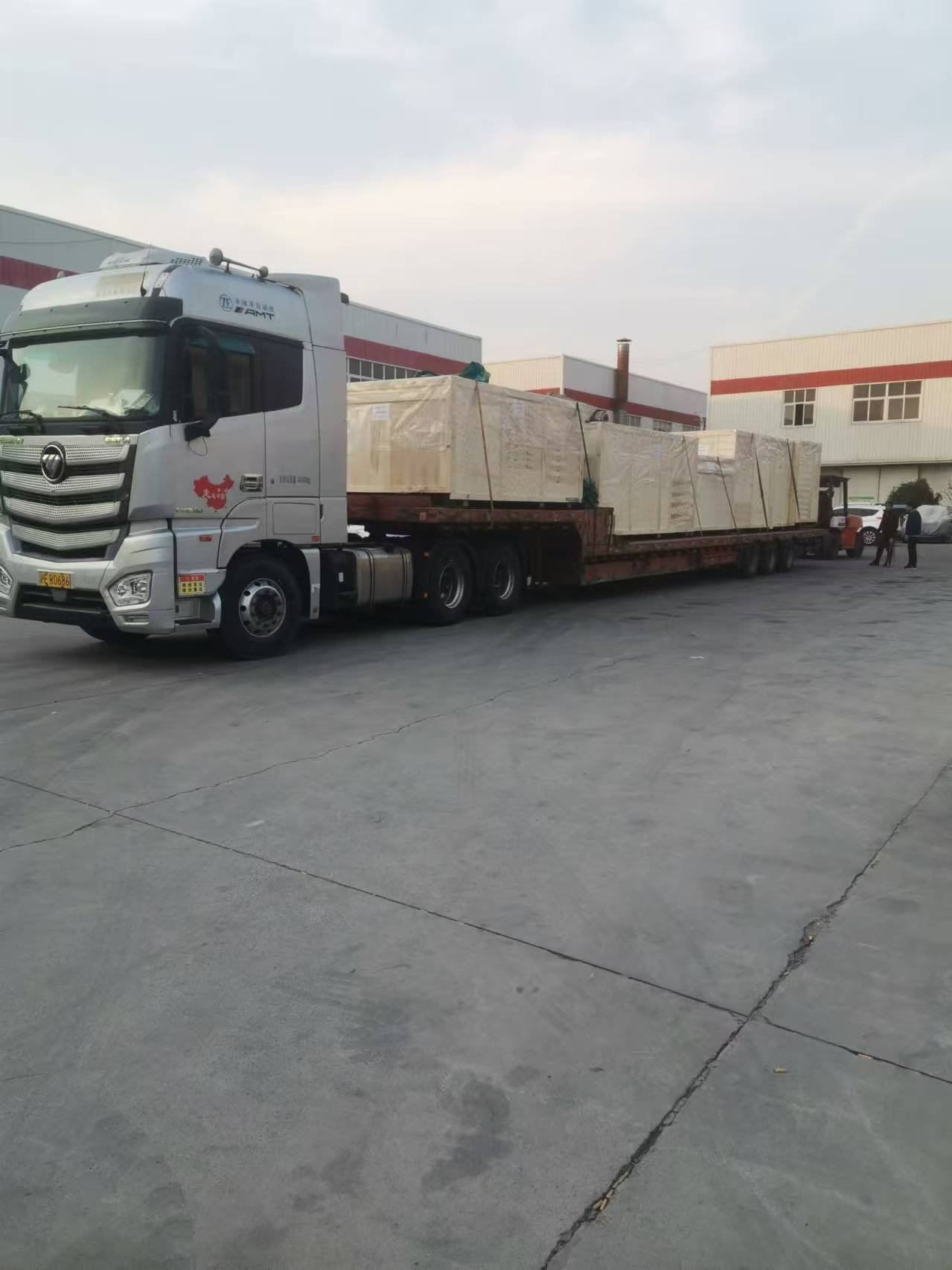
If you’re importing the machine — most competitively-priced lines come from China — factor in sea freight, import duties, installation and operator training. Also keep enough working capital to cover three to six months of materials, wages and utilities before sales stabilize. Underfunding working capital is one of the most common reasons new factories stall.

Two sample budgets

Scenario A — Lean start (semi-automatic), targeting a local market

ItemEstimate
Semi-automatic machine$20,000
Opening raw materials$12,000
Facility prep & utilities setup$6,000
Licensing & product testing$5,000
Packaging & branding$4,000
Shipping, duties & installation$8,000
Working capital (3 months)$15,000
Total≈ $70,000

Scenario B — Fully automatic line, built for volume/export

ItemEstimate
Full-servo automatic line + packaging$120,000
Opening raw materials$40,000
Facility prep, power & utilities$25,000
Licensing, testing & GMP$15,000
Packaging & branding$10,000
Shipping, duties & installation$20,000
Working capital (6 months)$60,000
Total≈ $290,000

Both are illustrative — your real numbers will shift with machine choice, country, and scale.

Is a sanitary pad factory profitable?

It can be. The math works because raw-material cost per pad is low and demand is steady and repeat. Across the industry, gross margins of 40–50% are common at healthy utilization. Profitability hinges on three things: keeping the machine running near capacity, buying raw materials well, and building distribution so finished stock actually moves.

How to keep your startup cost under control

  • Start smaller and scale. A semi-automatic or semi-servo machine proves your market at a fraction of the capital, and you can add capacity later.
  • Source the machine and raw materials through one reliable partner. Buying your line, SAP, nonwoven and adhesives from vetted China-based suppliers — with one party handling inspection and consolidated shipping — usually beats juggling several unknown vendors.
  • Match the machine to your market’s pad sizes (e.g. 240/280 mm) up front, so you’re not paying for changeover capability you won’t use.
  • Budget for spare parts and operator training at purchase. Downtime on day one is expensive.

Where Zhenbao Trading can help

We’re a China-based machinery supplier and sourcing partner with 15 years in foreign trade. We can quote semi-automatic and fully automatic sanitary napkin / pad making machines matched to your output and budget, help you source raw materials (SAP, nonwoven, fluff pulp, adhesive), and manage factory inspection, consolidated shipping and installation support so your line is running with fewer surprises.

Want a machine quote or a startup cost estimate for your market? [Contact us / request a quote] and we’ll put together options based on your target volume.

FAQ

How much does a sanitary pad making machine cost? Semi-automatic machines start around $5,000 and run up to about $30,000. Fully automatic, high-speed full-servo lines typically range from $80,000 to $150,000 or more, depending on speed, sizes and integrated packaging.

How many pads can a machine produce? Semi-automatic machines make around 250–400 pads per minute; full-servo lines reach 700–1,000 per minute.

What raw materials do I need? Nonwoven fabric (topsheet and wings), SAP, fluff/airlaid pulp, PE backsheet film, hot melt adhesive, release paper and packaging film.

Should I start with a semi-automatic or fully automatic machine? If you’re entering a new market or working with limited capital, start semi-automatic — lower investment, lower power use, and easier to learn. Move to full-servo once demand justifies the higher speed and lower labor per pad.

Can I import a sanitary pad machine from China? Yes — most cost-competitive lines are made in China. Just budget for sea freight, import duties, installation and operator training, and work with a supplier who provides inspection and after-sales support.


Figures in this guide are approximate industry ranges as of 2026 and vary by supplier, specification and country. Always request current quotes before finalizing a budget.