A sanitary pad looks simple, but it’s actually a precision-engineered, multi-layer product — and turning a few rolls of raw material into millions of consistent, leak-proof pads is a genuinely clever piece of manufacturing. This guide explains what sanitary pads are made of and walks through the full manufacturing process, step by step.
What is a sanitary pad made of?
Before the process makes sense, it helps to know the layers. A standard pad is a stack of materials, each with a job:
- Topsheet (nonwoven fabric) — the soft layer against the skin. It lets fluid pass through quickly while keeping the surface feeling dry.
- Acquisition / distribution layer (ADL) — sits just under the topsheet and pulls fluid down into the core fast, so it doesn’t pool on the surface.
- Absorbent core — the heart of the pad: a blend of fluff pulp (bulk and quick absorption) and super absorbent polymer (SAP), which locks fluid into a gel and stops it from coming back out under pressure.
- Backsheet (PE film) — a thin polyethylene film that forms a leak-proof barrier on the bottom.
- Adhesive and release paper — back glue holds the pad to underwear; silicon-coated release paper protects that glue until use.
- Wings (nonwoven) — side flaps with their own adhesive for extra security.
- Wrapping film — the individual wrapper, plus retail packaging.
The exact recipe shifts by product type: ultra-thin pads use more SAP and less fluff pulp, while thicker overnight pads rely more on cellulose fiber.
The sanitary pad manufacturing process, step by step
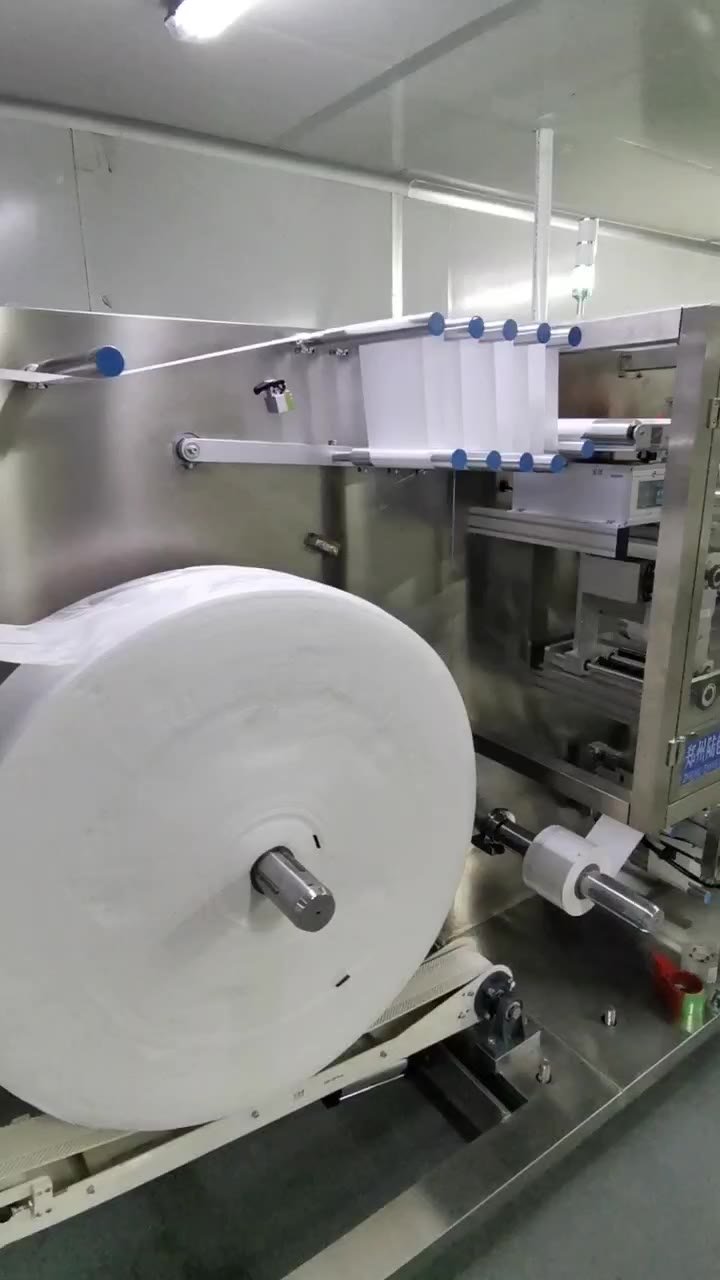
On a modern production line, these steps happen continuously, in seconds, as the materials feed through the machine:
1. Pulp defibration
Sheets of fluff pulp are fed into a defibrator (hammermill) that shreds them into soft, loose fluff — the raw bulk of the absorbent core.
2. Core forming and SAP blending
The fluff is shaped into a core and blended with SAP in the right ratio for the target absorbency. The core is typically wrapped in a layer of tissue or SAP paper to hold its shape and contain the polymer.
3. Layering (lamination)
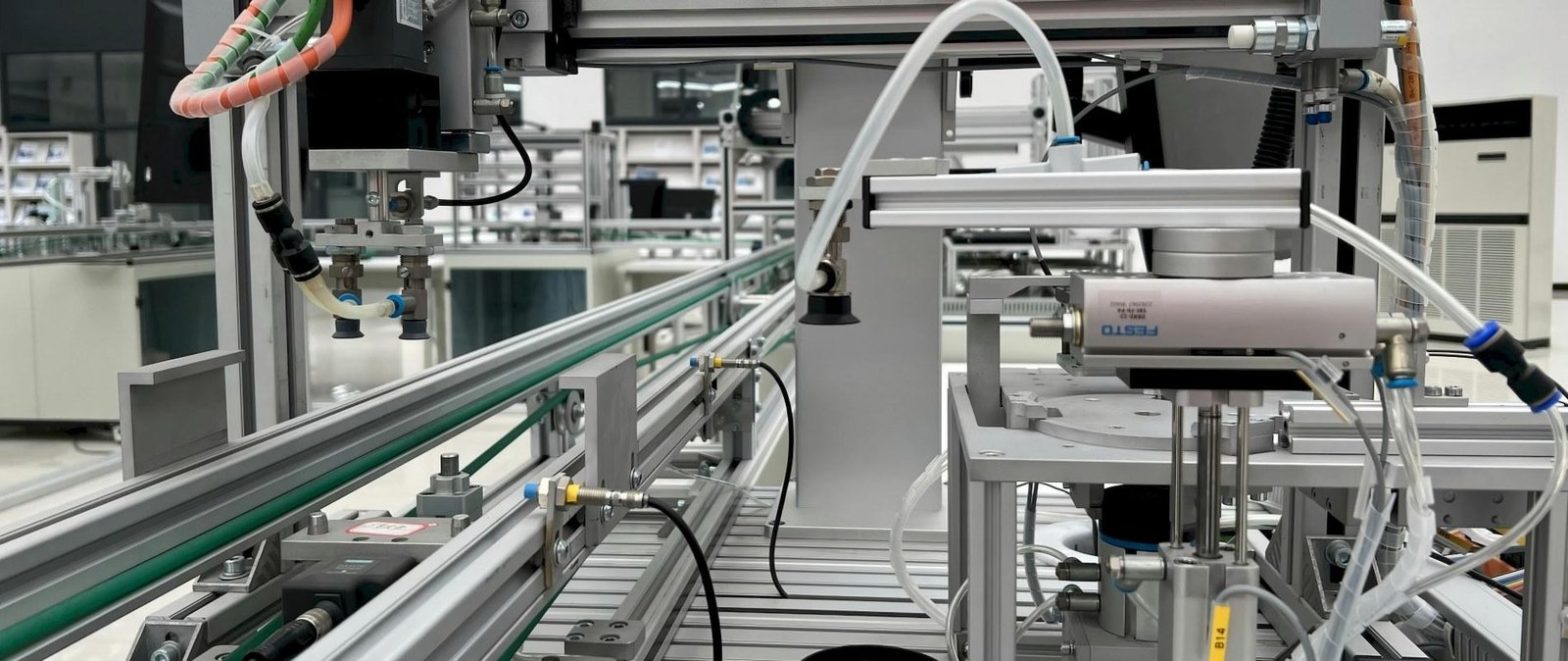
The line brings the layers together in order: topsheet nonwoven on top, the acquisition layer beneath it, the absorbent core in the middle, and the PE backsheet film on the bottom. Precise tension control and web guiding keep every roll of material aligned at full speed — this is where machine quality really shows.
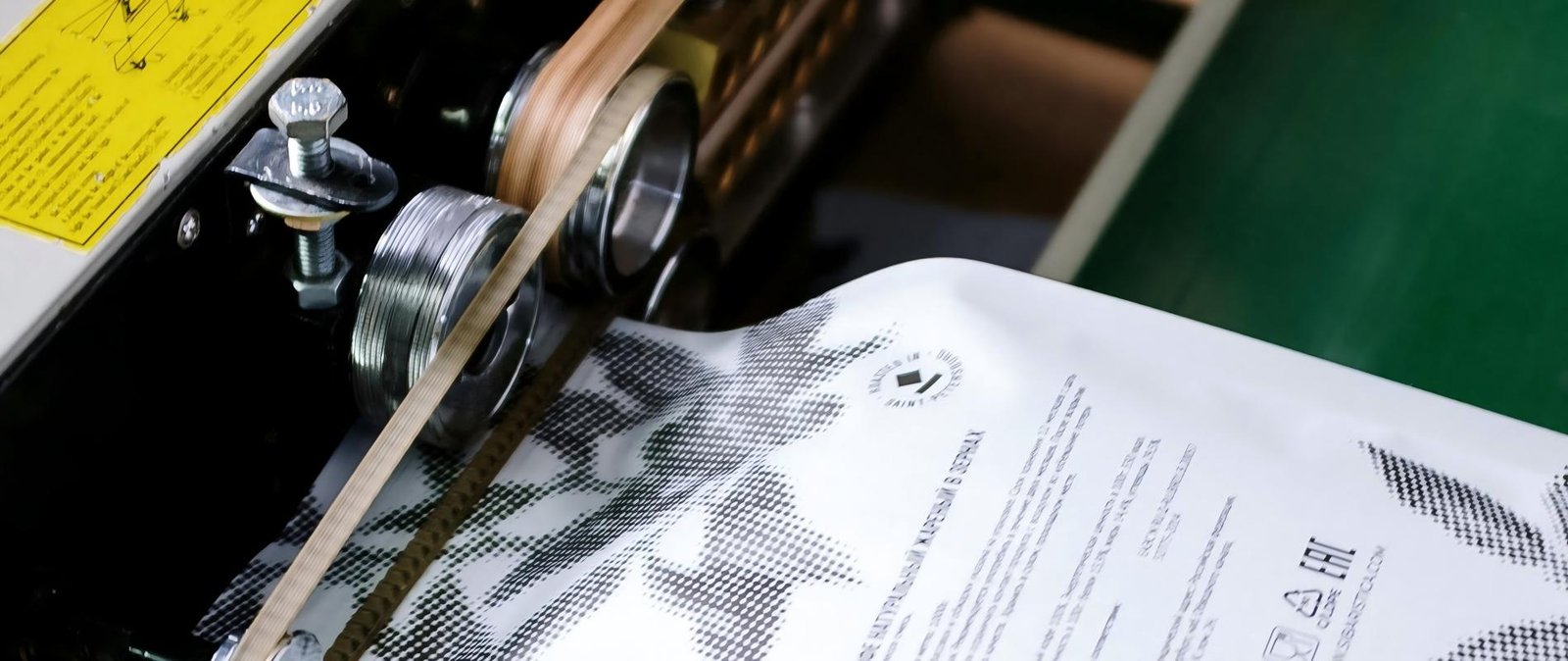
4. Embossing and sealing
The layers are bonded and embossed (the channels and patterns you see on a pad). Two methods are common:
- Ultrasonic sealing — uses ultrasonic waves and a steel roller, no thread and no heat, giving a flat, clean, wrinkle-free seal and long cutting-die life.
- Heat / thermal sealing — bonds with heat and pressure.
5. Adhesive and release paper
Hot-melt adhesive is applied to the backsheet and to the wings, and the silicon release paper is laid over the glue to protect it until the consumer peels it off.
6. Shaping, wing forming and cutting
A steel cutting die stamps the pad into its final contoured shape and forms the wings. Good lines run a low rejection rate (around 2–3% or better).
7. Folding
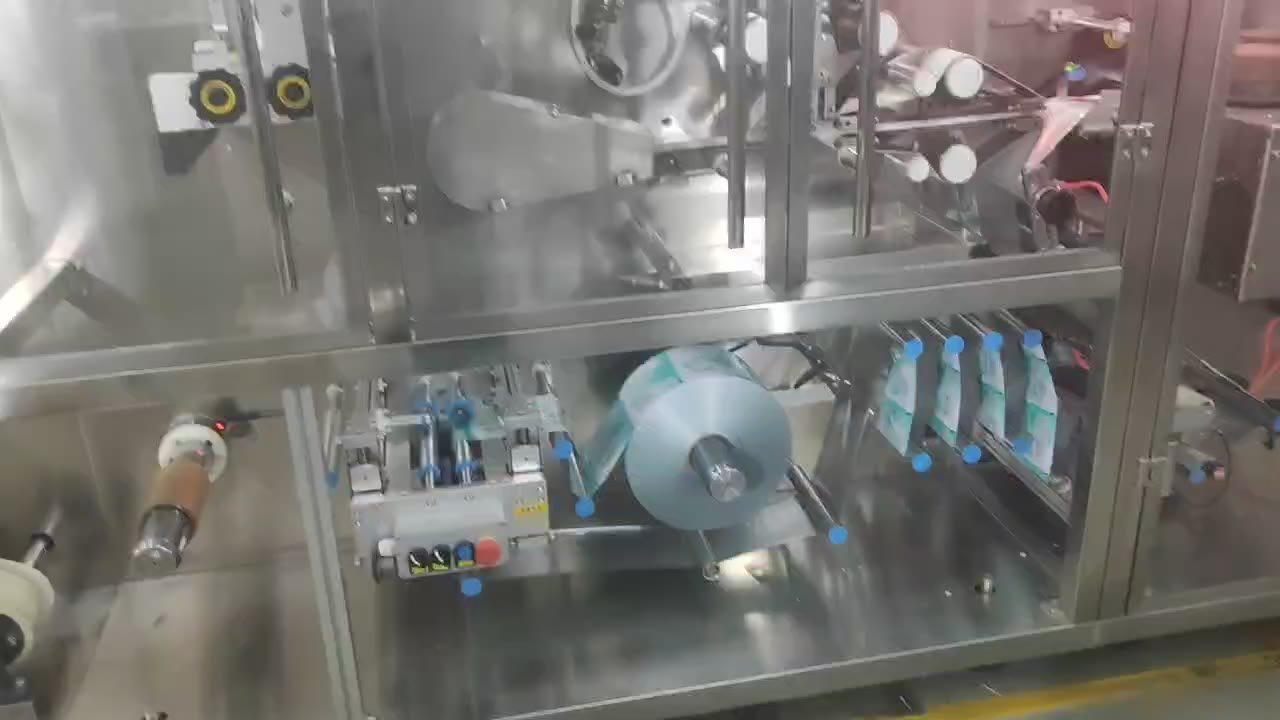
Each pad is folded — usually around its own wrapper.
8. Counting, wrapping and packaging
Finished pads are counted, individually wrapped, and then bagged or boxed. On a full-servo line, an integrated stacker and bagger handle this automatically; on a semi-automatic line, wrapping and packing are partly done by hand.
9. Quality control (throughout)
Quality isn’t a final step — it runs across the line. Pads are checked for absorption capacity, proper sealing, leak resistance and clean finishing. Many markets also require sterilization, batch coding and compliance testing before the product can be sold.
Made by hand or by machine?
At any real scale, by machine. A semi-automatic machine automates the core steps (core forming, sealing, cutting) while operators handle feeding and packing — it runs around 250–400 pads per minute. A full-servo automatic line automates everything from material feeding to bagging and runs 700–1,000 pads per minute. Either way, the absorbent core and precise sealing are done mechanically; consistency at this speed is impossible by hand.
How the “recipe” changes the pad
Manufacturers tune the same process for different products:
- Ultra-thin pads — higher SAP ratio, less fluff pulp, thinner core.
- Overnight / maxi pads — more fluff pulp for bulk and a larger core.
- Biodegradable / organic pads — bamboo or cornstarch-based nonwovens, sustainably sourced wood pulp, and eco-friendly SAP alternatives.
The machine, the materials, and the sealing method all have to suit the pad you intend to sell.
From process to production
Understanding the process is the easy part — building a line that runs it reliably comes down to two things: the right machine for your volume and product, and a steady supply of compatible raw materials (nonwoven, SAP, fluff pulp, PE film, adhesive). Get those matched correctly and the process above runs smoothly; mismatch them and you get jams, leaks and rejects.
Want to go deeper?
- To choose the machine that runs this process, see Sanitary Pad Making Machine: How to Choose the Right One.
- To budget the whole operation, see How Much Does It Cost to Start a Sanitary Pad Factory?
Where Zhenbao Trading can help
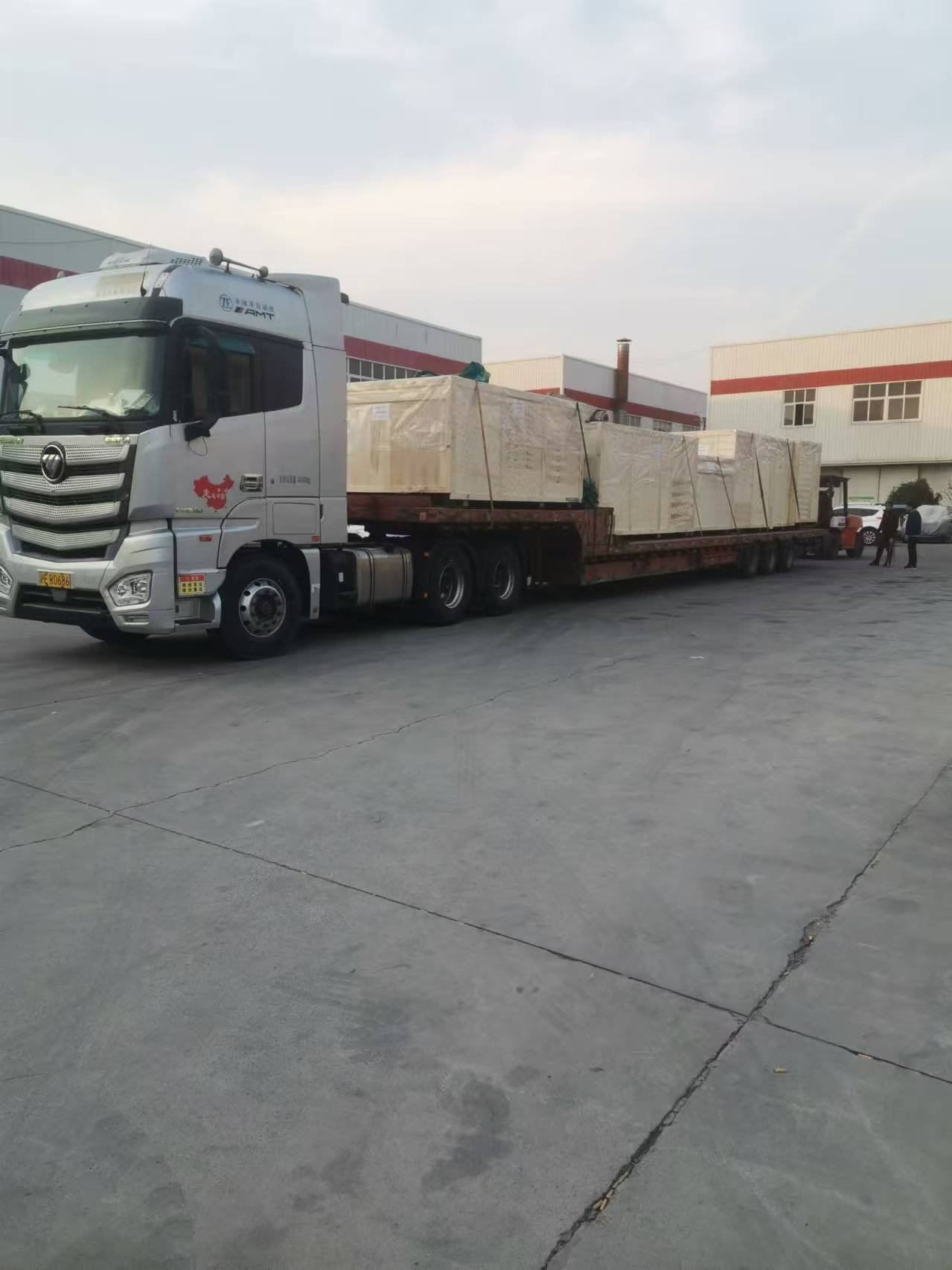
We’re a China-based machinery supplier and sourcing partner with 15 years in foreign trade. We supply semi-automatic and full-servo sanitary pad making machines, help source the raw materials that run through them (nonwoven, SAP, fluff pulp, PE film, adhesive), and arrange inspection, shipping and installation support — so the process above works as well in your factory as it does on paper.
Thinking about manufacturing your own pads? [Contact us / request a quote] with your target product and volume, and we’ll suggest a machine and material setup.
FAQ
What are sanitary pads made of? Nonwoven fabric (topsheet and wings), an acquisition layer, an absorbent core of fluff pulp and super absorbent polymer (SAP), a PE backsheet film, hot-melt adhesive and release paper, plus wrapping film.
Why don’t pads leak? The SAP in the core turns fluid into a gel and holds it even under pressure, while the PE backsheet film blocks fluid from passing through the bottom.
Are sanitary pads made by hand or by machine? By machine. Semi-automatic machines make 250–400 pads per minute; full-servo lines reach 700–1,000 per minute.
How long does it take to make one pad? On a running line, pads are produced continuously — hundreds per minute — so a single pad is effectively made in a fraction of a second as material flows through the machine.
Can sanitary pads be made biodegradable? Yes — using bamboo or plant-based nonwovens, sustainably sourced wood pulp and eco-friendly SAP, though material cost and sourcing differ from conventional pads.
This guide describes a typical modern sanitary pad production process as of 2026. Exact steps, materials and equipment vary by manufacturer and product type.