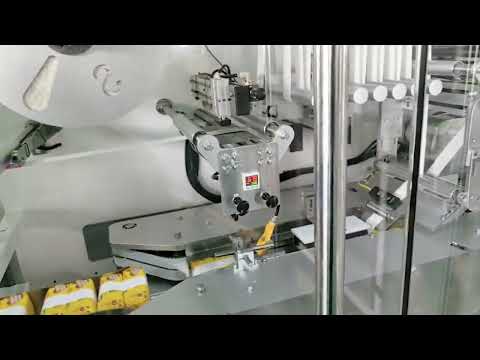
What Is a Factory Acceptance Test (FAT) and Why You Need One Before Shipping
You’ve negotiated the contract, paid the 30% deposit, and your Chinese supplier just sent you a message:
“Machine is ready. Please arrange balance payment so we can ship.”
Your instinct might be to wire the money, clear customs, and get the machine running. But here’s the problem:
Once that machine leaves the factory, your leverage drops to near zero.
If it arrives damaged, misconfigured, or missing components, you’re stuck negotiating repairs from 8,000 miles away — and your supplier suddenly becomes much harder to reach.
The solution? A Factory Acceptance Test (FAT) — a formal inspection and performance verification conducted at the supplier’s facility before you release final payment.
This guide explains what a FAT is, what it should cover, who should conduct it, and how to structure it into your purchase agreement so you’re protected.
What Is a Factory Acceptance Test (FAT)?
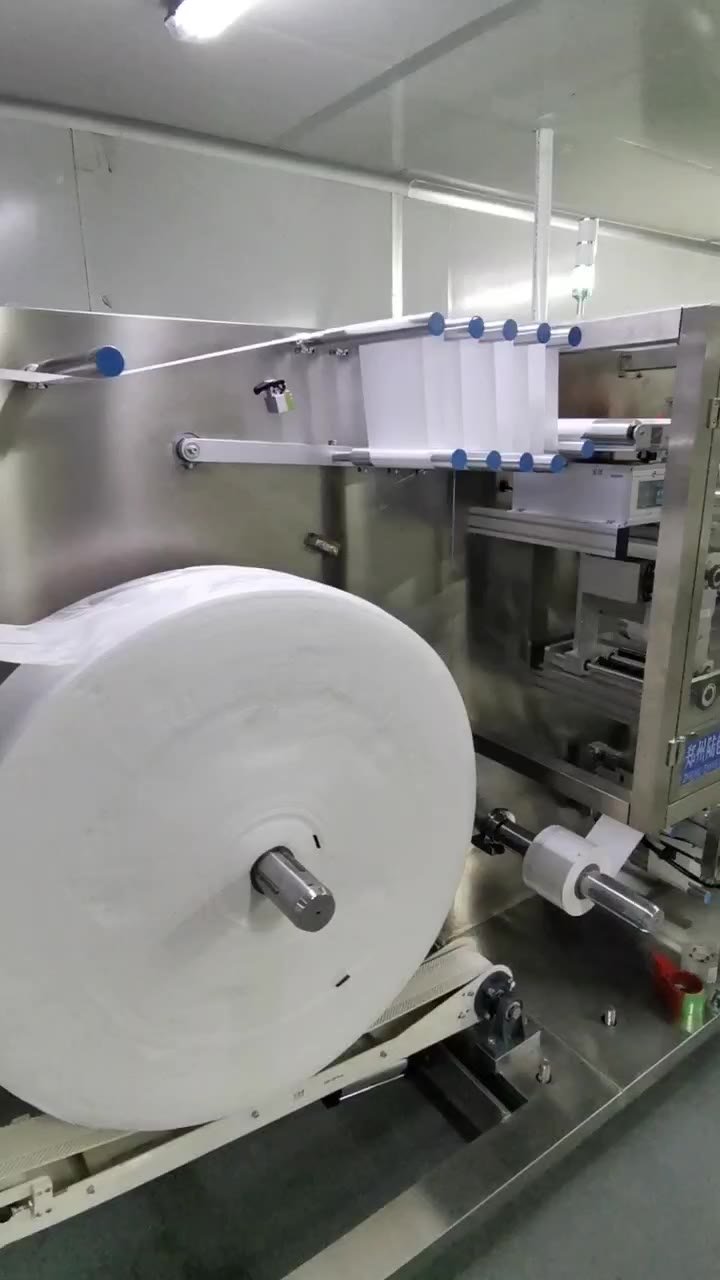
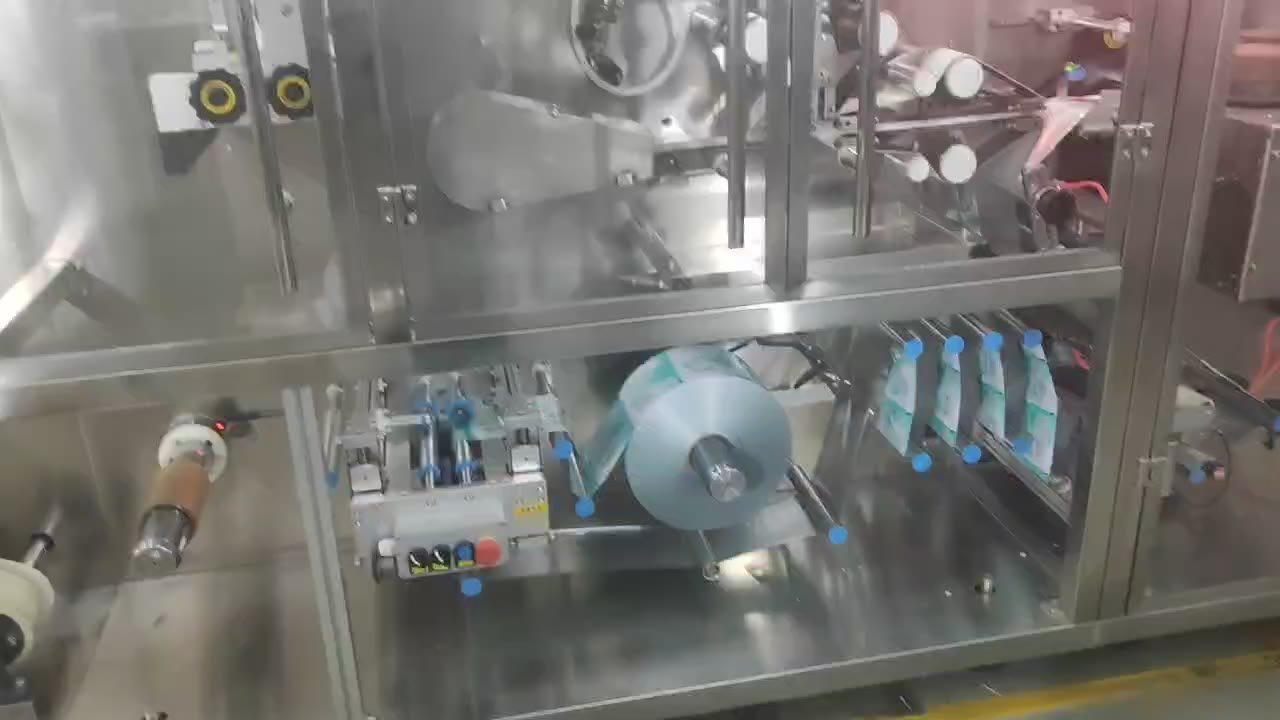
A Factory Acceptance Test is a pre-shipment inspection where you (or your representative) physically verify that the machine:
- Matches the agreed specifications
- Functions correctly (runs at rated speed, produces acceptable output, meets quality standards)
- Includes all accessories, spare parts, and documentation
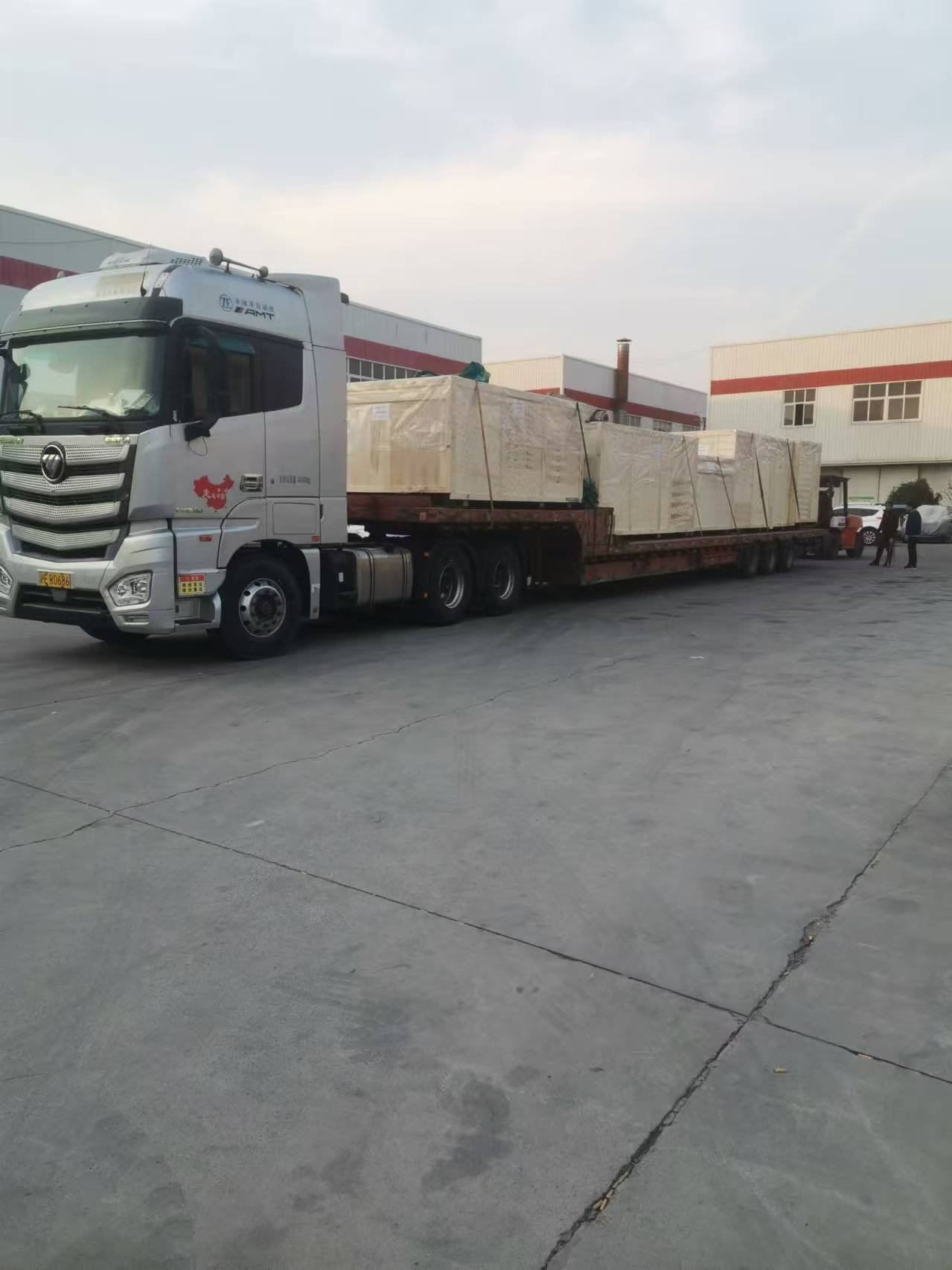
- Is properly packaged for international shipping
The FAT is usually conducted at the supplier’s factory, witnessed by you, your engineer, or a third-party inspector. It’s documented in a FAT report and signed off by both parties.
Key point: Until the FAT is passed, you withhold the 70% balance payment. This gives you leverage to demand corrections before the machine is crated and shipped.
Why You Need a FAT (Especially for Chinese Machinery)
- You Catch Problems When They’re Fixable
If the machine has a defect, it’s far easier (and cheaper) to fix it while it’s still in the supplier’s workshop. Once it’s shipped:
- You pay for a technician to fly to your facility ($3,000–$10,000)
- You wait weeks for replacement parts
- Your production schedule is delayed
- You’re negotiating from a weak position
A FAT catches issues before they become your problem.
- You Verify the Machine Actually Exists
It sounds obvious, but scams happen. Some “suppliers” are just middlemen who don’t own a factory. A FAT forces them to produce a real, working machine — or reveal themselves as frauds before you’ve paid in full.
- You Get Documentation and Training
A good FAT includes:
- Hands-on training for your operators (or at least a detailed video walkthrough)
- Verification that the user manual matches the actual machine
- Spare parts list and confirmation that critical spares are included
Without a FAT, you might receive a machine, a generic manual (for a different model), and zero support.
- You Hold Leverage Until the End
Payment terms like 30/70 (30% deposit, 70% before shipment) only protect you if you actually inspect before releasing the balance. Otherwise, you’re just paying 100% upfront in two installments.
What Should a FAT Cover?
A comprehensive FAT checks four areas:
- Physical Inspection
Verify:
- Machine model and serial number match the purchase order
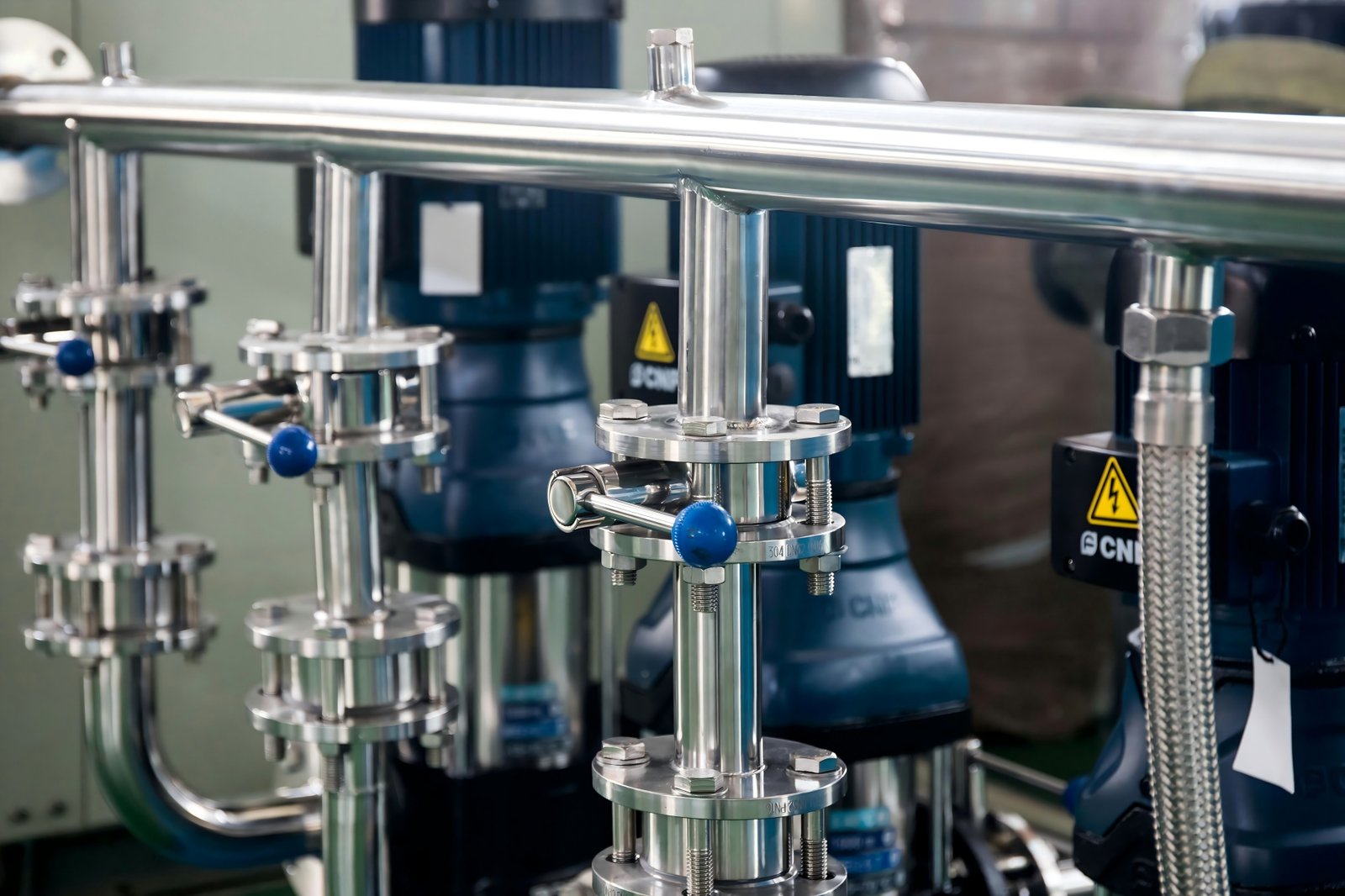
- All specified components are present (motors, sensors, control panels, safety guards)
- Build quality: welds, paint, alignment, cleanliness
- No visible damage, rust, or loose parts
Red flag: Machine looks hastily assembled, with mismatched parts or poor finishing.
- Functional Testing
Run the machine through its full operational cycle:
- Power-up sequence — does it initialize correctly?
- Speed test — does it hit the rated output (e.g., 100 packs/min)?
- Quality test — produce sample output and check for defects (seals, cuts, fills, labels)
- Safety systems — test emergency stop, interlocks, guards
- Control interface — verify HMI (touchscreen) is intuitive and in the correct language
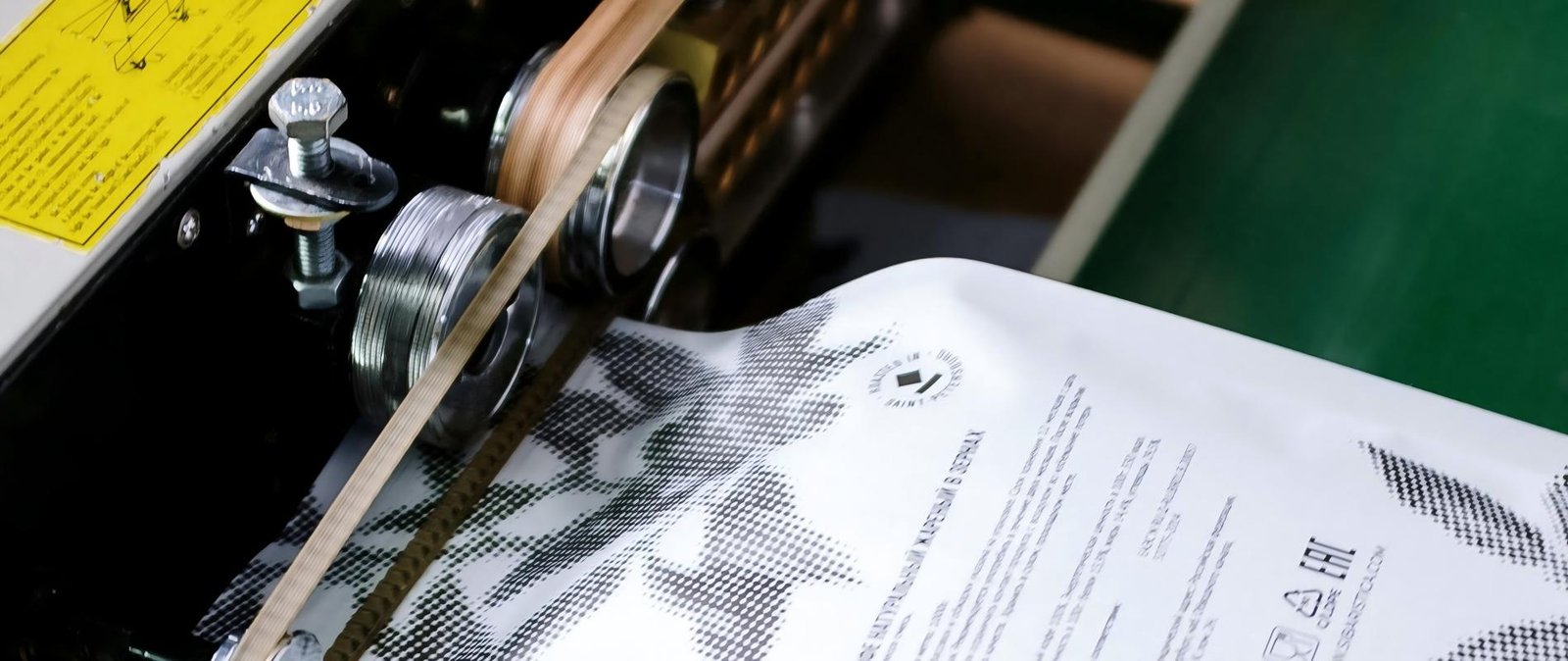
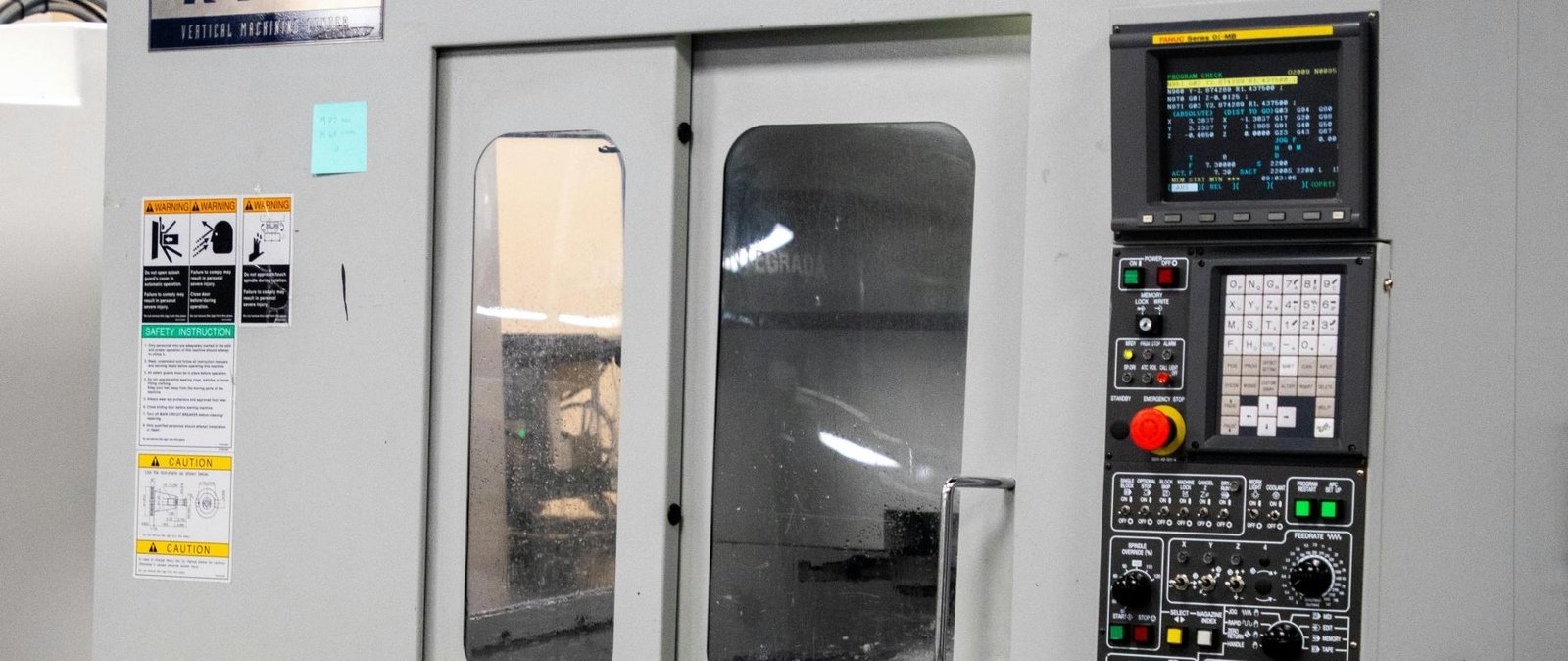
Use actual materials: If it’s a packaging machine, bring real product and film. If it’s a CNC lathe, bring a test piece. Don’t accept a demonstration with “equivalent” materials.
- Documentation and Accessories
Confirm you’ll receive:
- User manual (in English or your language)
- Electrical, pneumatic, and hydraulic schematics
- Spare parts list with photos and part numbers
- CE Declaration of Conformity (if required)
- Warranty certificate
- All accessories: tools, spare parts, calibration instruments
Check the manual: Does it match your machine’s control panel and layout? Generic manuals from a different model are useless.
- Packaging and Shipping Readiness
Before the machine is crated:
- Verify it’s properly protected (foam, shrink wrap, desiccant for moisture)
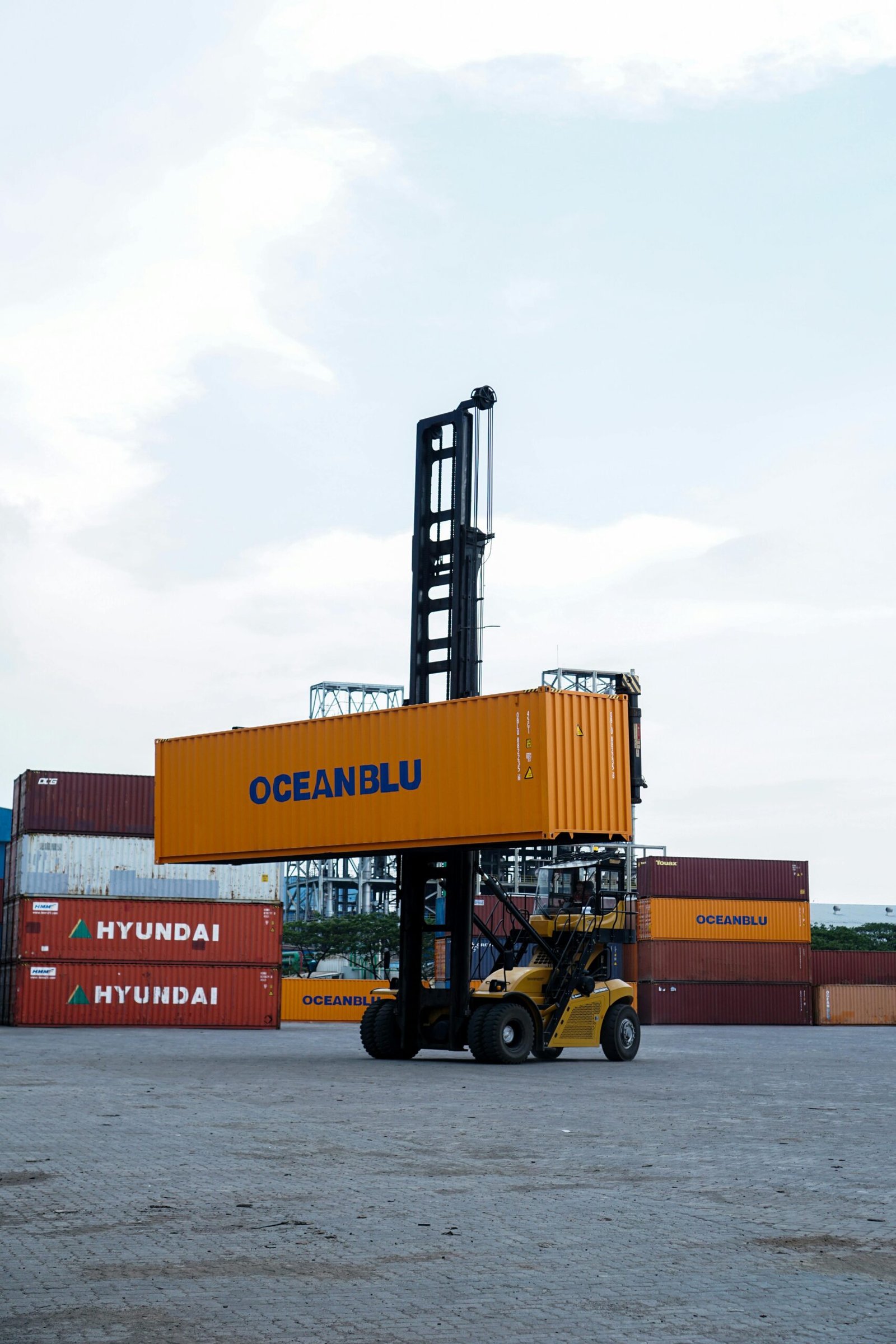
- Check the crate is sturdy (export-grade wood, fumigated if required)
- Ensure fragile components (touchscreens, sensors) are separately cushioned
- Confirm dimensions and weight match the shipping quote
Why this matters: Poorly packaged machines arrive damaged. Once customs clears it, damage claims are nearly impossible to win.
Who Should Conduct the FAT?
You have three options:
Option A: You (or Your Engineer) Visit in Person
Pros:
- You see exactly what you’re getting
- You can ask questions and request changes in real time
- You build a relationship with the supplier
Cons:
- Costs $2,000–$5,000 (flights, hotel, time)
- Requires technical knowledge to evaluate the machine
Best for: Orders >$50,000, custom machines, or first-time suppliers.
Option B: Hire a Third-Party Inspector
Companies like SGS, TÜV, AsiaInspection, or freelance engineers can conduct the FAT on your behalf.
Cost: $500–$1,500 depending on machine complexity and location.
Pros:
- Professional, objective assessment
- Detailed report with photos and measurements
- No need to travel
Cons:
- Inspector may not know your specific application
- You’re not there to make judgment calls
Best for: Standard machines, verified suppliers, or when travel isn’t feasible.
Option C: Remote Video FAT
If budget is tight, insist on a live video walkthrough via Zoom/WhatsApp where you:
- Control the camera angle (not a pre-recorded video)
- See the machine running at full speed with your materials
- Verify serial numbers and included accessories
- Ask questions in real time
Cost: Free (but requires trust and good communication)
Pros: Better than nothing
Cons: You miss details (sound, vibration, build quality up close)
Best for: Low-value machines (<$20,000) from suppliers with good references.
How to Structure a FAT into Your Contract
Include these clauses in your purchase agreement:
- FAT as a Payment Milestone
“The 70% balance payment will be released only after a successful Factory Acceptance Test. The Buyer (or Buyer’s representative) will conduct the FAT at Supplier’s facility within 10 working days of Supplier’s notification that the machine is ready.”
- Define FAT Criteria
“The machine will pass FAT if it meets the following criteria:
- Operates at [X] units per minute for 2 consecutive hours
- Produces output meeting quality standard [describe or reference spec]
- All accessories and spare parts listed in Annex A are present
- User manual in [language] is provided and matches the machine”
- Remediation Process
“If the machine fails FAT, Supplier will correct deficiencies within [X] days and reschedule FAT. Buyer is not obligated to pay balance until FAT is passed.”
- Inspector Access
“Supplier agrees to provide full access to the machine, technical staff, and documentation during FAT. Buyer may bring an independent inspector at Buyer’s expense.”
Real-World Example: What a Failed FAT Saves You
Buyer: Kenyan food packaging company
Machine: Vertical form-fill-seal (VFFS) machine, $38,000
FAT findings:
- Machine hit only 65 packs/min (contract specified 80 ppm)
- Film tension control was inconsistent, causing wrinkled bags
- User manual was for a different model
- Missing: heat sealer spare parts
Outcome:
- Supplier fixed speed issue (faulty servo tuning)
- Adjusted film path
- Provided correct manual and spares
- Re-tested 1 week later → passed
Cost if they’d shipped without FAT:
- $4,000 to fly a technician to Kenya
- 3 weeks downtime
- Potential dispute over who pays for fixes
Cost of FAT: $800 (third-party inspector)
ROI: $3,200 + saved relationship with supplier
Common FAT Mistakes to Avoid
- Skipping the FAT Because “We Trust Them”
Trust is good. Verification is better. Even honest suppliers make mistakes.
- Conducting FAT Too Late
Don’t schedule the FAT the day before the shipping deadline. Give yourself time to fix issues without pressure.
- Accepting a “Desktop FAT” (Photos + Video)
Unless it’s live and interactive, pre-recorded videos can hide problems.
- Not Testing With Your Actual Materials
A machine that works perfectly with supplier’s sample film might fail with your thicker, printed film. Bring your materials.
- Signing Off Too Quickly
Don’t let the supplier pressure you to “just sign” so they can meet a shipping schedule. If something’s wrong, document it and demand fixes.
FAT Checklist (Print and Bring)
Before FAT:
- [ ] Contract specifies FAT criteria and payment terms
- [ ] Supplier confirmed machine is ready
- [ ] Travel or inspector arranged
- [ ] Actual materials (product, film, etc.) shipped to factory
During FAT:
- [ ] Serial number matches PO
- [ ] All components and accessories present
- [ ] Machine powers up correctly
- [ ] Achieves rated speed for 2+ hours
- [ ] Output quality meets spec
- [ ] Safety systems function
- [ ] HMI in correct language
- [ ] Manual matches machine
- [ ] Spare parts verified
- [ ] Packaging adequate
After FAT:
- [ ] FAT report signed by both parties
- [ ] Deficiencies documented (if any)
- [ ] Remediation timeline agreed
- [ ] Balance payment released (if passed)
Conclusion
A Factory Acceptance Test isn’t optional paperwork — it’s your last line of defense before a machine becomes your problem instead of their problem.
For $500–$1,500 (or a plane ticket), you verify that:
- The machine exists and works
- It matches what you paid for
- You have leverage to demand fixes
If your supplier resists a FAT, that’s a red flag. Confident suppliers welcome inspections.
Need help arranging a FAT in China or structuring your purchase agreement? Contact us — we manage inspections, contract terms, and supplier coordination to ensure your machine arrives as promised.