Why Mexican Manufacturers Are Quietly Switching to Chinese Machinery (And What They Know That You Don’t)

Five years ago, if you walked into a mid-sized Mexican manufacturing facility, the machinery nameplates read like a European hall of fame: Bosch, Siemens, Tetra Pak, IMA.

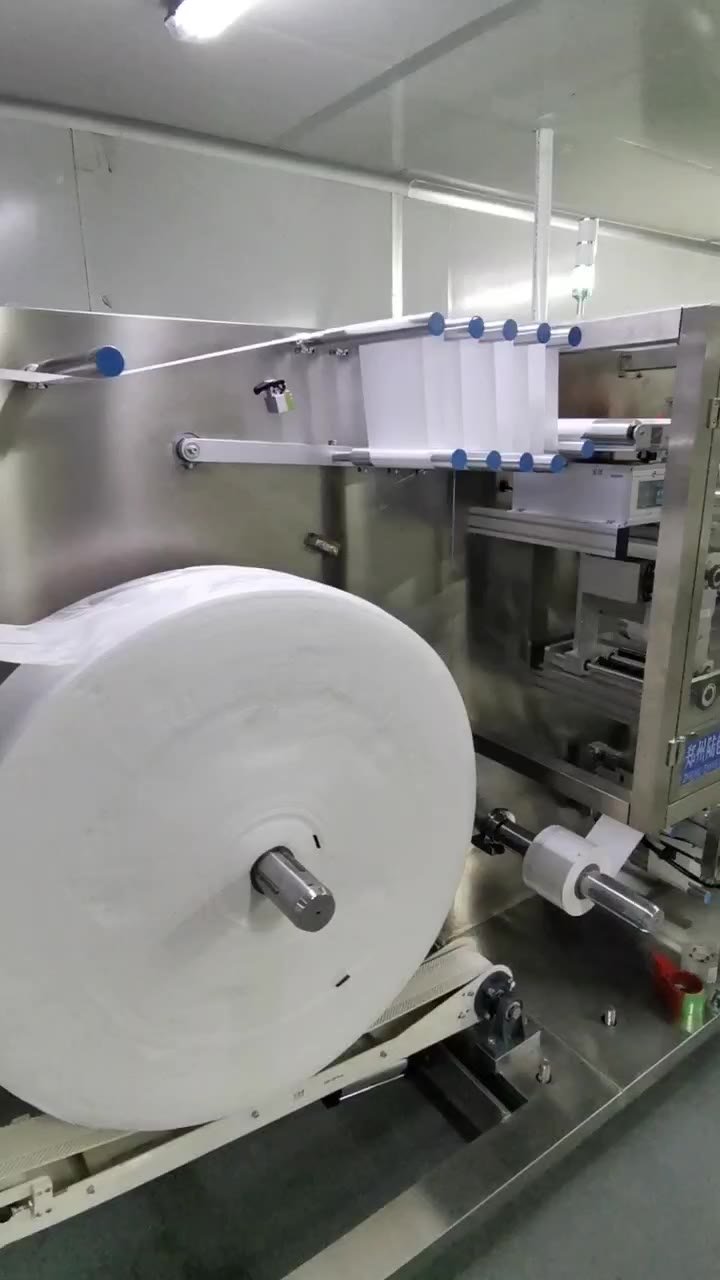
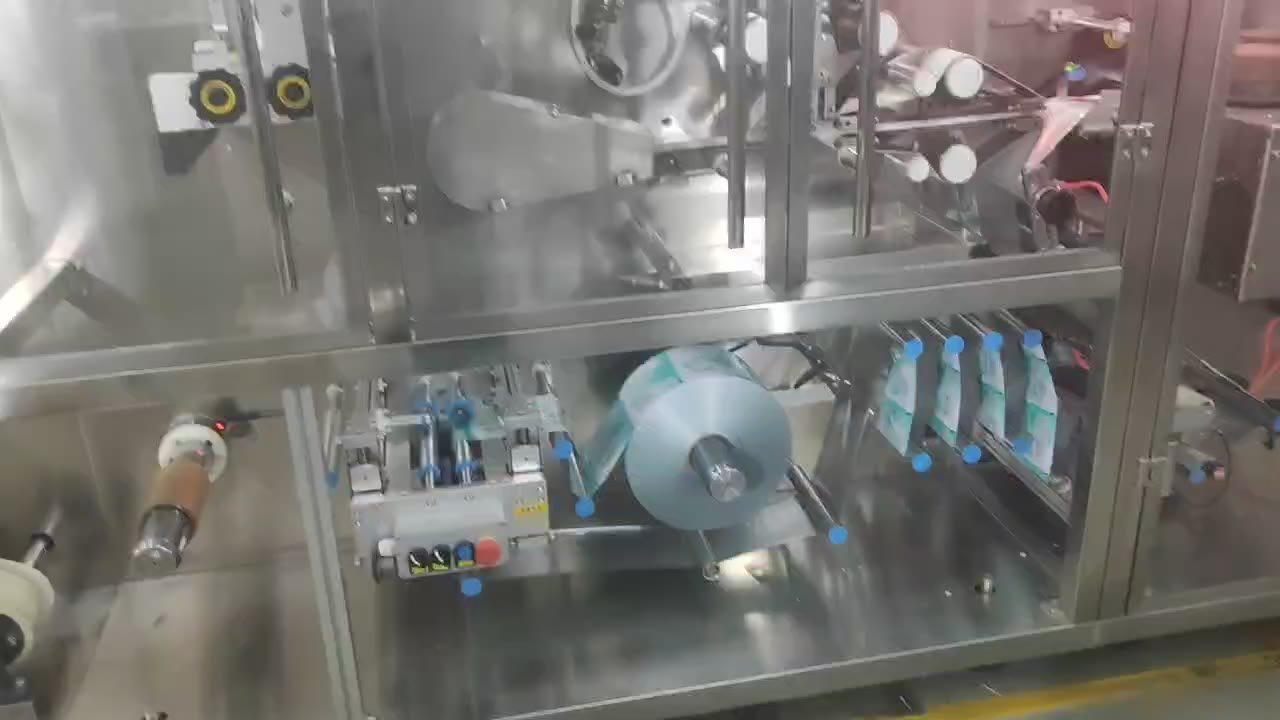
Today? Increasingly, those same factories are spec’ing Chinese equipment for new lines and expansion projects.

This isn’t a race to the bottom on quality. It’s a calculated shift driven by Mexican manufacturers who’ve done the math—and realized the old assumptions about European machinery superiority no longer justify the 2-3× price premium.

After 15 years working on the China supply side and watching this transition accelerate, here’s what’s actually driving Mexican manufacturers toward Chinese machinery—and what other buyers can learn from their logic.

The Old Playbook: European = Quality, Chinese = Cheap

The traditional assumption:

  • European machinery: premium quality, reliable, worth the investment
  • Chinese machinery: low cost, questionable durability, risky

What that translated to in purchasing decisions:

  • Critical production lines: buy European, budget 2-3× more
  • Secondary/auxiliary equipment: consider Chinese to save money
  • Never mix—keep your “real” production on European gear

The problem with this playbook in 2026: It’s outdated by about a decade.

What Changed: Chinese Machinery Closed the Gap

Mexican manufacturers didn’t suddenly stop caring about quality. Chinese machinery got dramatically better—and Mexican buyers noticed.

What improved:

  1. Component quality
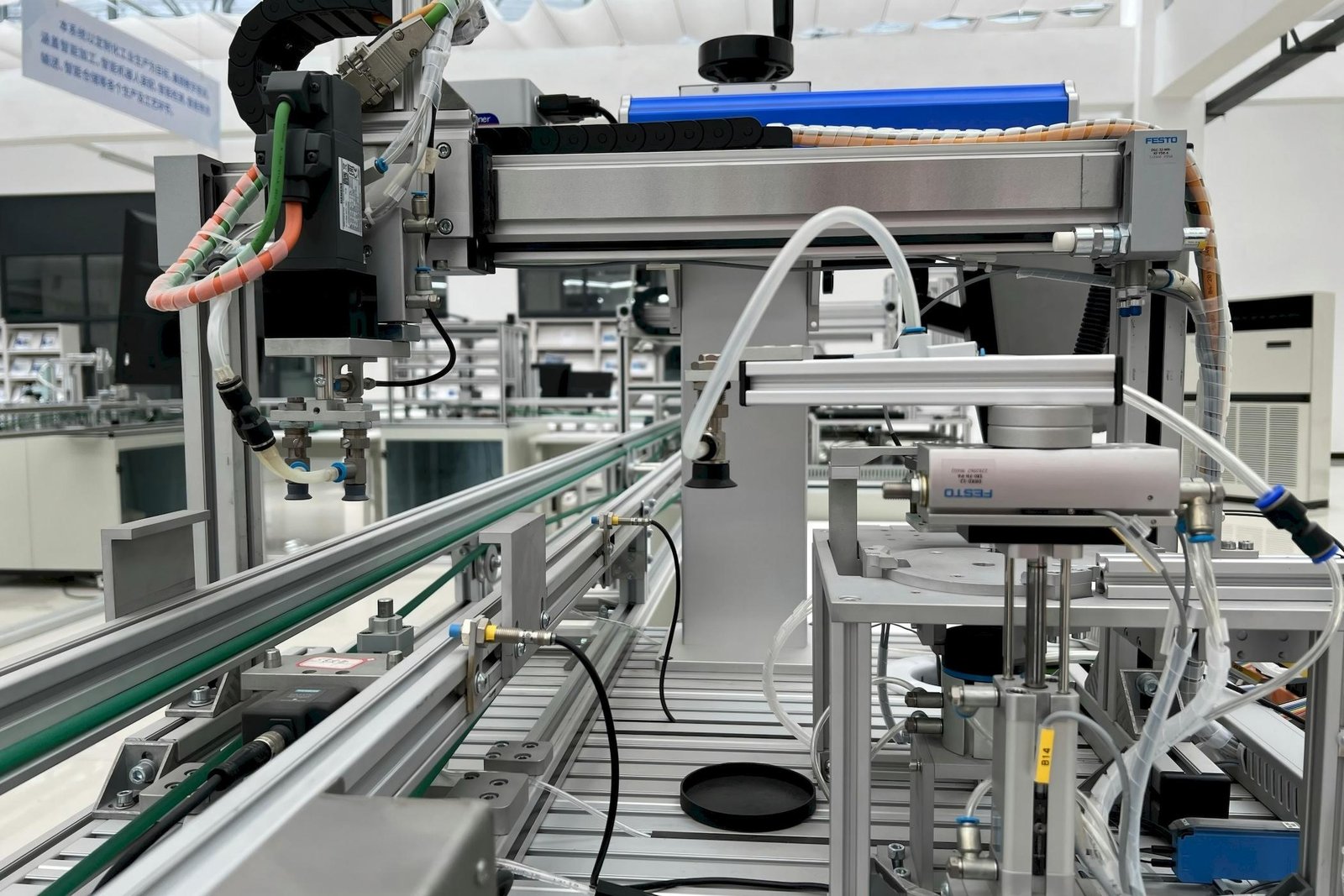
    Modern Chinese machinery uses the same core components buyers trust:
  • Mitsubishi or Siemens PLCs (not knock-offs)
  • Japanese bearings and servo motors
  • European sensors and safety systems

The machine might be assembled in Hangzhou, but the critical components are the same brands you’d find in a German-built line.

  1. Engineering standards
    Chinese manufacturers adopted international standards:
  • CE certification (real compliance, not just a sticker)
  • ISO 9001 quality management
  • Design collaboration with European engineering firms
  1. After-sales support
    Chinese suppliers built out local support infrastructure:
  • Spanish-speaking technical teams
  • Regional spare parts warehouses (reducing lead times from 8 weeks to 2)
  • Remote diagnostics and video support
  1. Proven track record
    Enough Mexican facilities have been running Chinese equipment for 5-10 years that the “we don’t know if it’ll last” concern is answerable: yes, it lasts. The New Math: 40% of the Cost, 85% of the Capability

Here’s the calculation Mexican manufacturers are running:

European packaging line:

  • Upfront cost: $450,000
  • Expected lifespan: 12-15 years
  • Annual maintenance: $8,000
  • Support: local technician available, premium service

Equivalent Chinese line:

  • Upfront cost: $180,000
  • Expected lifespan: 10-12 years
  • Annual maintenance: $10,000
  • Support: remote + regional warehouse, occasional on-site visits

The capability gap: 85-90% equivalent.

The Chinese line might run 5% slower, have a less polished HMI interface, and require slightly more operator training. But it produces the same product to the same quality standard.

The cost gap: 60% savings upfront.

That $270,000 difference funds:

  • A second production line (expanding capacity instead of just replacing)
  • Working capital for raw materials
  • Market expansion
  • 3-4 years of operating costs

For a mid-sized Mexican manufacturer, that’s not “saving money by buying cheap.” That’s capital allocation that makes strategic sense.

Where Chinese Machinery Actually Wins (Beyond Price)

  1. Customization flexibility
    European manufacturers often sell standardized configurations. Want a custom modification? Long lead time, high engineering fees, or “not available.”

Chinese manufacturers are more willing to adapt:

  • Custom packaging sizes
  • Integration with existing lines
  • Modified control systems
  • Specific regional requirements (voltage, language, safety standards)
  1. Faster delivery
    European machinery: 6-12 month lead times are common.
    Chinese machinery: 60-90 days is standard.

When you’re ramping up to meet a new contract, 4-6 months of lost production opportunity has a real cost.

  1. Lower barrier to scaling
    If you’re adding a second or third line, the lower capital requirement of Chinese equipment means you can scale faster with the same budget.

Example: A Mexican food packaging company chose Chinese over European for their third line. Why? They could buy two Chinese lines for the cost of one European line—doubling capacity instead of just adding 30%.

Where European Machinery Still Wins

This isn’t a “Chinese equipment is better” story. It’s a “Chinese equipment reached ‘good enough for most applications'” story.

European machinery still makes sense when:

  1. You need absolute maximum uptime
    Pharmaceutical, aerospace, or other industries where a 0.5% improvement in uptime justifies a 2× cost.
  2. You’re producing ultra-high precision products
    Tolerances measured in microns, where the engineering premium matters.
  3. You need local same-day service
    If downtime costs $50K/day and you need a technician on-site within 4 hours, European manufacturers with local branches win.
  4. Your customer specifies equipment origin
    Some contracts require European-made machinery (less common than it used to be, but still exists). What Mexican Manufacturers Learned (That Applies Everywhere)

Lesson 1: Test before you commit
Smart Mexican buyers visit Chinese factories, witness Factory Acceptance Tests, and verify claims before signing. The “cheap mystery box” era is over—serious buyers demand verification.

Lesson 2: Relationship matters more than brand
A Chinese supplier who answers calls, ships spares on time, and fixes problems quickly beats a prestigious European brand with poor local support.

Lesson 3: Calculate total cost, not purchase price
Lower upfront cost + slightly higher maintenance + faster ROI = better deal for growth-stage manufacturers.

Lesson 4: Don’t mix when you don’t need to
Some Mexican facilities run 100% Chinese equipment and standardize on one supplier. Easier training, common spare parts, single point of support.

The Hybrid Strategy: Best of Both Worlds

Some Mexican manufacturers are running a smart hybrid approach:

Core/critical lines: European machinery (proven, maximum uptime)
Expansion/secondary lines: Chinese machinery (lower capital, faster scaling)
Auxiliary equipment: Chinese (no-brainer savings)

This balances risk (don’t bet the whole operation on a new supplier) with opportunity (don’t overpay for every piece of equipment).

What This Means for Buyers in Other Markets

If Mexican manufacturers—who have easy access to U.S. and European suppliers, who prioritize reliability, who serve demanding North American customers—are choosing Chinese machinery, what does that tell you?

It tells you the value proposition shifted.

Chinese machinery isn’t “good enough if you’re desperate.” It’s “good enough that paying 2-3× more doesn’t make financial sense for most applications.”

For buyers in:

  • Southeast Asia: You’re already closer to Chinese suppliers than Mexican buyers are—logistics and support are even easier.
  • Middle East / GCC: Similar calculation applies—and Chinese suppliers are increasingly familiar with your certification and compliance requirements.
  • Eastern Europe / CIS: You’ve been buying Chinese machinery for years; the lesson here is that Western buyers are catching up to what you already knew.
  • Latin America (non-Mexico): If Mexican manufacturers with mature supply chains are making this switch, the value equation likely works for you too. How to Evaluate Chinese Machinery (The Mexican Playbook)
  1. Visit the factory (or send a trusted representative)
    See it running. Meet the engineering team. Verify the component brands.
  2. Demand Factory Acceptance Test (FAT)
    Witness the machine producing your actual product at spec before you release the balance payment.
  3. Check references in your region
    Talk to other buyers in similar industries. How’s the support? How’s the uptime? Any regrets?
  4. Verify component sourcing
    Ask for the bill of materials. Confirm critical components (PLC, motors, sensors) are from reputable brands.
  5. Negotiate support terms into the contract
    Spare parts availability, response time for technical support, on-site service terms, warranty conditions.
  6. Plan for Site Acceptance Test (SAT)
    Ensure the contract includes performance verification in your facility, not just the supplier’s clean room. How We Help Buyers Navigate This Transition

At Zhenbao Trading, we work with buyers who want Chinese machinery quality without the risk of going in blind.

What we provide:

  • Factory vetting (we’ve been inside these plants, we know which ones deliver)
  • Specification verification (ensuring “Siemens PLC” means actual Siemens, not a look-alike)
  • FAT attendance (we document the test run and flag issues before your balance payment)
  • Installation support (making sure it works in your facility, not just in China)
  • Ongoing sourcing for spares and consumables

We’re not here to sell you Chinese equipment because it’s cheaper. We’re here to help you make the same smart calculation Mexican manufacturers made—and get the value without the risk.

Evaluating Chinese machinery for your next production line?
Email me at sales@zhenbaotrading.com — I’ll walk you through the verification process and connect you with vetted suppliers who’ve proven themselves in real production environments.