When you’re investing $100,000+ in industrial machinery from China, two acronyms can save you from costly disasters: FAT and SAT.
I’ve watched buyers skip one (or both) of these tests, only to face equipment that works perfectly in the supplier’s factory but fails catastrophically on their production floor. Here’s what 15 years on the supply side has taught me about why both tests matter—and what happens when you skip them.
What Is FAT (Factory Acceptance Test)?
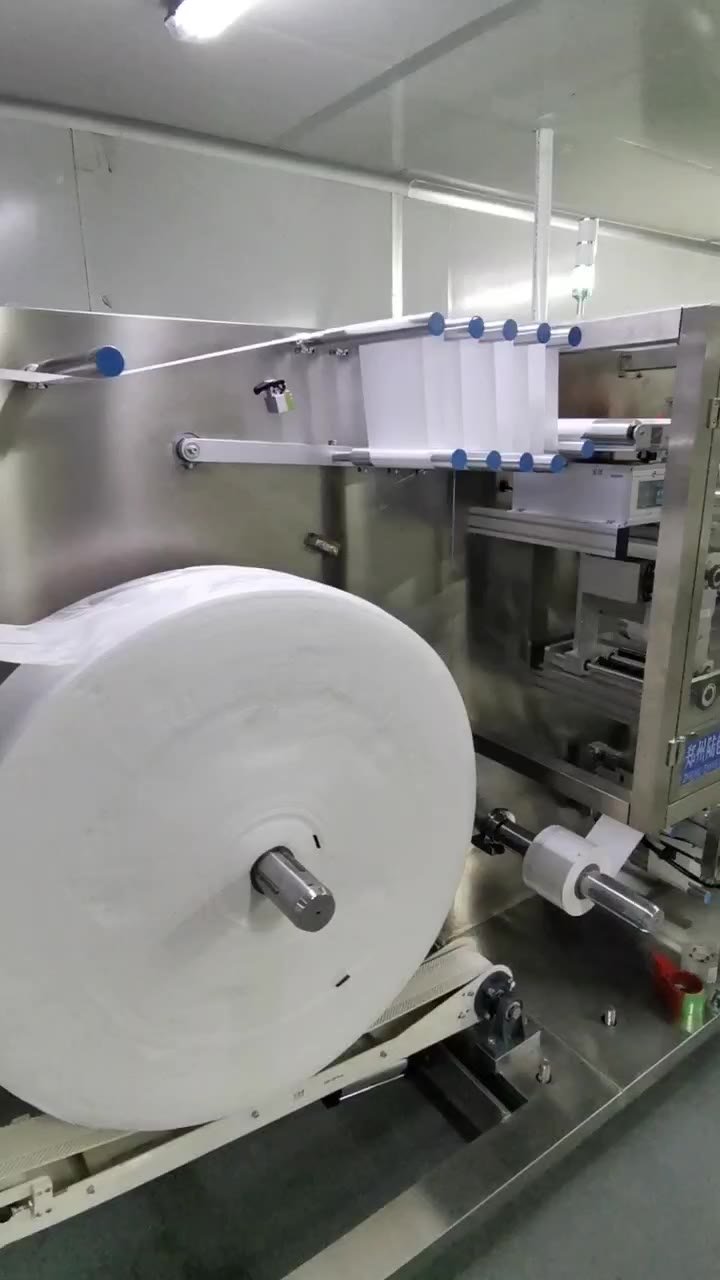
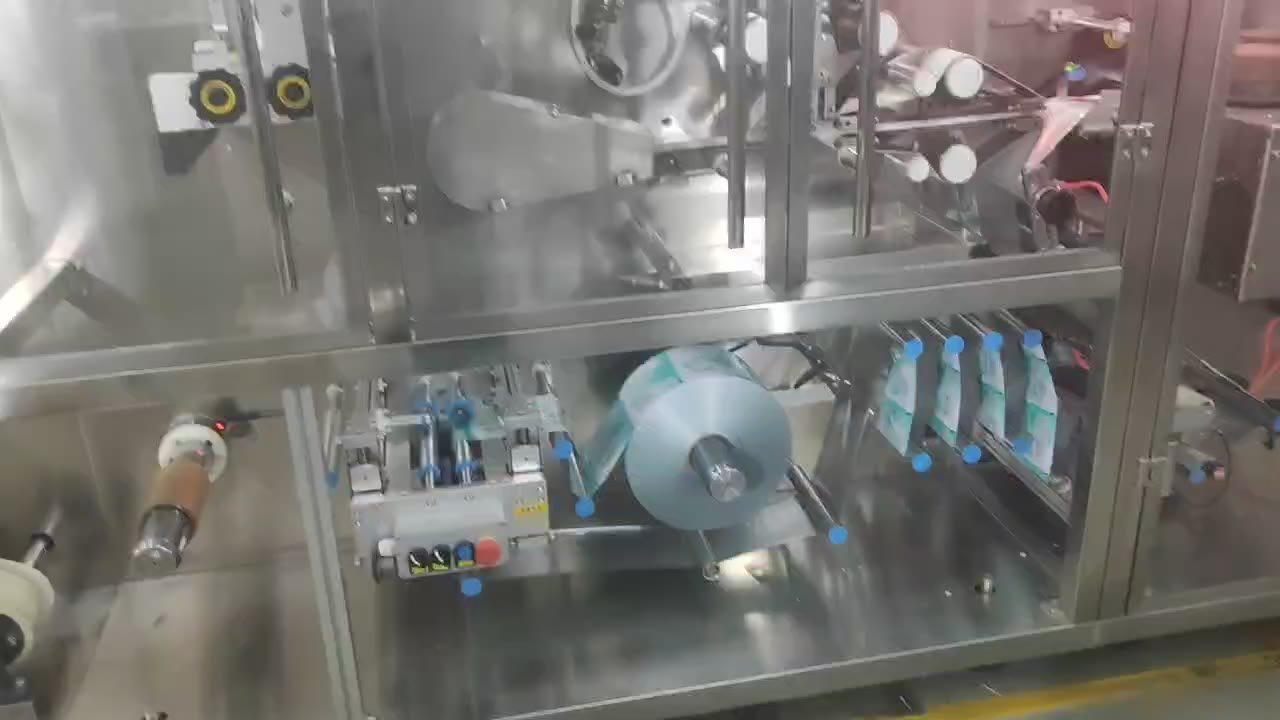
Factory Acceptance Test happens at the manufacturer’s facility in China, before the equipment ships. You (or your representative) witness the machine running under controlled conditions, producing your actual product at the promised specifications.
What FAT verifies:
- Machine produces to spec (speed, quality, dimensions)
- All components function as designed
- Control systems respond correctly
- Safety features operate properly
- The supplier can actually deliver what they promised
Typical timeline: 1-2 days of testing after production completion, before payment of the final 70% balance.
What Is SAT (Site Acceptance Test)?
Site Acceptance Test happens after installation at YOUR facility. Same machine, different environment—your power supply, your operators, your raw materials, your production floor conditions.
What SAT verifies:
- Equipment works in your specific conditions (voltage fluctuations, humidity, temperature)
- Installation was done correctly
- Your team can operate it successfully
- Integration with existing production line flows smoothly
- Real-world output matches what you saw in FAT
Typical timeline: 2-5 days after installation and commissioning, before releasing retention payment (if structured).
The $38,000 Lesson: Why You Need Both
A Mexican manufacturer ordered a wet wipes folding machine. FAT in China? Perfect. They paid the balance and shipped it.
Two months later, at their facility: the machine jammed every 20 minutes. Why? Their local power supply had voltage fluctuations the Chinese factory’s stable grid didn’t have. The PLC controller couldn’t handle it.
The cost:
- $8,000 to fly the Chinese technician back
- $12,000 in lost production during 3 weeks of troubleshooting
- $18,000 for additional voltage stabilization equipment not in the original quote
A proper SAT clause in the contract would have caught this. The supplier would have either included the stabilizer upfront or shared the remediation cost.
What Happens When You Skip FAT
Scenario: “Trust us, we’ll test it before shipping.”
Without your eyes (or your agent’s) on the test:
- Specifications might be approximate, not exact
- Promised features might be “coming in the next version”
- Quality of components might differ from the sample you approved
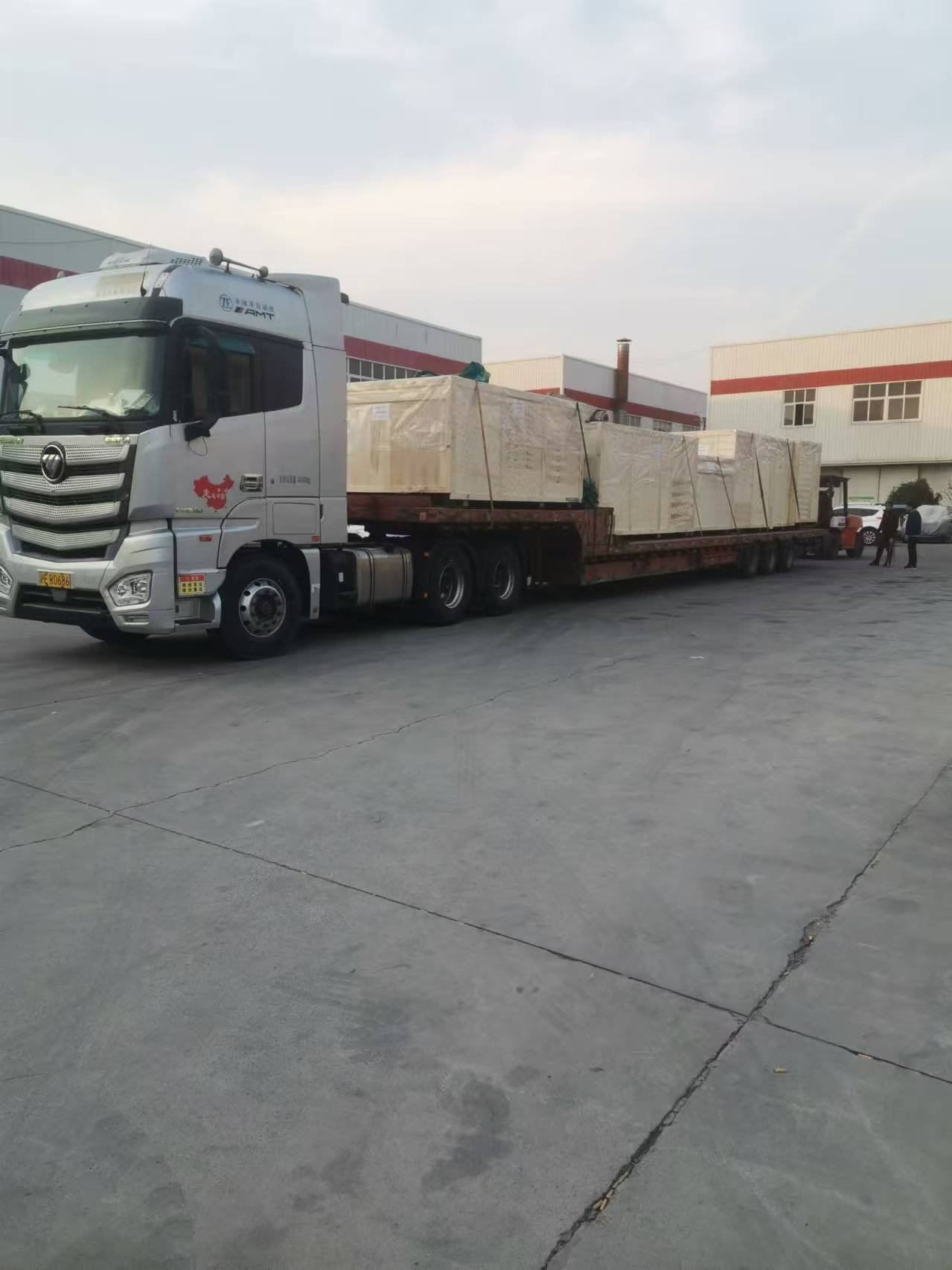
- You discover problems after the balance is paid and the machine is on a ship
Real example: A buyer approved a sample with a Mitsubishi PLC. Skipped FAT. Received a machine with a no-name Chinese PLC. Supplier’s defense? “Same function, lower cost, we’re helping you save money.”
What Happens When You Skip SAT
Scenario: “It passed FAT, so it’s fine.”
What FAT doesn’t test:
- How your specific raw materials behave (thickness variations, moisture content)
- Your local environmental conditions (dust, humidity, temperature swings)
- Integration with your other equipment
- Whether your operators can actually run it without the Chinese technician hovering
Real example: A wet wipes machine worked flawlessly in Hangzhou’s climate-controlled factory. In the customer’s facility in coastal Southeast Asia (high humidity), the film feeding system kept slipping. Required custom anti-static rollers—added cost, added delay.
How to Structure FAT and SAT in Your Contract
Payment terms that protect you:
- 30% deposit
- 60% after successful FAT (not before)
- 10% retention released after successful SAT (30-60 days post-installation)
What your FAT clause should specify:
- Minimum run time (e.g., 4 hours continuous operation)
- Acceptance criteria (speed, output quality, reject rate)
- Who pays if the machine fails FAT (supplier covers re-test)
- Your right to have a representative present (or use a third-party inspector)
What your SAT clause should specify:
- Timeline (e.g., within 30 days of installation)
- Acceptable performance parameters in YOUR conditions
- What happens if SAT fails (supplier’s responsibility to fix, timeline, who pays)
- Retention release only after SAT sign-off When Suppliers Push Back
“We’ve sold 100 machines, nobody does SAT.”
Response: “Great, then you’re confident it’ll pass. Let’s put it in the contract.”
“FAT costs extra.”
Response: “No. FAT is part of your quality process. I’m just asking to witness it.”
“You don’t trust us?”
Response: “I trust your engineering. I also trust documented verification. Both matter on a $150K purchase.”
The One Exception: When You Can Skip SAT
If you’re buying a standard, proven machine (not customized), and the supplier has multiple installations in similar conditions, AND you have a strong warranty with on-site service, you might negotiate SAT out in exchange for a faster payment schedule.
But never skip FAT. Ever.
How We Help Buyers Navigate FAT and SAT
At Zhenbao Trading, factory acceptance testing isn’t optional—it’s built into every machinery deal we handle. We attend FAT on your behalf, document every test run, and flag issues before your balance payment goes through.
For SAT, we provide installation supervision and ensure the contract clearly defines what “acceptance” means in your facility, not just the supplier’s.
Questions about structuring your next machinery purchase?
Email me at sales@zhenbaotrading.com — I’ll walk you through what to specify in your FAT/SAT terms before you sign.