Buying a new production line—whether for wet wipes, food packaging, or hygiene products—is a significant capital investment. Before you wire a deposit to a machinery supplier, you need a clear answer to one question: How long will it take to earn this money back?
After 15 years helping buyers evaluate and source production equipment, I’ve seen projects that paid for themselves in 18 months—and others that never broke even. The difference? A realistic ROI calculation done upfront.
Here’s how to calculate return on investment on a new production line, step by step.
What Is ROI and Why It Matters
ROI (Return on Investment) measures the profitability of an investment relative to its cost.
Formula:
ROI (%) = [(Net Profit from Investment) / (Total Investment Cost)] × 100
Payback Period is closely related—it tells you how many months or years it takes to recover your initial investment through profits generated by the new production line.
A strong ROI calculation helps you:
✓ Justify the investment to stakeholders or lenders
✓ Compare different machinery options (buy new vs used, Manual vs automatic)
✓ Set realistic production and sales targets
✓ Avoid overpaying for equipment that won’t deliver returns
Step 1: Calculate Total Investment Cost
Don’t just count the machine’s FOB price. Your total investment includes:
Equipment Costs
- Machine purchase price (FOB, CIF, or DDP—clarify with your supplier)
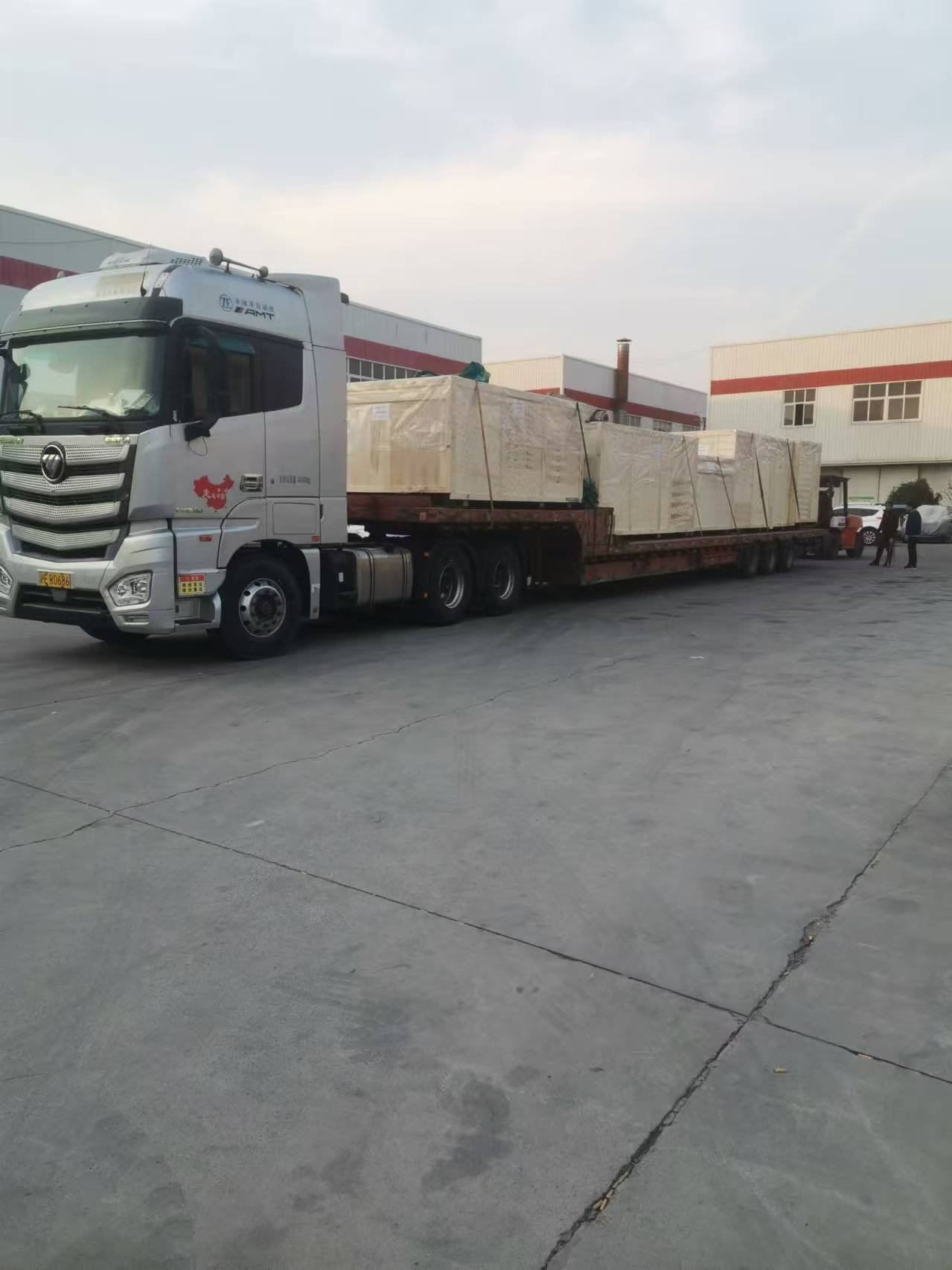
- Shipping and customs clearance
- Installation and commissioning (if not included in the supplier’s quote)
- Spare parts starter kit (critical—don’t skip this) Infrastructure Costs
- Facility modifications (electrical upgrades, compressed air systems, water supply)
- Safety and compliance (guards, emergency stops, CE/local certifications if not included) Initial Operating Costs
- Raw materials for trial production (non-woven fabric, liquid solution, packaging film)
- Operator training (travel, accommodation if trainers come from China)
- First batch of consumables (cutting blades, sealing bands, filters)
Example:
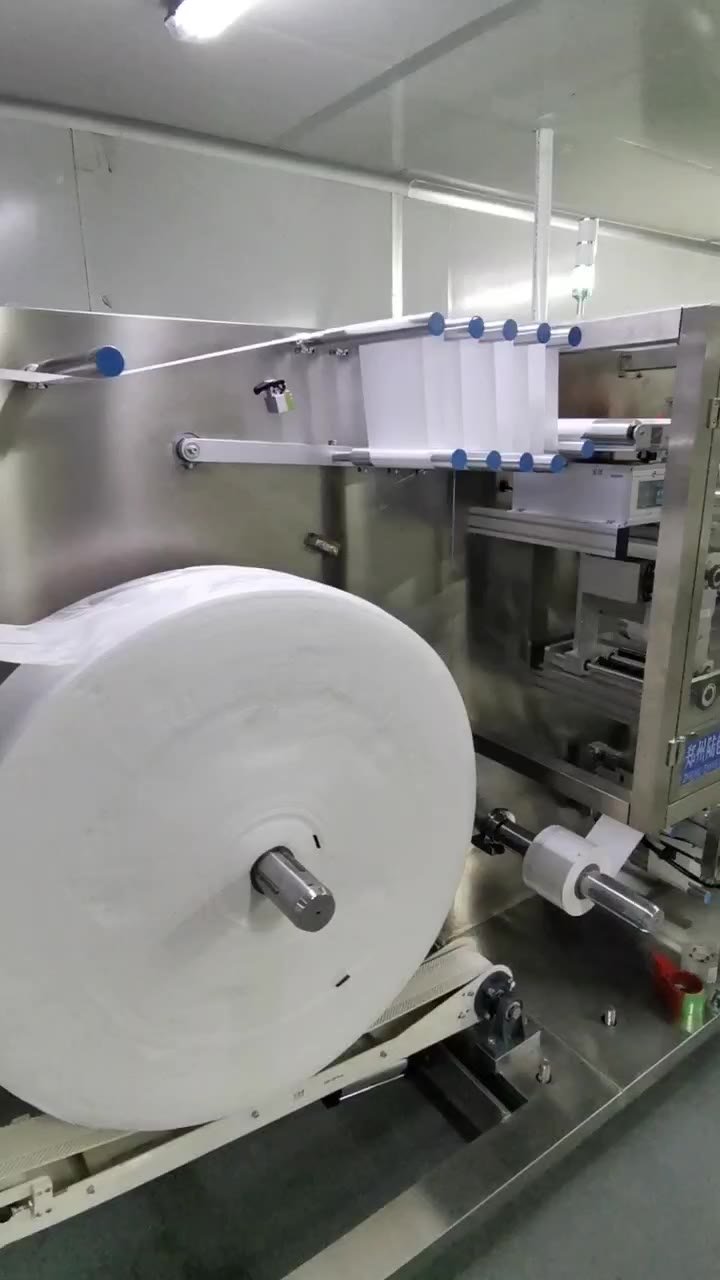
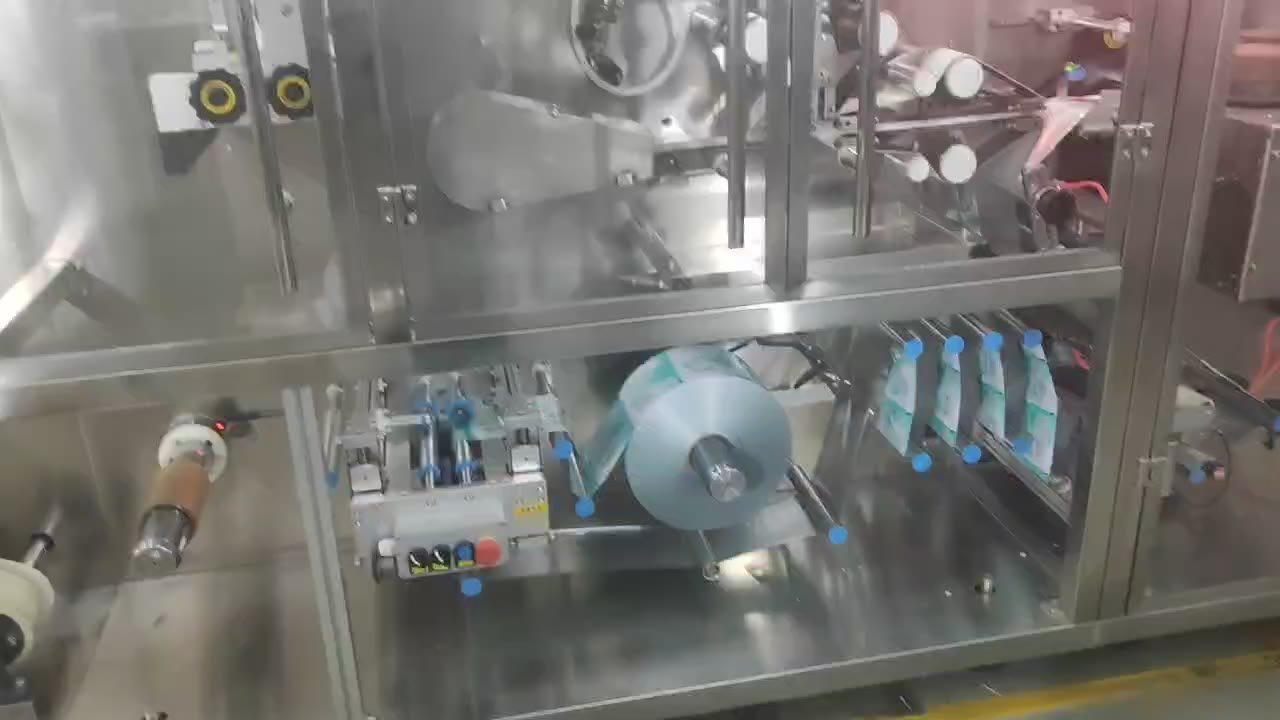
Let’s say you’re buying a wet wipes production line.
| Cost Item | Amount (USD) |
|---|---|
| Machine (CIF price) | $120,000 |
| Installation & training | $8,000 |
| Spare parts kit | $5,000 |
| Facility upgrades (electrical, compressed air) | $7,000 |
| Initial raw materials (trial runs) | $3,000 |
| Total Investment | $143,000 |
Step 2: Estimate Production Capacity and Utilization
Your machine’s rated capacity (packs per minute) is not the same as your actual output.
Rated Capacity
The supplier lists the machine’s maximum speed. For example:
- Wet wipes machine: 100 packs/minute
- Operating 8 hours/day: 100 × 60 min × 8 hr = 48,000 packs/day Realistic Utilization Rate
In practice, you won’t run at 100% capacity due to: - Setup and changeover time (switching pack sizes, refilling materials)
- Maintenance and cleaning
- Operator breaks
- Downtime for minor adjustments
Realistic utilization: 70-85% for experienced operators
Adjusted daily output:
48,000 × 75% = 36,000 packs/day
Annual Production
If you operate 250 days/year (accounting for weekends, holidays, maintenance shutdowns):
36,000 × 250 = 9,000,000 packs/year
Step 3: Calculate Revenue Per Unit
Now determine how much revenue each pack generates.
Selling price per pack depends on your market:
- Wholesale to distributors: $0.50–1.50/pack
- Retail (your own brand): $1.50–3.00/pack
- Private label contract manufacturing: $0.80–1.20/pack
Let’s assume you’re selling wholesale at $1.00/pack.
Annual revenue:
9,000,000 packs × $1.00 = $9,000,000/year
Step 4: Calculate Operating Costs
Revenue alone doesn’t tell you profit. Subtract your operating costs:
Variable Costs (per pack)
- Non-woven fabric: $0.10
- Liquid solution: $0.08
- Packaging film: $0.05
- Label and carton: $0.03
- Electricity and water: $0.02
- Labor (per pack, based on crew size and output): $0.04
Total variable cost per pack: $0.32
Annual variable costs:
9,000,000 × $0.32 = $2,880,000
Fixed Costs (annual)
- Operator salaries (3 shifts, 2 operators per shift): $60,000
- Maintenance and spare parts: $12,000
- Facility rent/utilities (allocated portion): $18,000
- Quality control and testing: $5,000
- Insurance: $3,000
Total fixed costs: $98,000/year
Total operating costs:
$2,880,000 + $98,000 = $2,978,000/year
Step 5: Calculate Net Profit
Annual revenue: $9,000,000
Annual operating costs: $2,978,000
Net profit (before tax): $9,000,000 − $2,978,000 = $6,022,000/year
(This is a simplified calculation—actual profit also accounts for sales/marketing costs, overhead allocation, taxes, and financing costs if you took a loan.)
Step 6: Calculate ROI and Payback Period
ROI (annual)
ROI = (Net Profit / Total Investment) × 100
ROI = ($6,022,000 / $143,000) × 100 = 4,211%
This seems absurdly high—and it is, because this is a per-year ROI based on full capacity sales. In reality, you’ll ramp up gradually.
A more conservative approach: assume you reach 50% capacity in Year 1, 75% in Year 2, and 90% in Year 3.
Year 1 net profit (50% capacity):
$6,022,000 × 50% = $3,011,000
ROI Year 1:
($3,011,000 / $143,000) × 100 = 2,106% (still very high for a well-utilized line)
Payback Period
Payback Period = Total Investment / Annual Net Profit
Using Year 1 profit:
$143,000 / $3,011,000 = 0.047 years = ~0.6 months
Again, this assumes immediate full ramp-up. More realistically:
Conservative payback period (accounting for ramp-up):
- Year 1: $3,011,000 profit
- Cumulative profit exceeds $143,000 investment → Payback in under 2 months
Even with a 25% utilization rate in Year 1, payback would occur within 6 months.
This is why production machinery can be such a strong investment when you have confirmed demand.
Step 7: Sensitivity Analysis (What If Things Change?)
Your ROI calculation is only as good as your assumptions. Run sensitivity tests:
What if selling price drops by 20%?
New price: $0.80/pack
Annual revenue: $7,200,000
Net profit: $4,222,000
Payback period: Still under 3 months at 50% capacity
What if raw material costs increase by 15%?
New variable cost per pack: $0.37
Net profit: $5,572,000
Payback period: Still under 3 months
What if you only achieve 50% utilization all year?
Annual output: 4,500,000 packs
Revenue: $4,500,000
Variable costs: $1,440,000
Fixed costs: $98,000
Net profit: $2,962,000
Payback period: ~1.7 months
Even under conservative scenarios, a well-utilized production line pays for itself quickly—if you have consistent demand.
Common Mistakes When Calculating ROI
❌ Using the machine’s rated capacity as your sales forecast
Reality: You won’t sell 48,000 packs/day from day one. Factor in ramp-up time.
❌ Ignoring hidden costs
Installation, training, spare parts, and facility upgrades can add 20-30% to the machine’s purchase price.
❌ Underestimating raw material and labor costs
Get real quotes from suppliers. Don’t guess.
❌ Forgetting to account for downtime
Machines need maintenance. Operators need breaks. Plan for 70-85% effective utilization, not 100%.
❌ Skipping sensitivity analysis
What if demand is lower than expected? What if a competitor undercuts your price? Stress-test your ROI model.
When Does a Production Line Investment Make Sense?
A new production line is a smart investment when:
✓ You have confirmed demand (existing contracts, distributor commitments, or proven retail channels)
✓ Your payback period is under 24 months (ideally under 18 months)
✓ You’ve validated the market (don’t buy equipment before you know customers will buy your product)
✓ You have working capital to cover 3-6 months of operating costs while ramping up
Don’t buy machinery hoping demand will appear. Secure customers first, then invest in capacity.
Final Thoughts
ROI calculations aren’t just a formality—they’re a reality check. If your projections show a 5-year payback period, you’re either overestimating costs, underestimating revenue, or buying the wrong equipment.
A well-chosen production line, matched to real market demand, should pay for itself in 12-24 months. If your numbers don’t show that, revisit your assumptions before signing a purchase order.
Need help validating your production line ROI—or sourcing equipment that matches your capacity and budget?
We’ve been helping buyers make data-backed machinery decisions since 2011.
📩 Get in touch: sales@zhenbaotrading.com