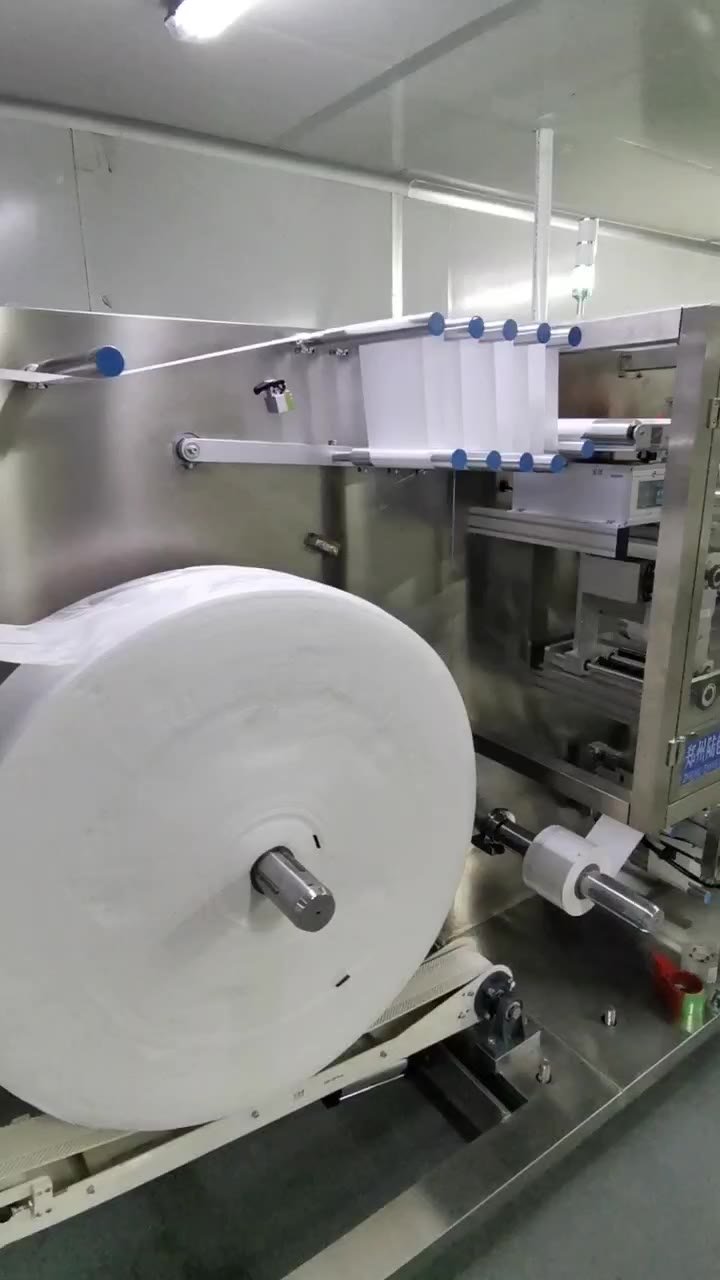
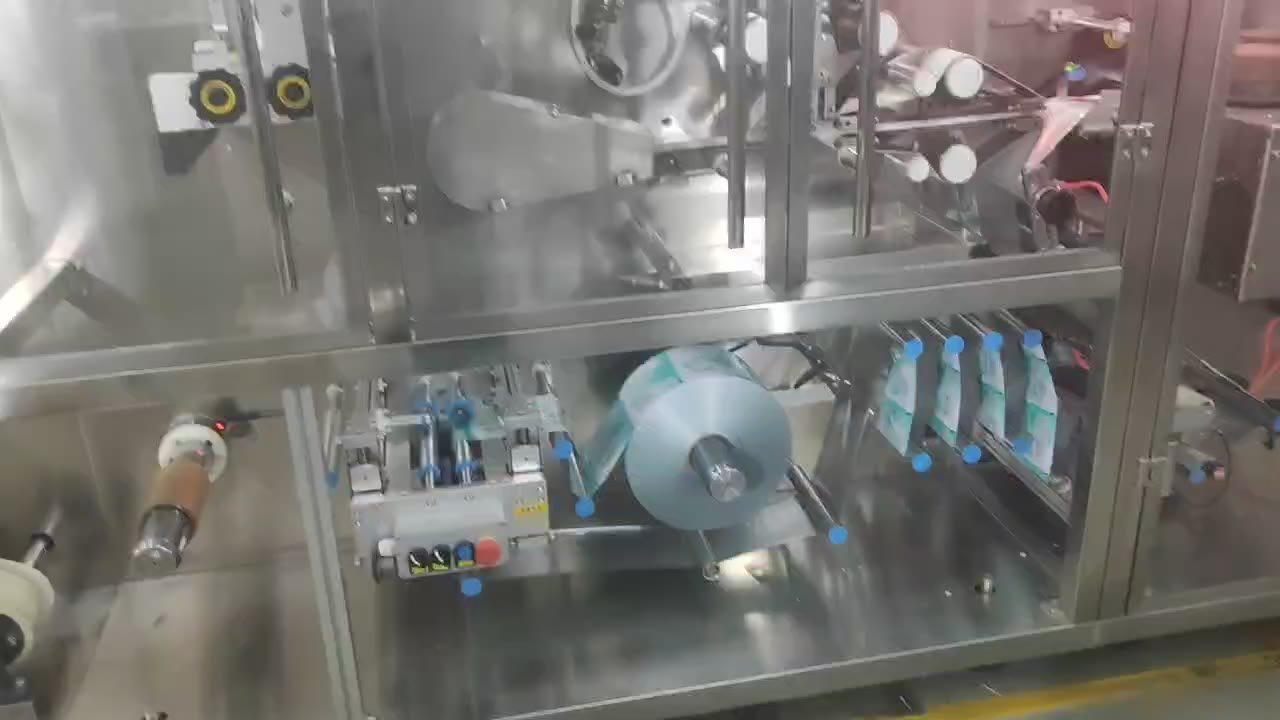
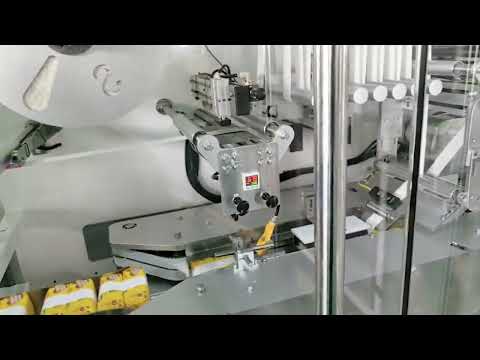
Choosing the wrong production capacity is one of the costliest mistakes wet wipes manufacturers make. Order a machine that’s too small, and you’ll hit bottlenecks within months. Go too large, and you’ll pay for idle capacity you don’t need.
After 15 years working with wet wipes producers across 37 countries, I’ve seen this decision made well—and poorly. Here’s how to get it right.
Understanding Machine Capacity: What the Numbers Really Mean
When a supplier tells you a machine runs at “100 packs per minute,” what does that actually translate to in your business?
Let’s break it down with real examples:
Super Mini Machine (80-120 ppm)
- Daily output: 38,400 – 57,600 packs (8-hour shift)
- Monthly output: ~1.15 – 1.73 million packs (30 days, 8 hours/day)
- Best for: Startups, test markets, niche products
Mid-Range Machine (200-300 ppm)
- Daily output: 96,000 – 144,000 packs
- Monthly output: ~2.88 – 4.32 million packs
- Best for: Growing businesses, regional distribution
High-Speed Line (500+ ppm)
- Daily output: 240,000+ packs
- Monthly output: 7.2+ million packs
- Best for: Established brands, export-focused operations Three Questions to Answer Before You Choose
- What’s your realistic sales projection for the next 18 months?
Don’t just think about current orders. Factor in:
- Seasonal peaks (wet wipes see 40-60% higher demand in summer in many markets)
- New distribution channels you’re opening
- Retailer requirements (many require guaranteed supply levels)
A client in Vietnam ordered a 100 ppm machine based on current sales. Within 6 months, they landed a supermarket chain contract and had to run double shifts just to keep up. They ended up buying a second machine—paying twice for installation, training, and factory space.
- What’s your available production time?
Be honest about:
- How many shifts can you actually staff?
- Maintenance downtime (plan for 5-10% downtime)
- Changeover time between products
- Public holidays in your country
A 200 ppm machine running 16 hours/day produces more than a 300 ppm machine running 8 hours/day. Sometimes the bottleneck isn’t the machine—it’s your labor availability.
- What’s your product mix?
Different wet wipes formats require different speeds:
- Single-use sachets run faster than canister wipes
- Specialty products (makeup remover, sanitizing wipes) often need slower speeds for quality
- Frequent product changeovers reduce effective capacity The 60-70% Utilization Sweet Spot
Here’s a rule I share with every client: aim to run at 60-70% of your machine’s maximum capacity during normal operations.
Why not 100%?
- Room for growth: You can scale up without immediately buying new equipment
- Quality buffer: Running at max speed for months leads to more maintenance issues and quality problems
- Flexibility: You can handle rush orders or seasonal peaks without scrambling
If you’re consistently running above 80% capacity for more than 3 months, it’s time to think about expansion.
Cost Analysis: Don’t Just Look at the Machine Price
The machine price is only part of your investment:
Super Mini Line (~$35,000 – $50,000)
- Lower initial investment
- Smaller factory space required (40-50 sqm)
- 1-2 operators needed
- Lower maintenance costs
- Best ROI for: Orders under 1 million packs/month
Mid-Range Line (~$80,000 – $150,000)
- Higher upfront cost, but lower per-pack production cost
- Requires 80-120 sqm
- 2-3 operators
- More efficient for: 2-5 million packs/month
Calculate your break-even point: At what monthly volume does a larger machine pay for itself through lower per-unit costs? Usually it’s around 18-24 months.
Starting Small vs. Starting Big: Which Strategy Wins?
I’ve seen successful businesses use both approaches. Here’s when each makes sense:
Start with a super mini machine if:
- You’re entering a new market and testing demand
- Your capital is limited (machines under $50K)
- You have multiple product lines to test
- Your sales channels aren’t locked in yet
One of our clients in Mexico started with a super mini, validated their product in local pharmacies, then scaled to a mid-range line 14 months later. Total investment: $130K over time, not $200K upfront.
Start with a mid-range machine if:
- You already have confirmed orders or contracts
- You’re replacing manual/semi-auto production (you know the demand)
- You have distribution agreements requiring minimum volumes
- Your market grows fast and scaling takes 6+ months in your country Red Flags: When Capacity Doesn’t Match Your Reality
Watch out for these mismatches:
- Your projected demand requires 24/7 operation: You’re undersized. Equipment needs maintenance windows.
- Your machine sits idle more than 40% of the time: You’re oversized or your sales forecast was wrong.
- You’re planning “we’ll grow into it”: Growth is good, but a machine sitting idle for a year costs you loan interest and opportunity cost. Technical Factors That Affect Real-World Capacity
Supplier spec sheets show maximum speed. Your actual output depends on:
Control system quality: Machines with Mitsubishi or Siemens PLCs handle speed variations better and have less downtime than generic controllers.
Material compatibility: If you’re running thick fabric wipes, you might only achieve 70-80% of rated speed.
Packaging format: Flow-wrap packaging runs faster than canister filling.
Operator skill level: New operators need 2-4 weeks to reach optimal speed.
How to Future-Proof Your Decision
Buy a machine that can scale with you:
- Modular designs: Can you add stations later?
- Automation upgrades: Can you add automatic feeders, counters, or cartoning later?
- Control system: Does the PLC allow speed increases or new recipes without hardware changes?
Some manufacturers sell “expandable” lines where you start with core equipment and add modules as you grow. This can be smarter than replacing everything in 2 years.
Our Recommendation Framework
For startup producers (0-500K packs/month target):
→ Super mini line (80-120 ppm) + plan for second machine in 12-18 months
For growing producers (500K-3M packs/month target):
→ Mid-range line (200-300 ppm) with automation options
For established producers (3M+ packs/month):
→ High-speed line or multiple mid-range lines (flexibility + redundancy)
The Bottom Line
The right capacity isn’t about the biggest machine you can afford—it’s about matching your realistic production needs with 30-40% headroom for growth.
Before you sign a purchase order, run these numbers with your sales data:
- Current monthly demand + 12-month projection
- Realistic daily operating hours
- Break-even calculation comparing two capacity levels
If you’re evaluating wet wipes machinery for Southeast Asia, Middle East, or Latin American markets, we can help you run these numbers based on your specific situation.