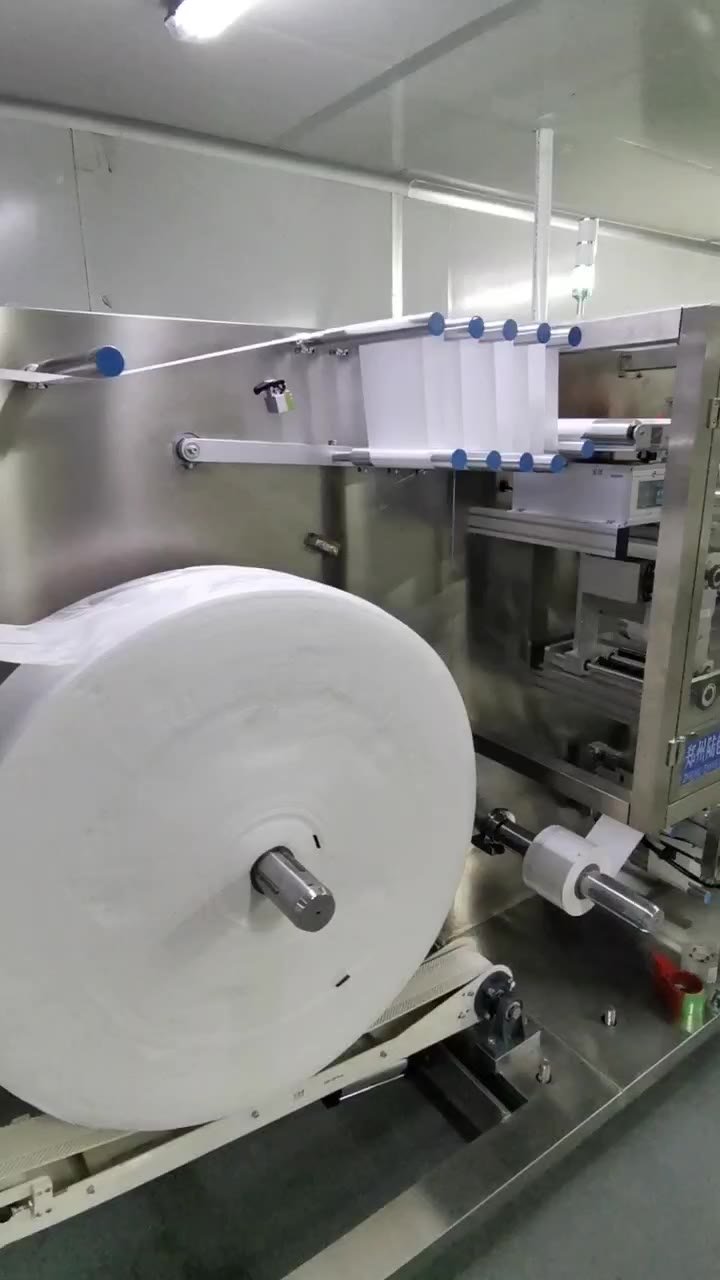
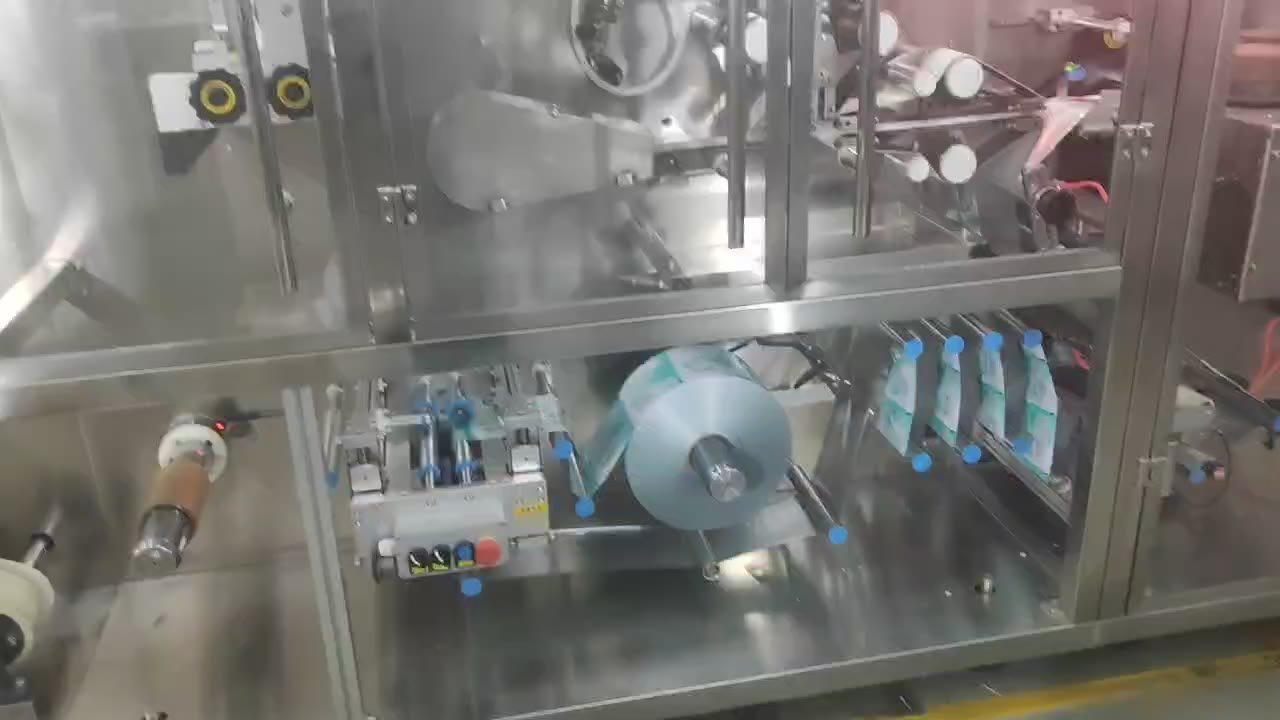
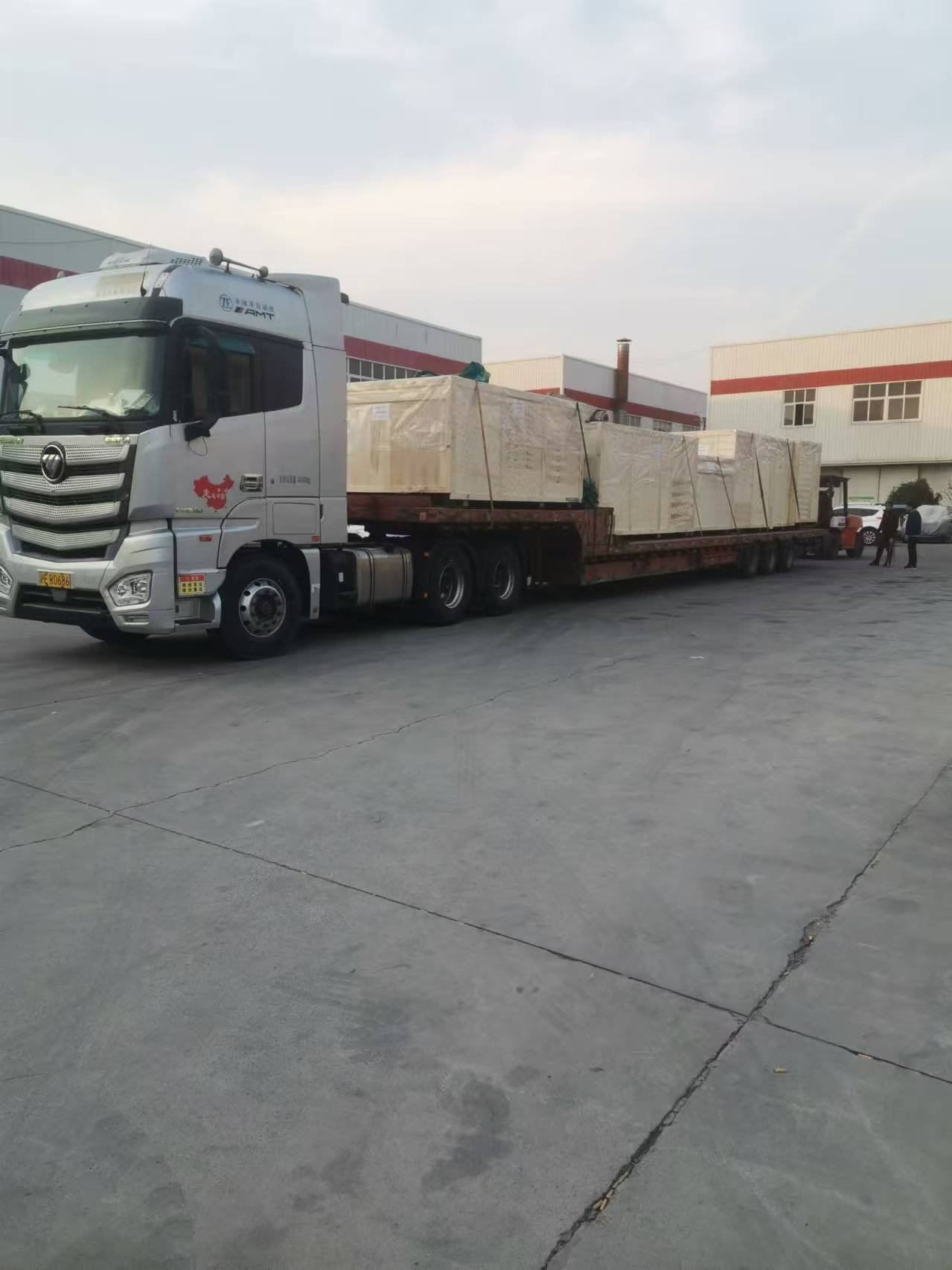
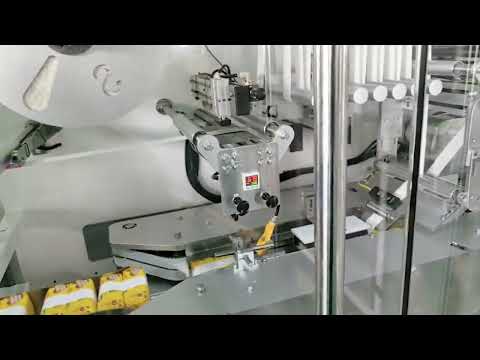
How to Choose the Right Wet Wipes Production Line for Your Budget: A Practical Buyer’s Guide

Buying a wet wipes production line is a major investment, and one of the first questions I hear from buyers is: “Which machine fits my budget?”

The answer depends on more than price alone. After working with manufacturers across Southeast Asia, the Middle East, and Latin America, I’ve seen businesses make two common mistakes: overspending on features they don’t need, or buying cheap equipment that can’t keep up when demand grows.

Here’s how to choose the right production line without wasting money—or opportunity.

Start with Your Production Target, Not Your Budget

Before comparing prices, answer this: How many packs per minute do you need to produce?

  • Small-batch or startup: 20–40 packs/min (single-lane machine)
  • Growing brand with steady orders: 60–100 packs/min (dual-lane or mid-speed line)
  • High-volume production or contract manufacturing: 150+ packs/min (fully automated multi-lane system)

If you’re launching a new brand and unsure about demand, start with a single-lane machine. You can always add a second line later. Buying a high-speed system upfront often means you’re paying for capacity you won’t use for years.

What Drives the Price?

Wet wipes production lines range from $30,000 to $200,000+. Here’s what you’re paying for:

  1. Speed and Lane Configuration
  • Single-lane (20–40 ppm): $30,000–$60,000
  • Dual-lane (60–100 ppm): $70,000–$120,000
  • Multi-lane high-speed (150+ ppm): $150,000–$250,000
  1. Automation Level
  • Semi-auto (manual loading, auto folding/cutting): Lower cost, requires 2–3 operators
  • Fully automated (auto feeding, cutting, stacking, packaging): Higher cost, lower labor, consistent quality
  1. Liquid Dosing System
  • Gravity-fed dosing: Basic, lower cost, less precise
  • Servo-controlled pump dosing: Higher cost, accurate liquid saturation, less waste
  1. Packaging Integration
  • Standalone wet wipes folder/cutter: You handle packaging separately
  • Integrated flow-wrapping or lid-sealing: One-pass production, faster but more expensive
  1. After-Sales Support
    Machines from established suppliers cost 10–20% more, but include installation, training, spare parts support, and English-language manuals. Budget suppliers may offer lower prices but limited support—which can cost you more in downtime. How to Avoid Overbuying (or Underbuying)

Don’t overbuy if:

  • You’re just entering the market and testing demand
  • Your current orders don’t justify high-speed capacity
  • You’re producing specialty or small-batch products

Don’t underbuy if:

  • You already have confirmed large orders or contracts
  • You’re competing in a price-sensitive market where cost-per-unit matters
  • Your product requires high consistency (medical wipes, baby wipes)

A common middle-ground choice: a dual-lane machine with modular upgrades. You start with one lane active, then unlock the second lane when order volume justifies it.

Real Example: Matching Budget to Business Model

A client in Indonesia launched a private-label wet wipes brand targeting local pharmacies. They started with a $45,000 single-lane machine producing 30 ppm. Within 18 months, demand grew and they added a second machine instead of replacing the first one.

Total investment: $90,000 over two years, with production running continuously and no bottleneck during the growth phase.

Compare that to another client who bought a $180,000 high-speed line upfront. Great machine—but it ran at 30% capacity for the first two years because their orders didn’t justify full-speed production. They tied up capital they could have used for marketing or raw materials.

What to Ask Your Supplier Before You Buy

  1. What’s the actual output speed with my product specs (sheet size, liquid ratio, packaging style)?
  2. What’s included in the price? (Installation, training, spare parts, shipping, customs support?)
  3. Can I visit a running production line using this model?
  4. What’s the lead time, and what’s your payment terms?
  5. Do you have local service partners in my country, or is all support remote? Final Thought: Buy for Today, Plan for Tomorrow

The best production line isn’t the fastest or the cheapest—it’s the one that matches your current volume, fits your budget, and can grow with your business.

If you’re evaluating suppliers or comparing quotations and want a second opinion on pricing, specs, or red flags, reach out. We work with wet wipes manufacturers daily and can help you spot whether a deal is solid or too good to be true.

Maggie (岳海敏)
Zhenbao Trading | Machinery Sales & China Sourcing Agent
sales@zhenbaotrading.com
WhatsApp: +852 9702 5284
www.zhenbaotrading.com